
Valley of the Kings and Queens
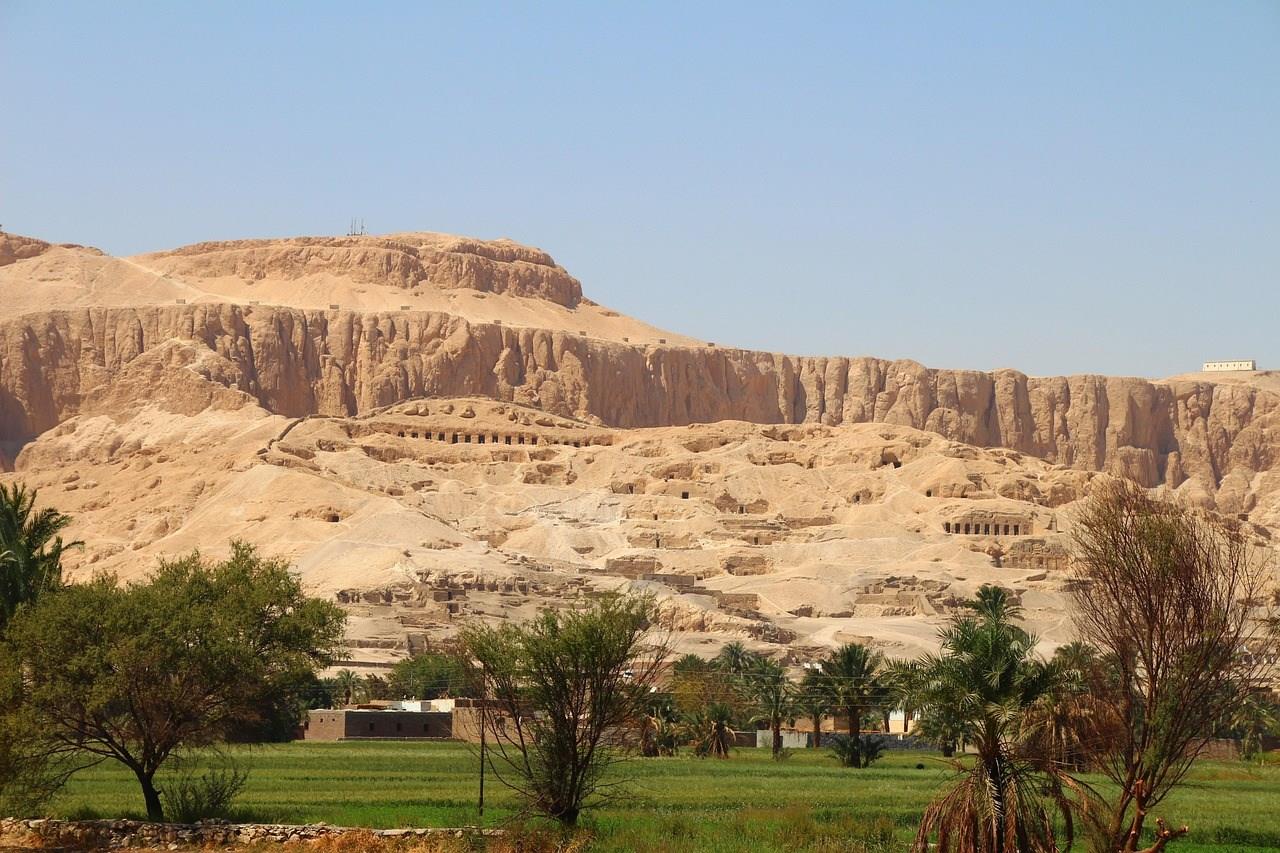
The Valley of the Kings and the Valley of the Queens, located on the west bank of the Nile near Luxor, Egypt, are two of the world’s most significant archaeological sites. For over 500 years during the New Kingdom (16th–11th centuries BCE), these valleys served as the burial grounds for pharaohs, queens, and high-ranking nobles.
Paracas
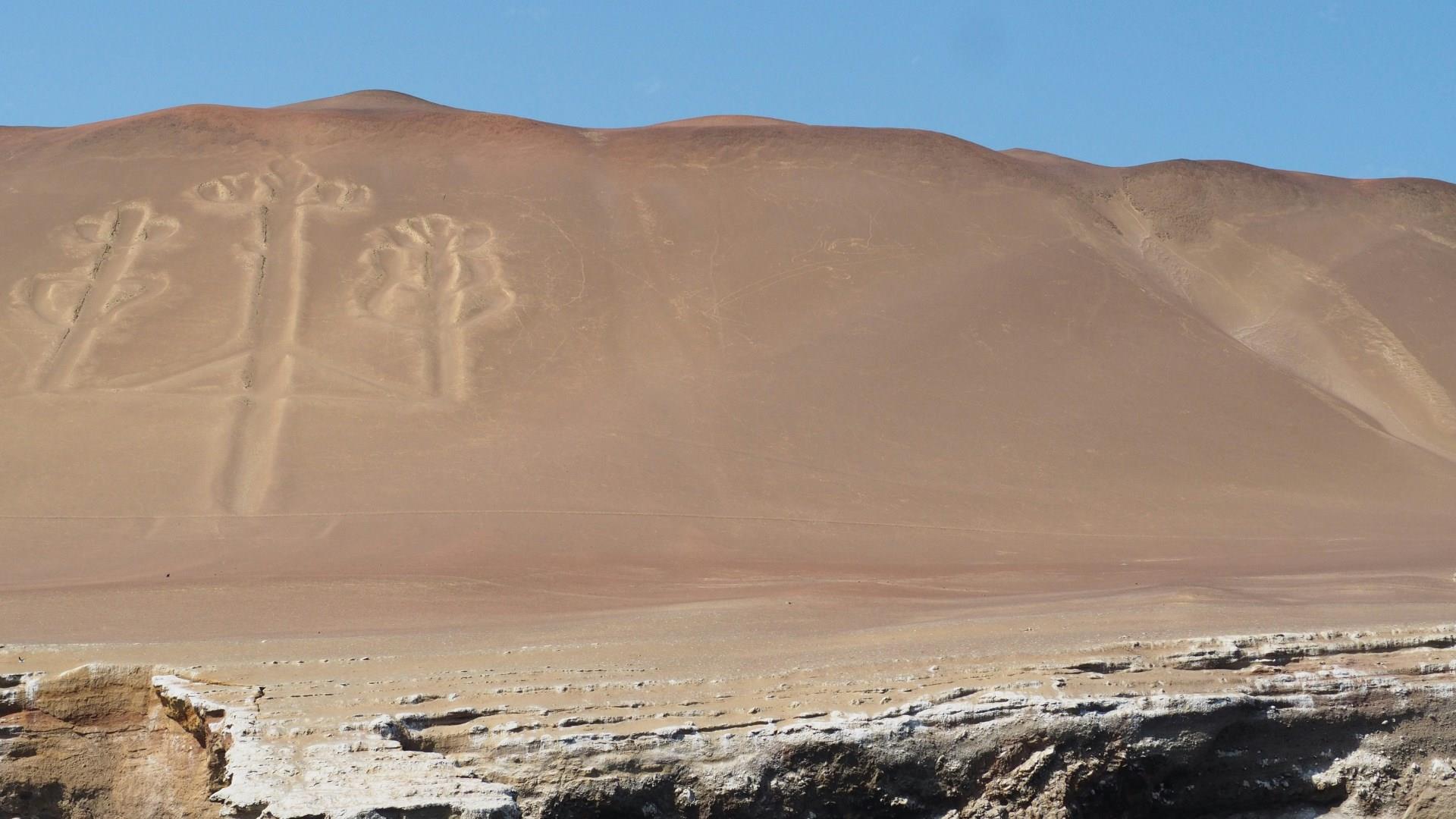
Paracas, a small coastal town in southern Peru, offers a mix of desert landscapes, marine wildlife, and ancient history. Just three hours from Lima, it’s the gateway to the Paracas National Reserve, one of the country’s most important protected areas. This reserve includes both land and sea, making it home to dramatic cliffs, wind-carved rock formations, and waters where dolphins, sea lions, and Humboldt penguins are frequently seen.

Las Vegas
Las Vegas, Nevada, is an electrifying city where glitz and glamour meet entertainment and excitement. Known as "The Entertainment Capital of the World," Las Vegas offers an unparalleled array of attractions, from its iconic casinos and luxurious hotels to its world-class dining and live shows. The city's entertainment scene is second to none, featuring legendary headliners, cutting-edge performances, and an array of themed attractions.

Tajikistan
Tajikistan, a landlocked country in Central Asia, is defined by its dramatic mountain landscapes, including the towering Pamir and Fann ranges. These rugged peaks and deep valleys create a striking backdrop for ancient Silk Road sites and traditional villages, reflecting the country’s historical importance as a crossroads of cultures.
Gotland
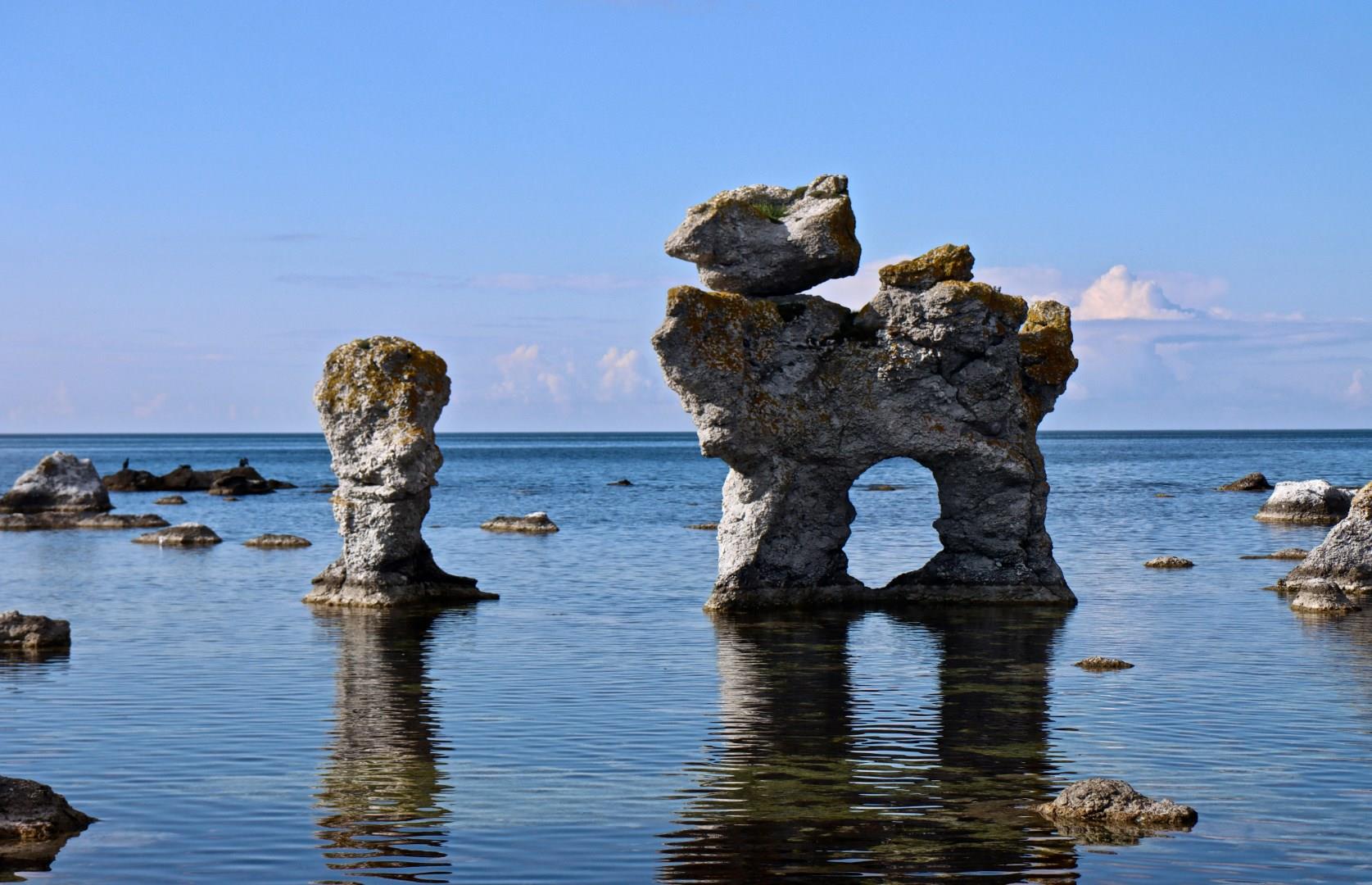
Gotland, Sweden’s largest island, sits in the Baltic Sea and feels like a world of its own. Its main town, Visby, is a UNESCO World Heritage site and one of the best-preserved medieval towns in Northern Europe. Surrounded by a 3.5-kilometer stone wall with original towers still intact, Visby once served as a key Hanseatic trading hub. Visitors can walk along cobbled streets lined with rose-covered cottages, explore Gothic church ruins, and climb up the city wall for views over the harbor.
