

Dominica
Dominica, known as the “Nature Island of the Caribbean,” is a haven for eco-tourists and adventure seekers. Nestled between the French islands of Guadeloupe and Martinique, this lush island boasts a remarkable landscape of volcanic mountains, dense rainforests, and stunning waterfalls. Dominica’s most iconic natural wonder is the Boiling Lake, the second-largest hot spring in the world.
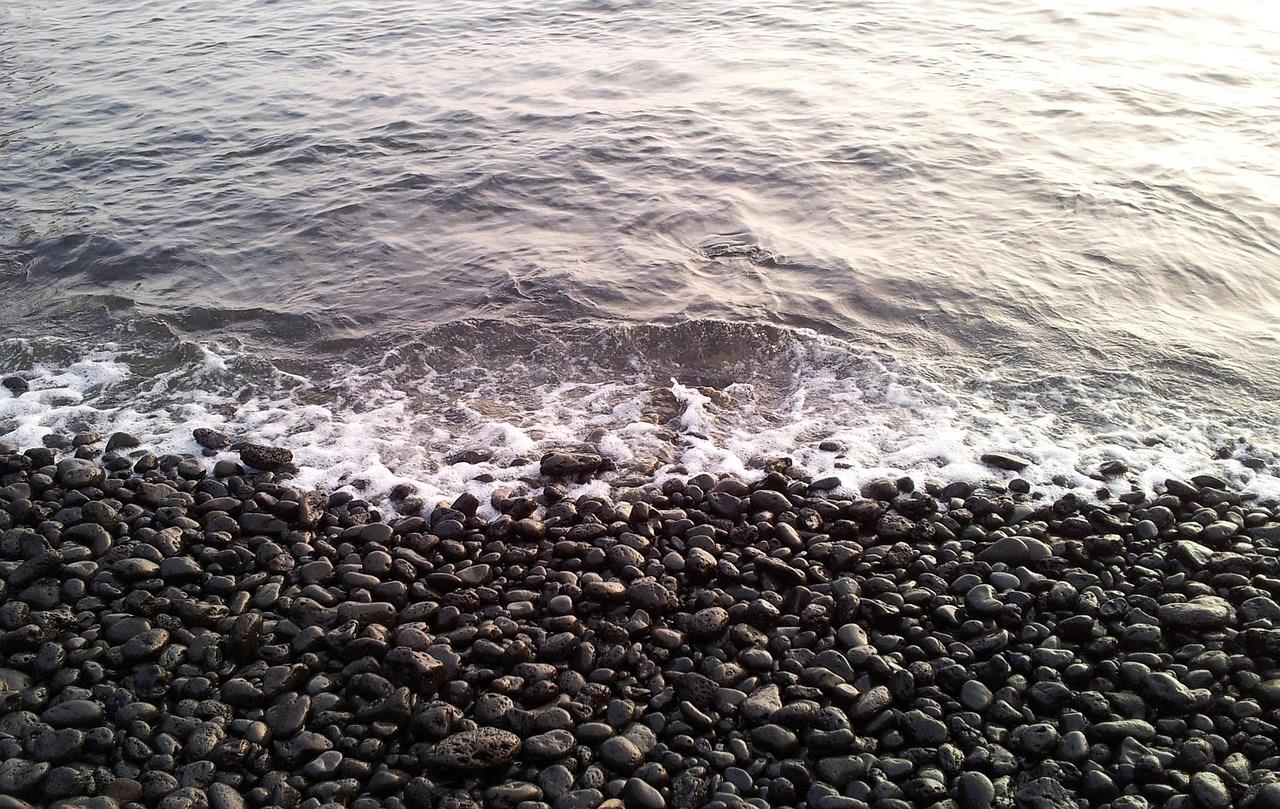
Keauhou, Hawaii
Keauhou, located on the Kona Coast of Hawai‘i Island, is recognized as the birthplace of King Kamehameha III, and many nearby sites still reflect its royal past.
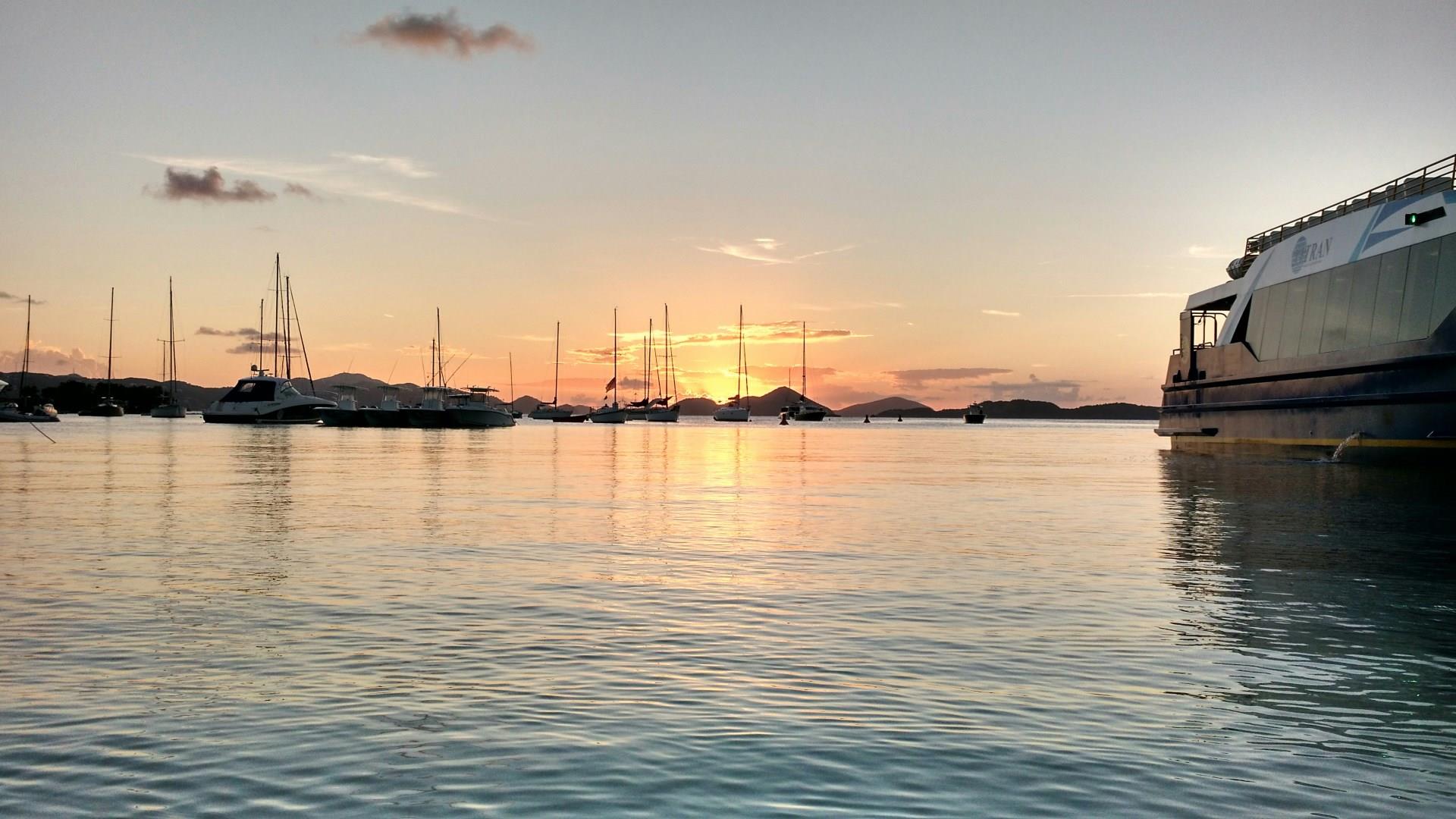
Cruz Bay
Cruz Bay is the welcoming gateway to St. John in the U.S. Virgin Islands, where vibrant Caribbean life meets rich island history. Stepping off the ferry from nearby St. Thomas, visitors find themselves in a lively waterfront town filled with cafés, bars and boutiques that lead toward sandy streets and shimmering views of the bay. This small town is also home to the Cruz Bay Visitor Center, a helpful place to start planning outings into Virgin Islands National Park and to learn about the island.

Manaus
Manaus, capital of Brazil’s Amazonas state, is a city that rises unexpectedly from the rainforest. Once the center of the global rubber boom in the late 1800s, Manaus still holds onto that legacy with surprising elegance. The Teatro Amazonas, an opulent opera house imported piece by piece from Europe, sits at the heart of the city, its pink façade and domed roof tiled in the colors of the Brazilian flag. Today, it hosts concerts, festivals, and curious visitors eager to step back in time.
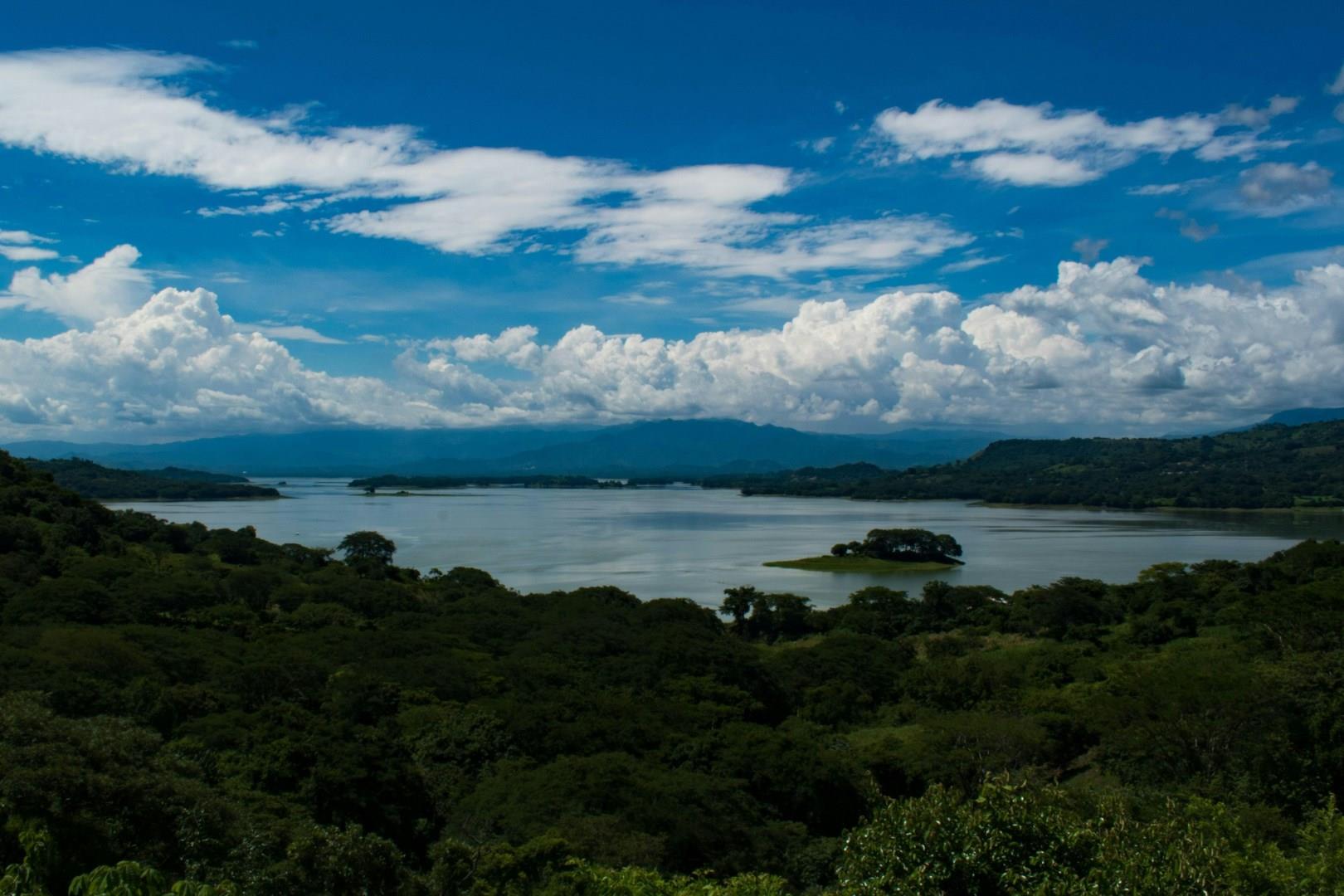
Suchitoto
Suchitoto, located in the Cuscatlán department of El Salvador, is a hilltop town known for its cobblestone streets and scenic views of Lake Suchitlán. Once an important center for indigo production, the town still celebrates its dye-making history through artisan workshops where visitors can learn to create textiles using natural indigo. The name “Suchitoto” comes from the Nahuatl language and means “place of flowers and birds,” a nod to the area’s diverse birdlife and surrounding vegetation.
