

Plitvice Lakes
Plitvice Lakes National Park, a UNESCO World Heritage Site since 1979, is one of Croatia’s most captivating natural wonders. Located in the heart of the country, this mesmerizing park is renowned for its cascading lakes, lush greenery, and a network of waterfalls that create an enchanting landscape. The park’s 16 terraced lakes, connected by a series of waterfalls, range in color from emerald green to sapphire blue due to the unique mineral content and the reflection of sunlight. Visitors can ex

Porto Santo Stefano
Porto Santo Stefano features two main ports which serve as gateways to the nearby Tuscan Archipelago. Visitors can enjoy the crystal-clear waters and pristine beaches, perfect for swimming and snorkeling.
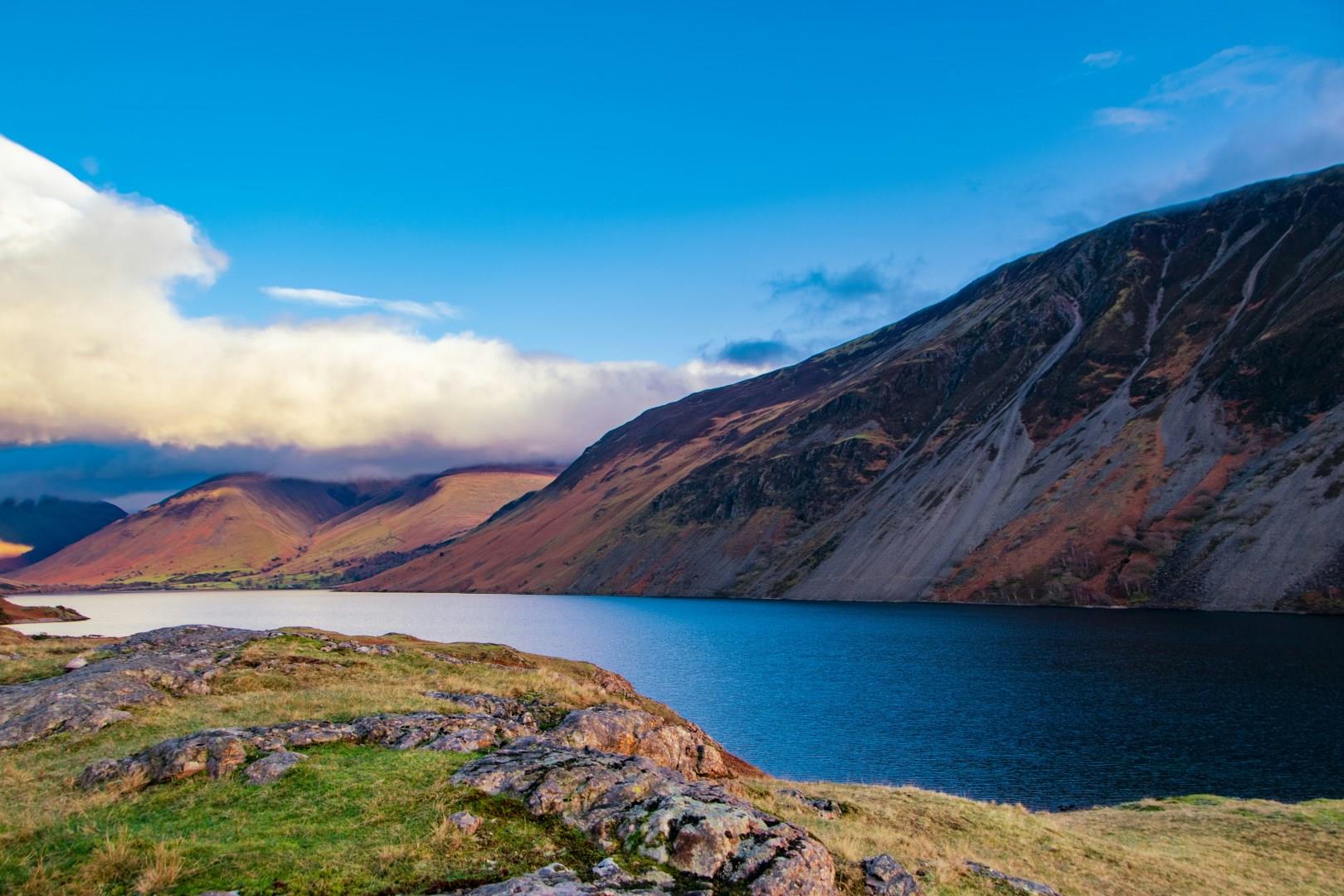
Lake District National Park
Lake District National Park, in northwest England’s Cumbria, is a landscape of lakes, fells, and valleys that has inspired poets, painters, and travelers for centuries. Designated a UNESCO World Heritage Site, the region is famed for its literary connections.
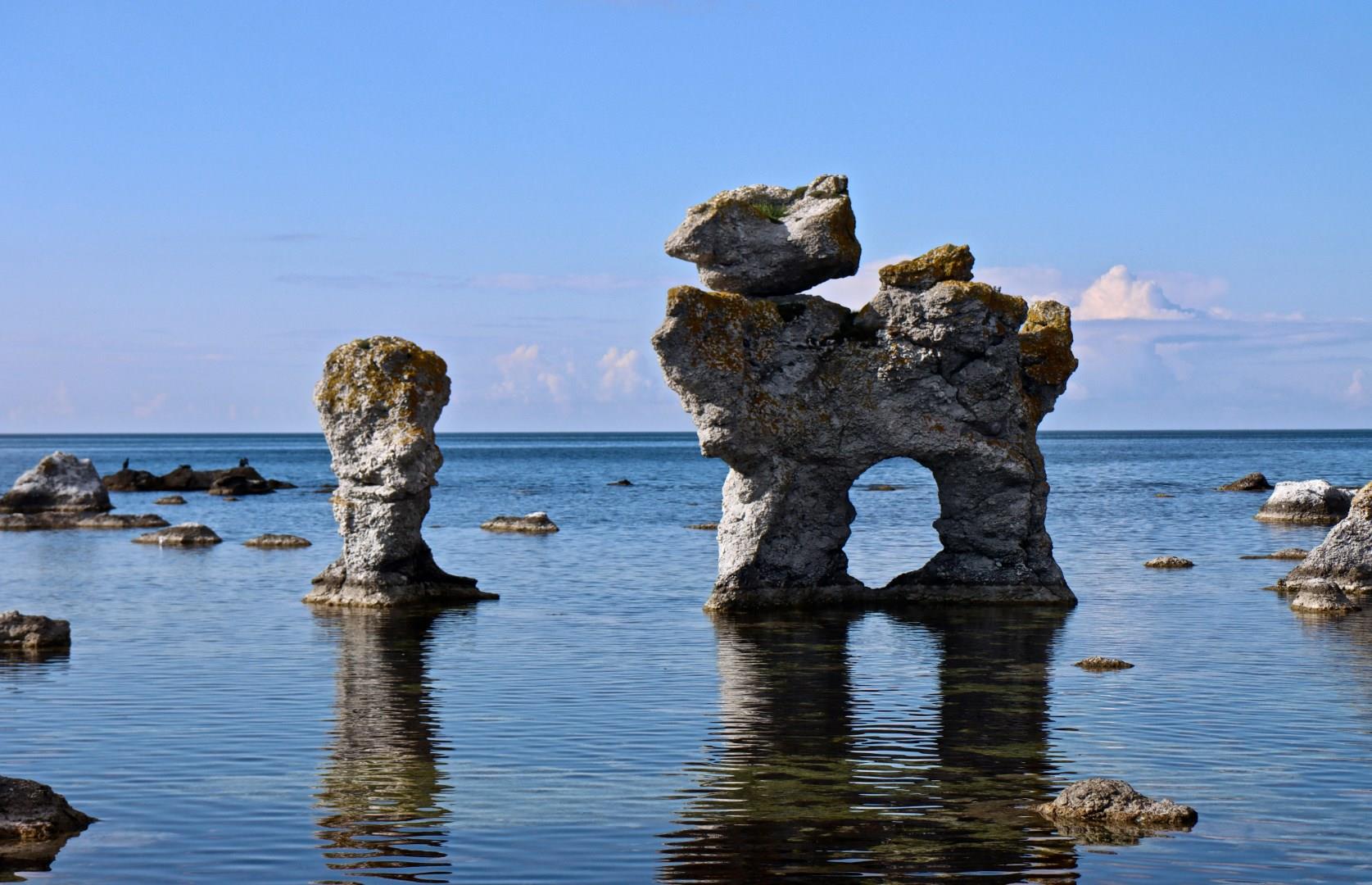
Gotland
Gotland, Sweden’s largest island, sits in the Baltic Sea and feels like a world of its own. Its main town, Visby, is a UNESCO World Heritage site and one of the best-preserved medieval towns in Northern Europe. Surrounded by a 3.5-kilometer stone wall with original towers still intact, Visby once served as a key Hanseatic trading hub. Visitors can walk along cobbled streets lined with rose-covered cottages, explore Gothic church ruins, and climb up the city wall for views over the harbor.

Rhine Valley
The Rhine Valley offers a unique blend of historic landmarks, cultural traditions, and natural splendor. Whether exploring ancient castles, savoring local wines, or simply cruising along the river, visitors will find endless opportunities to create lasting memories in this enchanting region.
