

York
York, England, is a city where over 2,000 years of history comes to life. Originally founded by the Romans in 71 AD as Eboracum, York has witnessed the rise and fall of empires, from the Vikings to the Normans. Today, the city retains its medieval charm, with its historic York Minster, one of the largest Gothic cathedrals in Northern Europe, standing proudly as its centerpiece.

Durham
Seen from the train, Durham presents a magnificent sight, with cathedral and castle perched atop a bluff enclosed by a loop of the River Wera, and linked to the suburbs by a series of sturdy bridges.
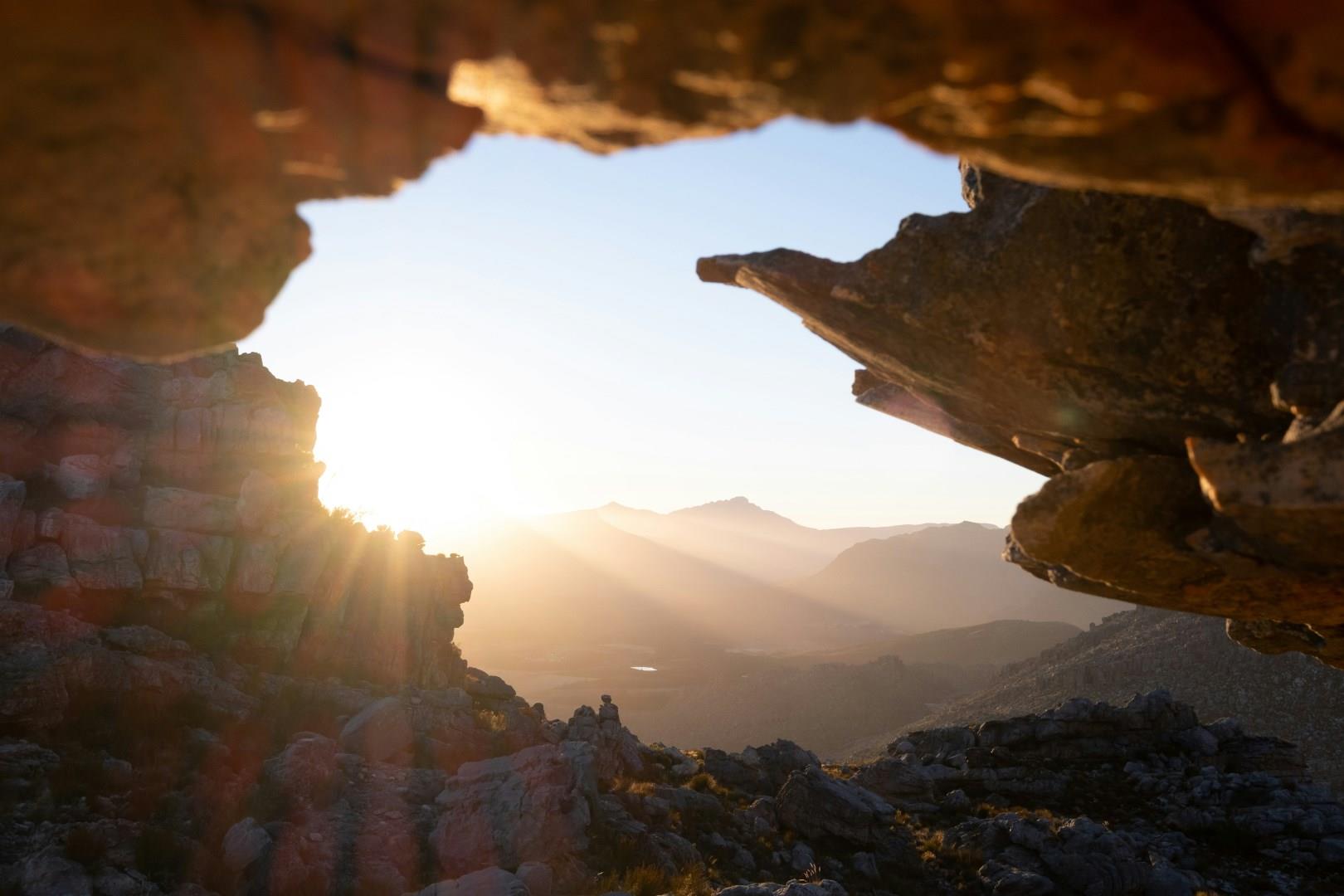
Cederberg
The Cederberg region in the Western Cape of South Africa is a striking land of rocky ridges, wide skies, and quiet valleys. Less than three hours’ drive from Cape Town, the jagged sandstone mountains rise in shapes that seem carved by giants, and shady kloofs hide wonders like ancient rock art that tell stories from thousands of years ago. Hikes to natural landmarks like Wolfberg Arch and the Maltese Cross take visitors deep into terrain shaped by time.

Lake Atitlán
Lake Atitlán, nestled in the Guatemalan Highlands, is a breathtaking destination that offers a unique blend of natural beauty, indigenous culture, and adventure. Formed in a massive volcanic crater, this lake is often touted as the most beautiful in the world, surrounded by dramatic cliffs, verdant hills, and three towering volcanoes: San Pedro, Tolimán, and Atitlán.

Guatemala
Guatemala is a country where ancient history and living tradition meet in unexpected ways. The ruins of Tikal, once a major center of the Maya civilization, rise from the dense Petén jungle. Visitors can climb stone temples that pierce the forest canopy and listen for howler monkeys echoing through the trees. Tikal National Park, a UNESCO World Heritage Site, contains over 3,000 structures and still holds secrets under layers of earth and vegetation.
