

Guernsey
Guernsey, the second-largest of the Channel Islands, blends coastal landscapes with a deep-rooted history shaped by centuries of outside influence. Though located closer to France than to mainland Britain, Guernsey is a British Crown Dependency with its own government and a distinct identity. The capital, St Peter Port, is a hillside town overlooking a natural harbor, where visitors can explore narrow lanes, stone stairways, and 18th-century buildings.

Willemstad
Willemstad, the capital of Curaçao, is unlike any other city in the Caribbean. With its pastel-colored buildings lining the waterfront and a layout shaped by Dutch colonial planning, the city blends European design with Caribbean culture. Its historic center, divided by Sint Anna Bay into Punda and Otrobanda, has been recognized as a UNESCO World Heritage Site.

Barranquilla
Barranquilla sits near the mouth of the Magdalena River on Columbia's Caribbean side. It is a major seaport and a center of commerce, but everyone breaks loose for four days in February for one of the liveliest carnivals outside of Rio.
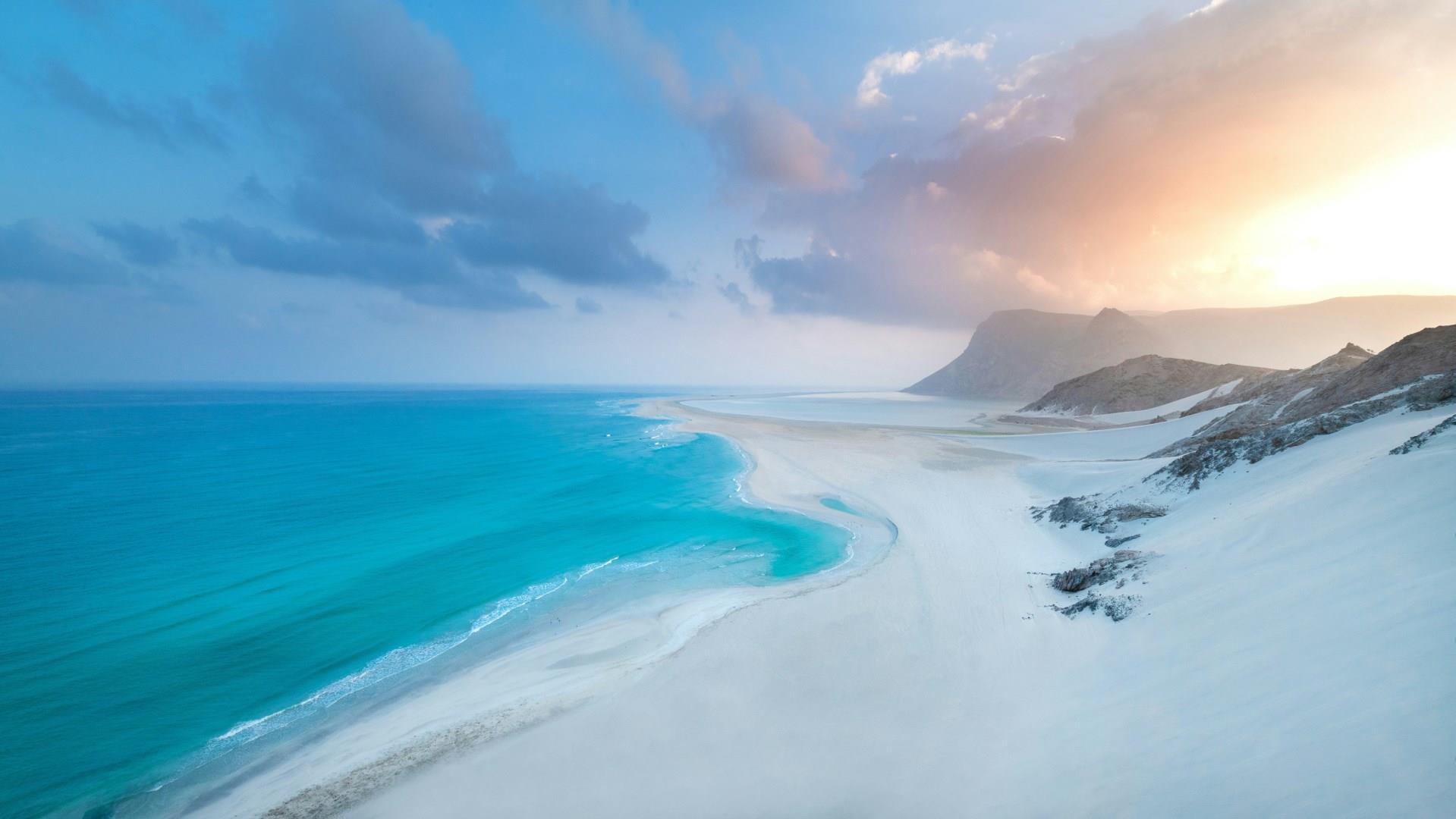
Socotra
Socotra rises from the Arabian Sea like a world apart, its landscapes shaped over millennia. The Dragon’s Blood Trees, with their umbrella-shaped crowns and deep red sap, stand among the most iconic sights here. In places like Dixam Plateau and Homhil Forest, these trees gather in sparse formations, creating scenes that feel both ancient and alien. The resin remains valued for traditional dyes and remedies.

Colombo
Colombo, the commercial capital of Sri Lanka, is a vibrant city where colonial architecture meets modern skyscrapers. Visitors can explore historic sites such as the Gangaramaya Temple, the Dutch Hospital, and the Colombo National Museum, which reflect the city’s rich cultural heritage and diverse history.
