
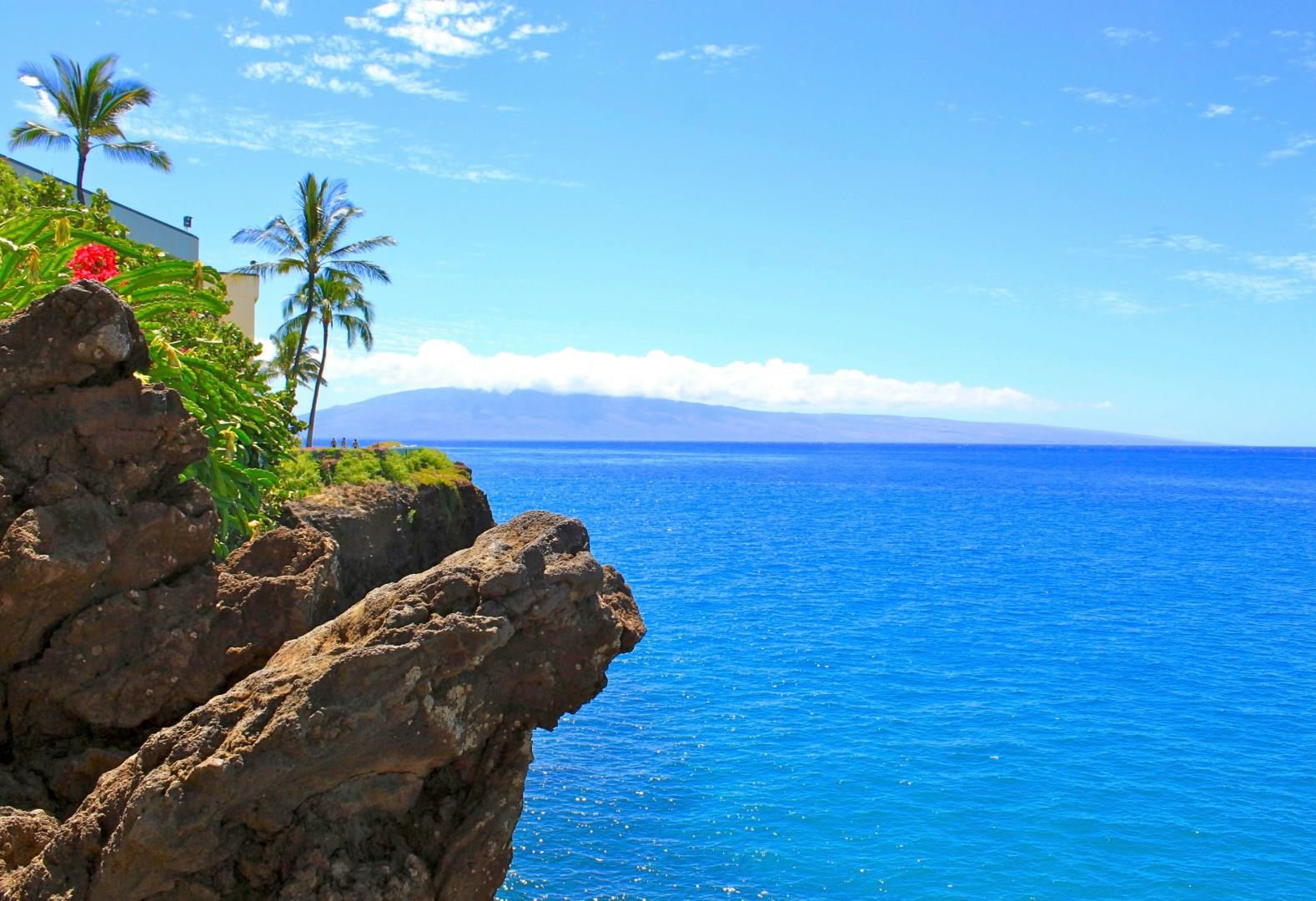
Kaanapali, Maui
In ancient times, Kaanapali was a royal retreat for the rulers of Maui, who delighted in the perfect three-mile stretch of white sand beach, the gentle waves, warm sunny days and the majestic West Maui Mountains. Maui royalty surfed, raced their outrigger canoes, feasted at luaus that lasted for weeks, and where the Kaanapali Golf Course now blankets the land, they played ulu maika, a form of lawn bowling with heavy lava balls.
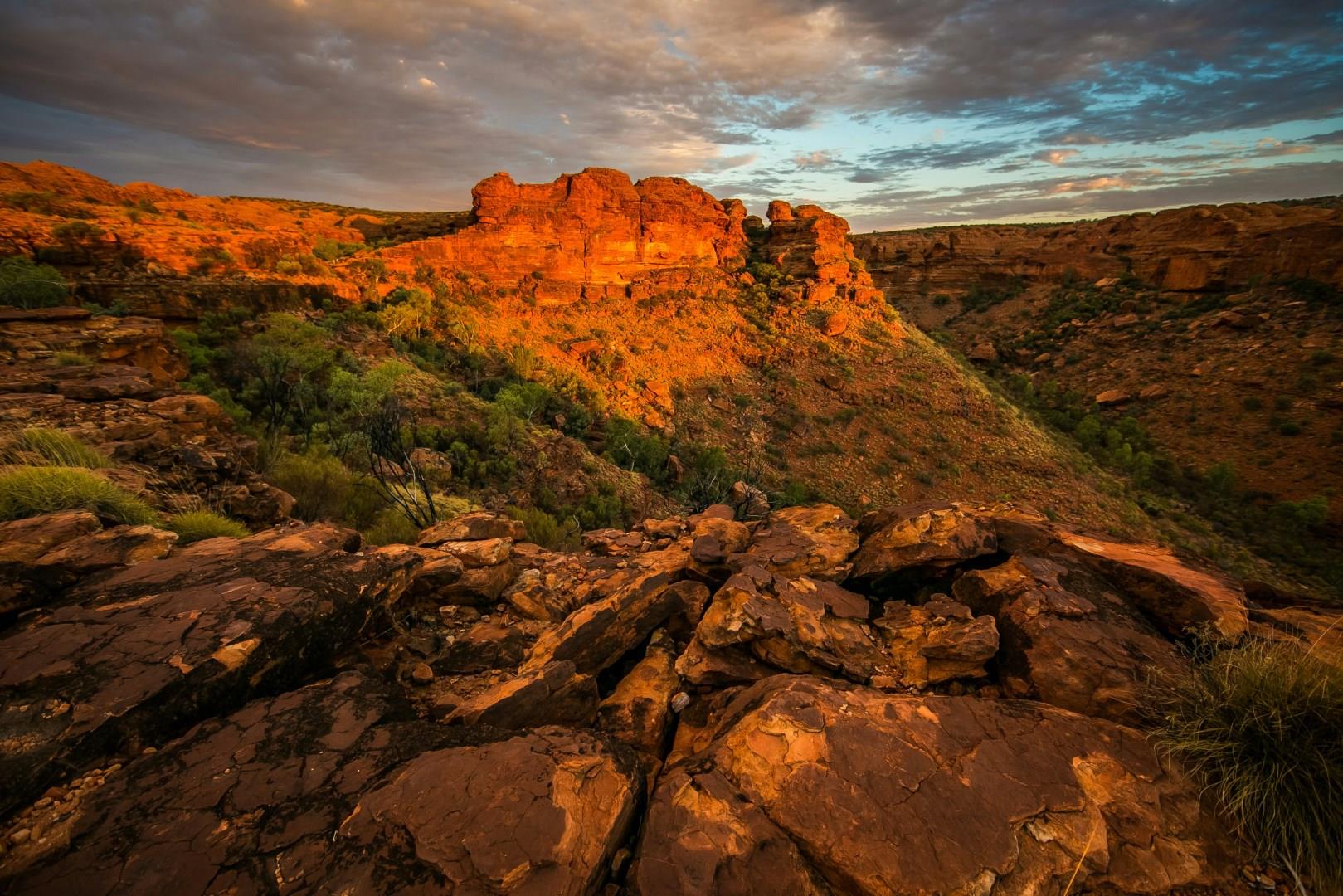
Kings Canyon
Kings Canyon, located in Australia’s Northern Territory within Watarrka National Park, is one of the Red Centre’s most striking natural landmarks. Carved over millions of years, the canyon holds deep cultural significance for the Anangu people, particularly the Luritja, for whom the area remains a sacred landscape tied to creation stories, ceremony, and traditional knowledge.

Ghana
Ghana, located along West Africa’s Gulf of Guinea, offers a rich blend of cultural heritage and history.
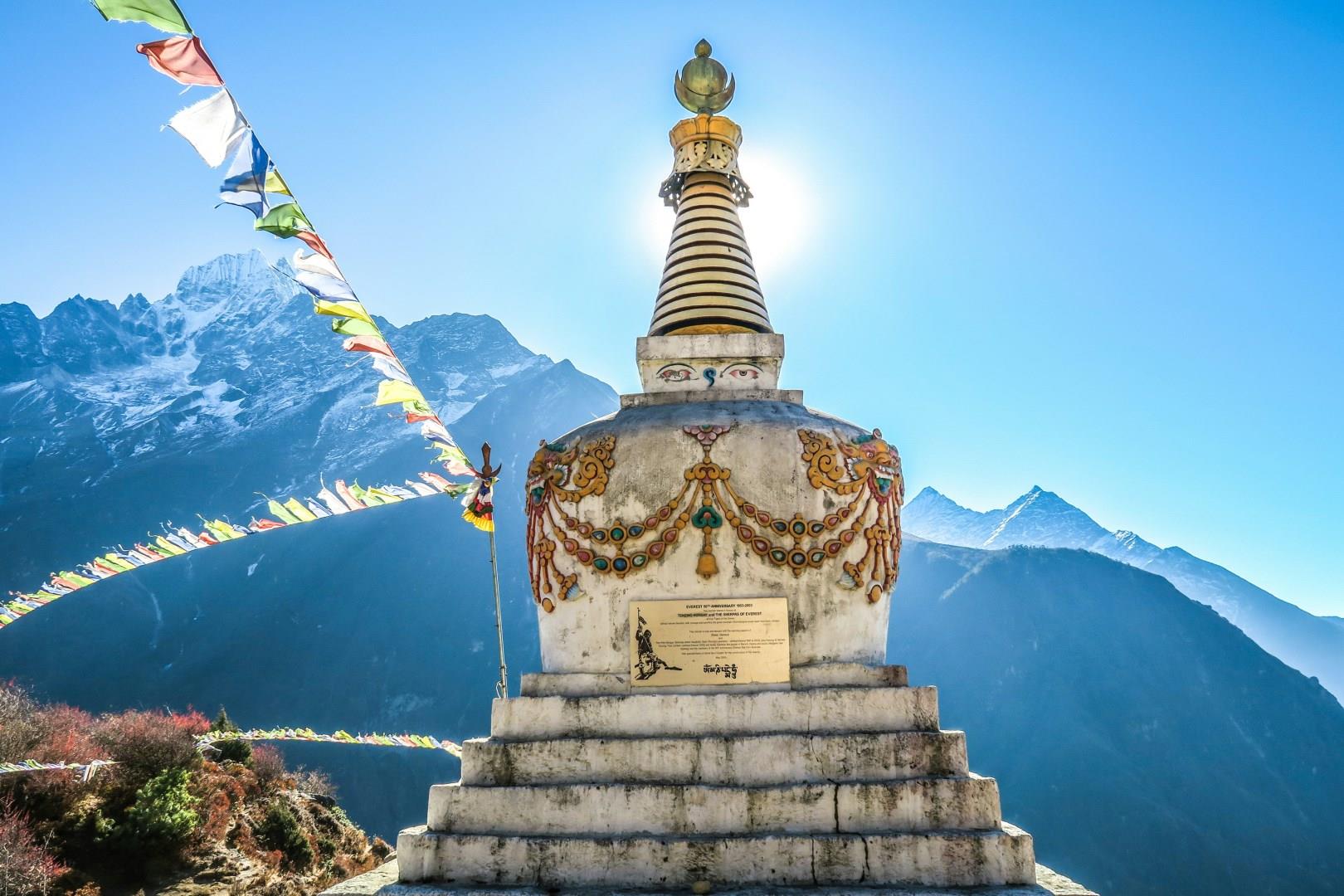
Namche
Namche Bazaar, perched at 3,440 meters in the Khumbu region of Nepal, is often called the gateway to Everest, but it’s far more than a rest stop on the way to Base Camp. Once a trading post between Tibetan and Nepali merchants, Namche has developed into a small mountain town where yak caravans and Wi-Fi cafes exist side by side. Despite its remote location, it has a Saturday market that continues to bring traders and trekkers together, just as it did centuries ago.
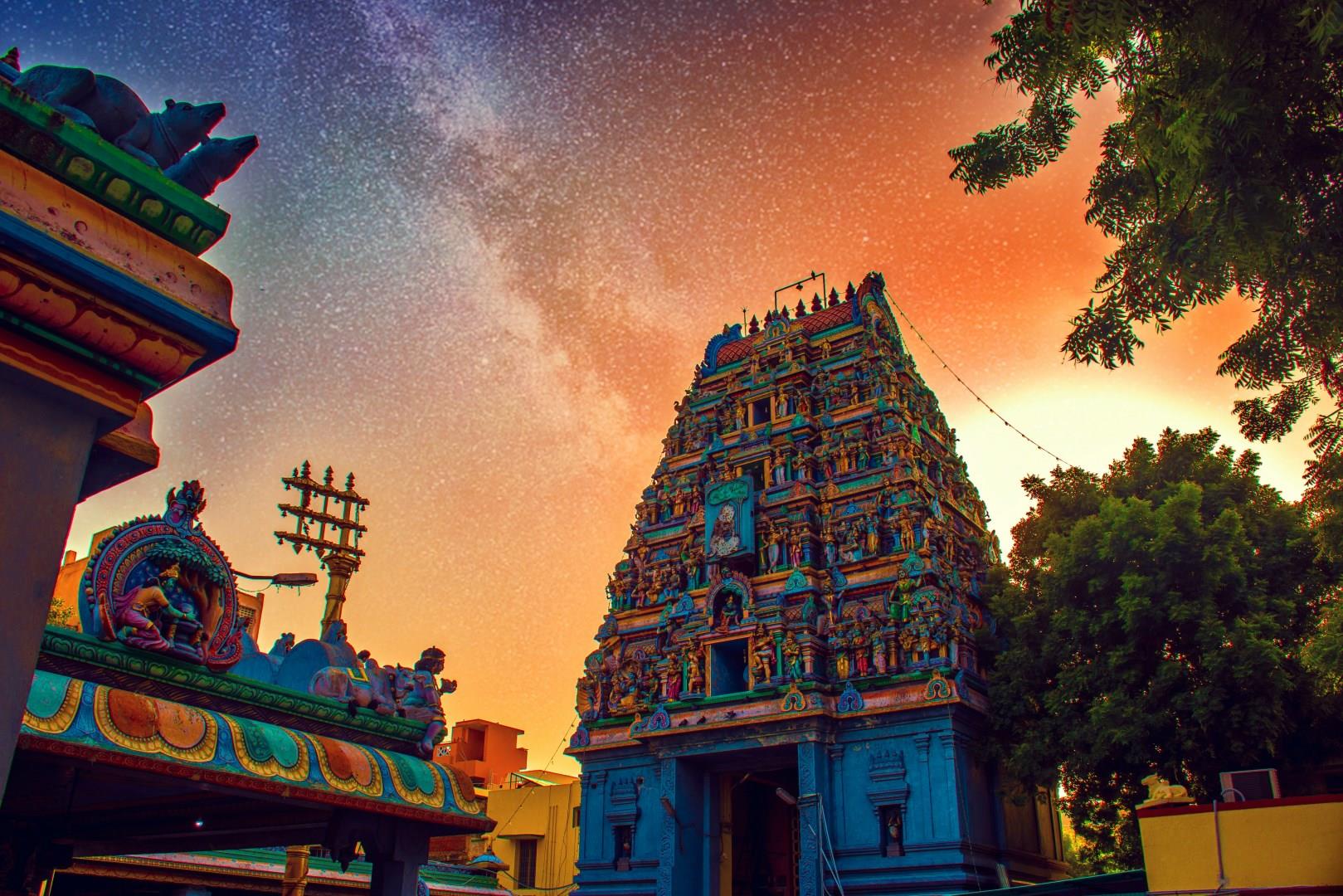
Chennai
Chennai, the capital of Tamil Nadu, is one of India’s oldest continuously inhabited cities, where ancient temples stand alongside colonial-era architecture and modern skyscrapers. Originally known as Madras, the city grew around Fort St. George, built by the British East India Company in 1644. One of Chennai’s most well-known features is Marina Beach, which stretches for over 13 kilometers and is among the longest urban beaches in the world.
