

Sri Lanka
Sri Lanka, an island nation in the Indian Ocean, is known for its lush landscapes, ancient history, and vibrant culture. From the sacred city of Kandy and the rock fortress of Sigiriya to colonial-era Galle Fort, the country offers a deep connection to centuries of heritage and tradition.

Aberdeen
ABERDEEN -- Scotland's third-largest city (pop. 187,000) is characterized by buildings of beautiful white granite. Set beside the North Sea, Aberdeen is both a university town and the capital of the Scottish oil boom. It is also one of Scotland's largest seaside resorts (though its appeal is confined to those who like their water well-chilled).

Grundarfjörður
Situated on the north coast of the Snæfellsnes peninsula between a mountain range and the sea is the small town of Grundarfjordur, Iceland. Though certainly now the most well-known town on the peninsula, its nearby mountain Kirkjufell ("church mountain" in Icelandic) is perhaps Iceland's most famous.

Santa Monica
Santa Monica, California, a gem on the Pacific coast, offers a quintessential Southern California experience. The city is renowned for its iconic Santa Monica Pier, which features an amusement park, aquarium, and family-friendly dining. A ride on the historic Ferris wheel provides stunning ocean views and a sense of nostalgia.
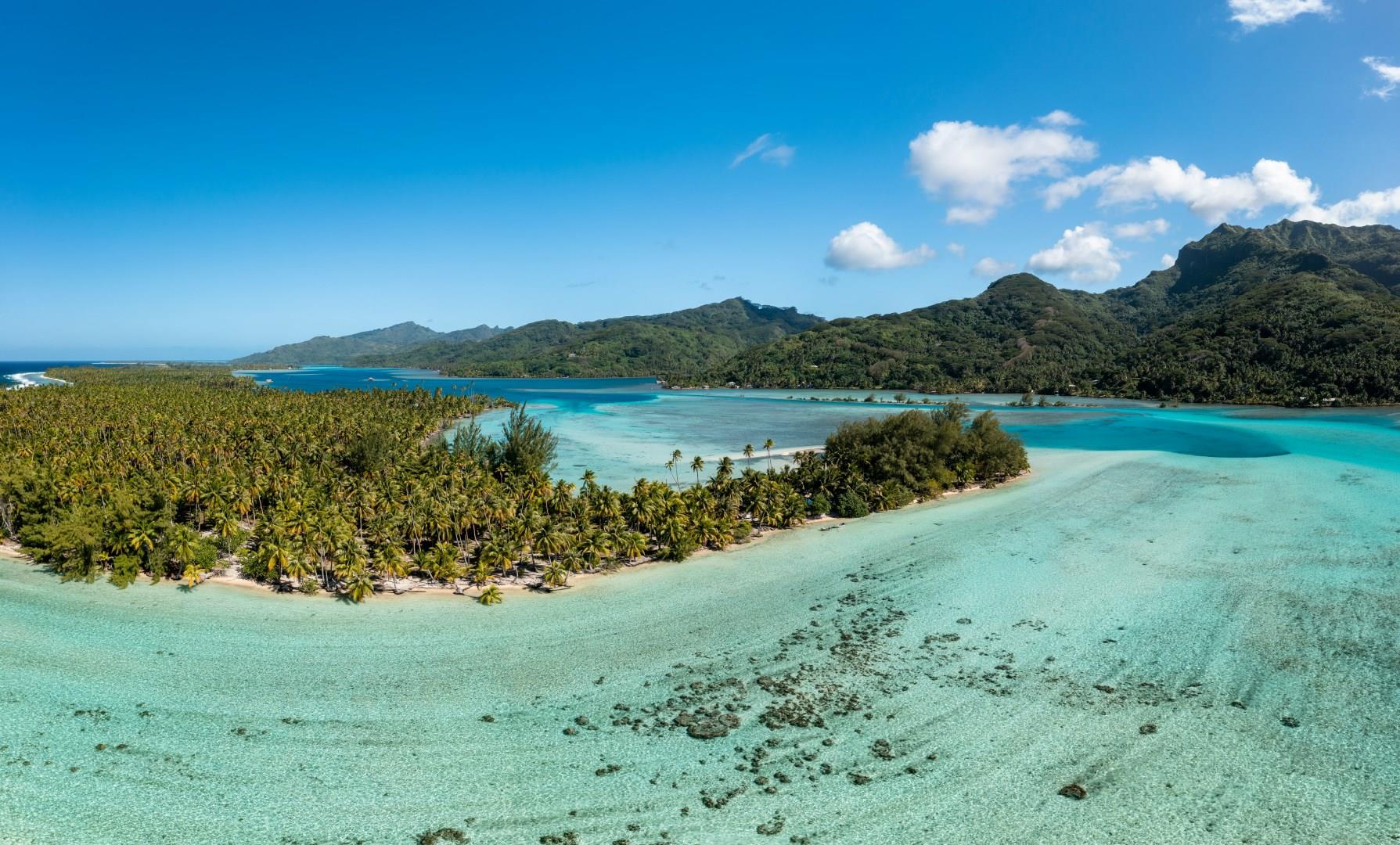
Huahine Island
Huahine Island, a gem in French Polynesia, invites travelers to experience a tranquil paradise infused with cultural richness and natural splendor. Often referred to as the "Garden of Eden," this lush island is renowned for its stunning landscapes and serene ambiance. With its dramatic volcanic peaks, crystal-clear lagoons, and pristine beaches, Huahine offers a perfect escape for those seeking both adventure and relaxation.
