
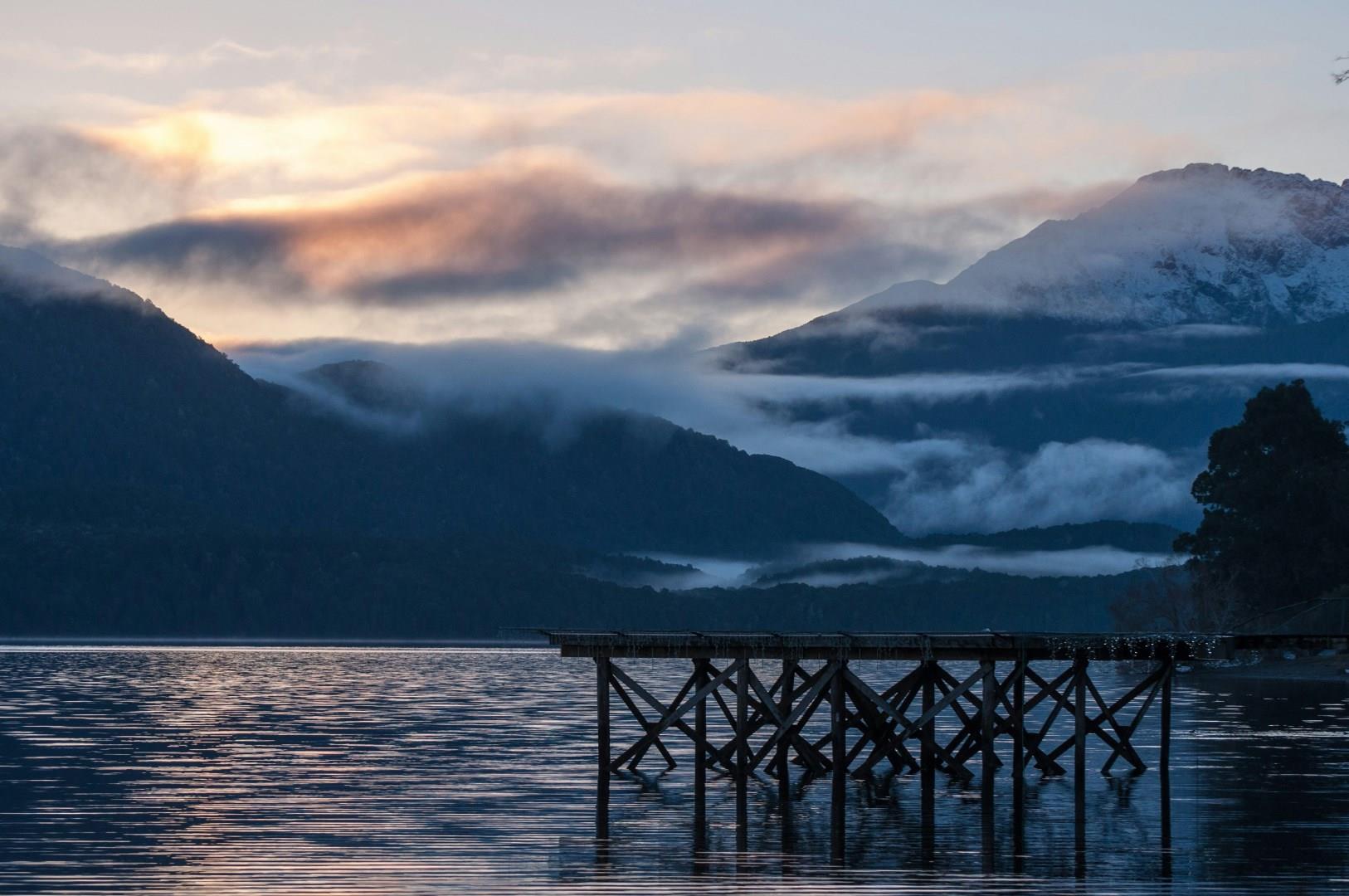
Te Anau
Te Anau sits on the edge of New Zealand’s second-largest lake, acting as the unofficial gateway to Fiordland National Park. While it’s often viewed as a starting point for trips to Milford Sound, the town itself offers a slower, more scenic way to experience the South Island’s dramatic landscapes. Te Anau’s lakefront is a mix of walking paths, local birdlife, and wide-open views across snow-dusted peaks.

Cork
The Irish Republic's second largest city is a surprisingly appealing place - you'll find time passes effortlessly during the day, and by night the pub scene is lively. The town center is uniquely situated on an island between two channels of the Lee River.

Guatemala
Guatemala is a country where ancient history and living tradition meet in unexpected ways. The ruins of Tikal, once a major center of the Maya civilization, rise from the dense Petén jungle. Visitors can climb stone temples that pierce the forest canopy and listen for howler monkeys echoing through the trees. Tikal National Park, a UNESCO World Heritage Site, contains over 3,000 structures and still holds secrets under layers of earth and vegetation.
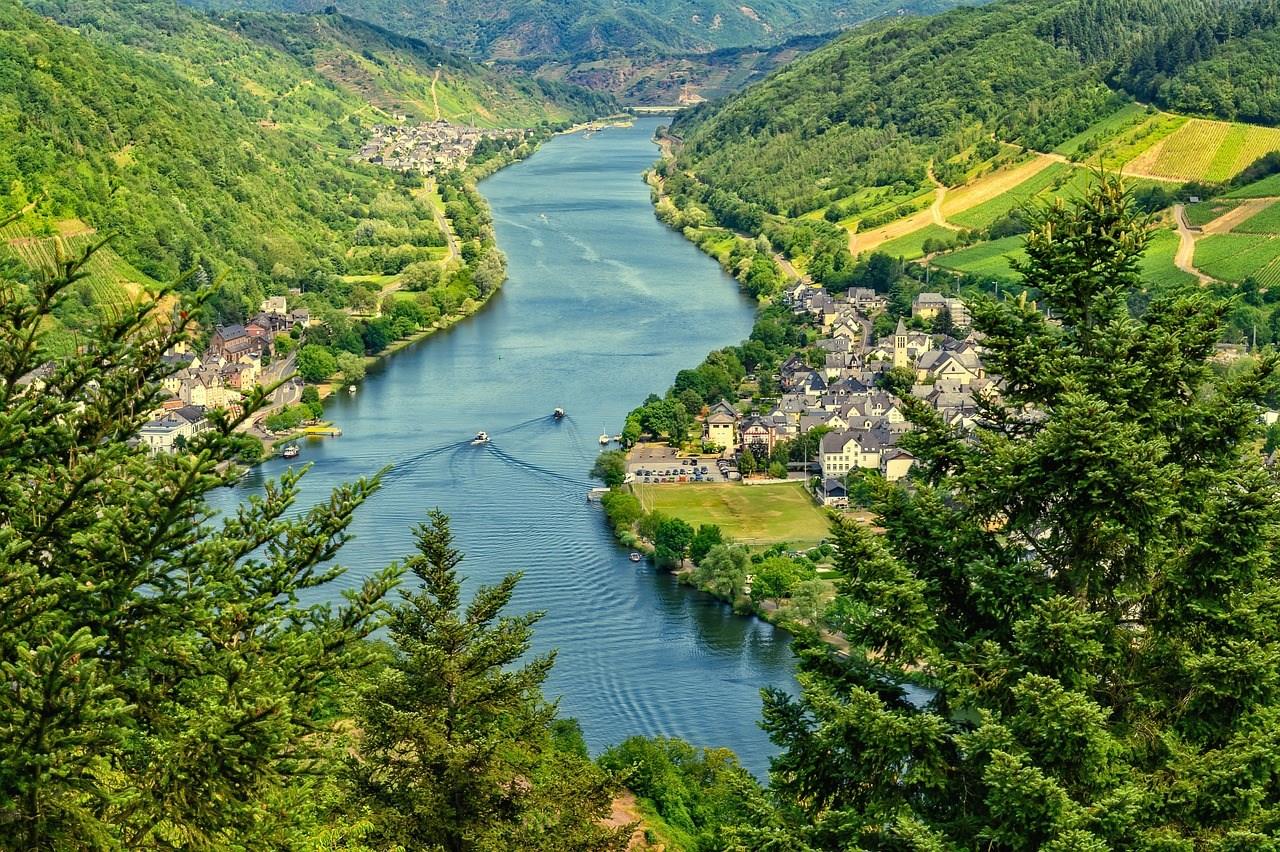
Moselle River
A tributary of the Rhine, the Moselle River flows through France, Luxembourg and Germany. The Moselle also lends its name to a region of France, a valley which it bisects, and a wine produced along its banks.
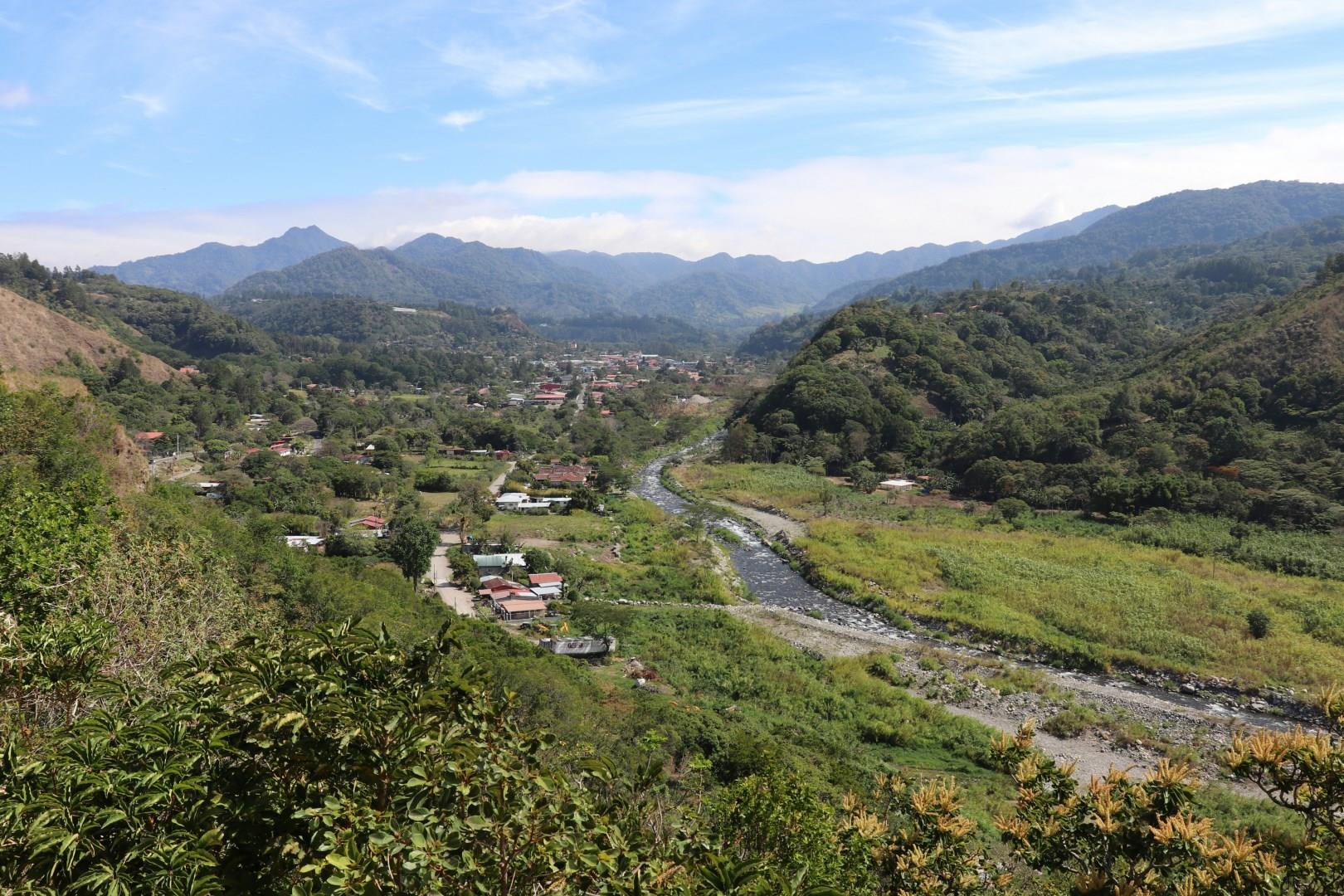
Chiriqui
Chiriquí, a province in western Panama, offers a striking variety of landscapes, from highland cloud forests to golden Pacific beaches. Bordered by Costa Rica to the west, it’s known for its rich agriculture, coffee plantations, and impressive volcano views. The capital city, David, serves as the main hub for travelers, but many of the region’s most memorable experiences are found in its rural towns, mountain valleys, and coastal areas.
