
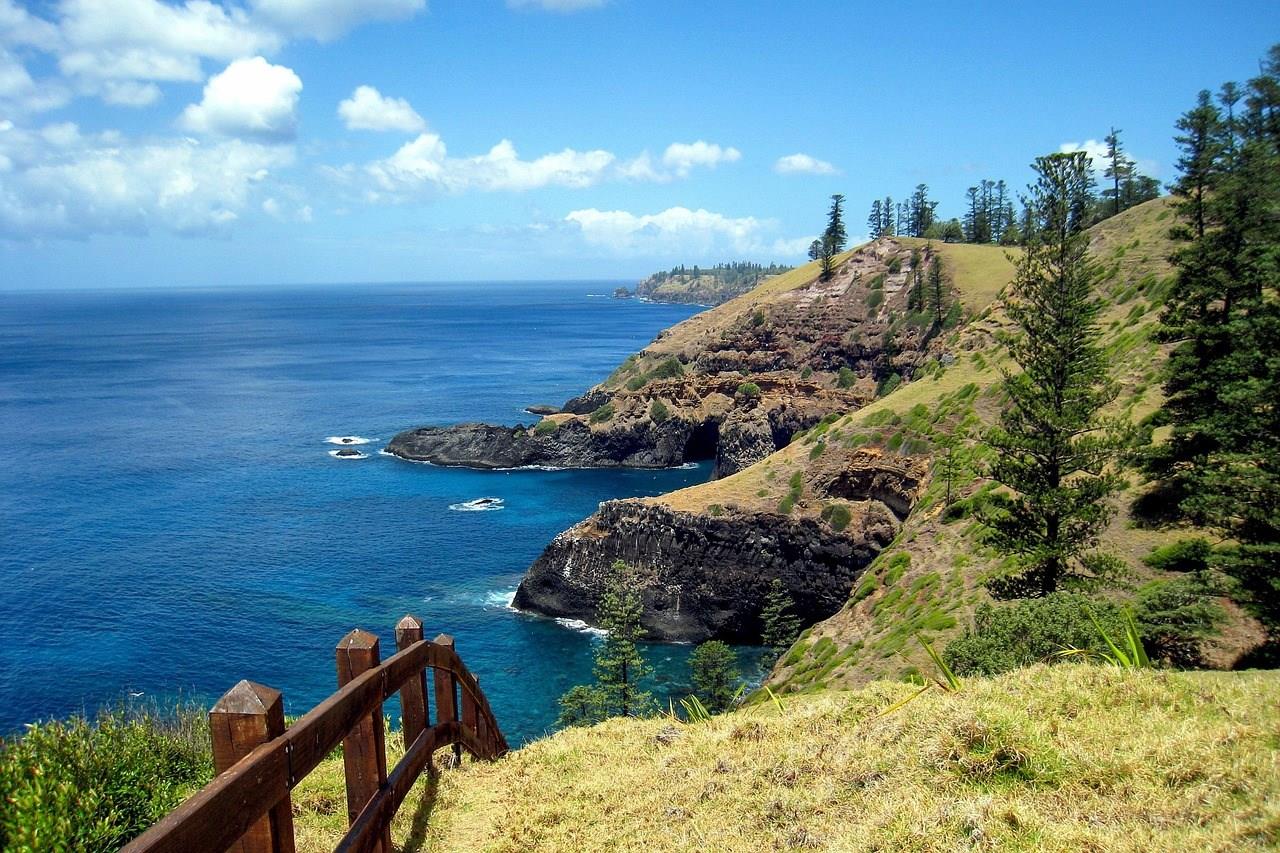
Norfolk Island
Norfolk Island may be small but it carries a story that spans centuries. Located in the South Pacific between Australia, New Zealand, and New Caledonia, the island is a fascinating blend of Polynesian roots, British convict history, and Pitcairn Island culture. Today, visitors can walk through one of the best-preserved penal settlements in the world at Kingston, where stone ruins and restored Georgian buildings stand against a backdrop of green hills and the open sea.

Cuenca
Nestled in the Andes Mountains, Cuenca, Ecuador, is a city that seamlessly blends colonial charm, cultural richness, and natural beauty. Known as the “Athens of Ecuador” due to its vibrant intellectual and cultural life, Cuenca's historic center is a UNESCO World Heritage Site that delights visitors with its cobblestone streets, whitewashed buildings, and red-tiled roofs.

Dendera
Located on the west bank of the Nile, Dendera is home to the famous Dendera Temple Complex, one of the best-preserved ancient Egyptian temples. The Temple of Hathor features impressive reliefs and intricate carvings that draw visitors interested in Egyptology and ancient history.

Mostar
Mostar, a picturesque city in Bosnia and Herzegovina, offers a captivating blend of history, culture, and natural beauty. Renowned for its iconic Stari Most (Old Bridge), this 16th-century Ottoman structure arches gracefully over the Neretva River, symbolizing the city’s historical role as a bridge between East and West.

Istanbul
Istanbul is a city built on layers of empire. Spanning two continents, it was once the capital of three major empires: Roman, Byzantine, and Ottoman. Visitors walking through the Sultanahmet district can witness this timeline firsthand, from the Roman-era Hippodrome to the Byzantine mosaics of Hagia Sophia, and the towering minarets of the Blue Mosque. At nearby Topkapi Palace, rooms still display the jeweled swords, ceremonial robes, and handwritten Qurans once used by Ottoman sultans.
