

Marmaris
Marmaris sits on the turquoise waters of Turkey’s Aegean coast and greets visitors with a lively harbor, wide beaches and a story that spans thousands of years. Its protected bay has been a safe anchorage for ships since ancient times, and today the marina, one of the largest on the Turkish Riviera, is bright with yachts and fishing boats alike.

Chiang Mai
Chiang Mai, located in northern Thailand, is a city where ancient walls surround over 30 historic temples, and daily life continues just steps away from centuries-old rituals. Founded in 1296 as the capital of the Lanna Kingdom, the city still reflects its origins through distinctive architecture, moats, and cultural practices. Wat Phra Singh and Wat Chedi Luang are two of the most visited temples within the Old City, offering a chance to see traditional Lanna-style design.
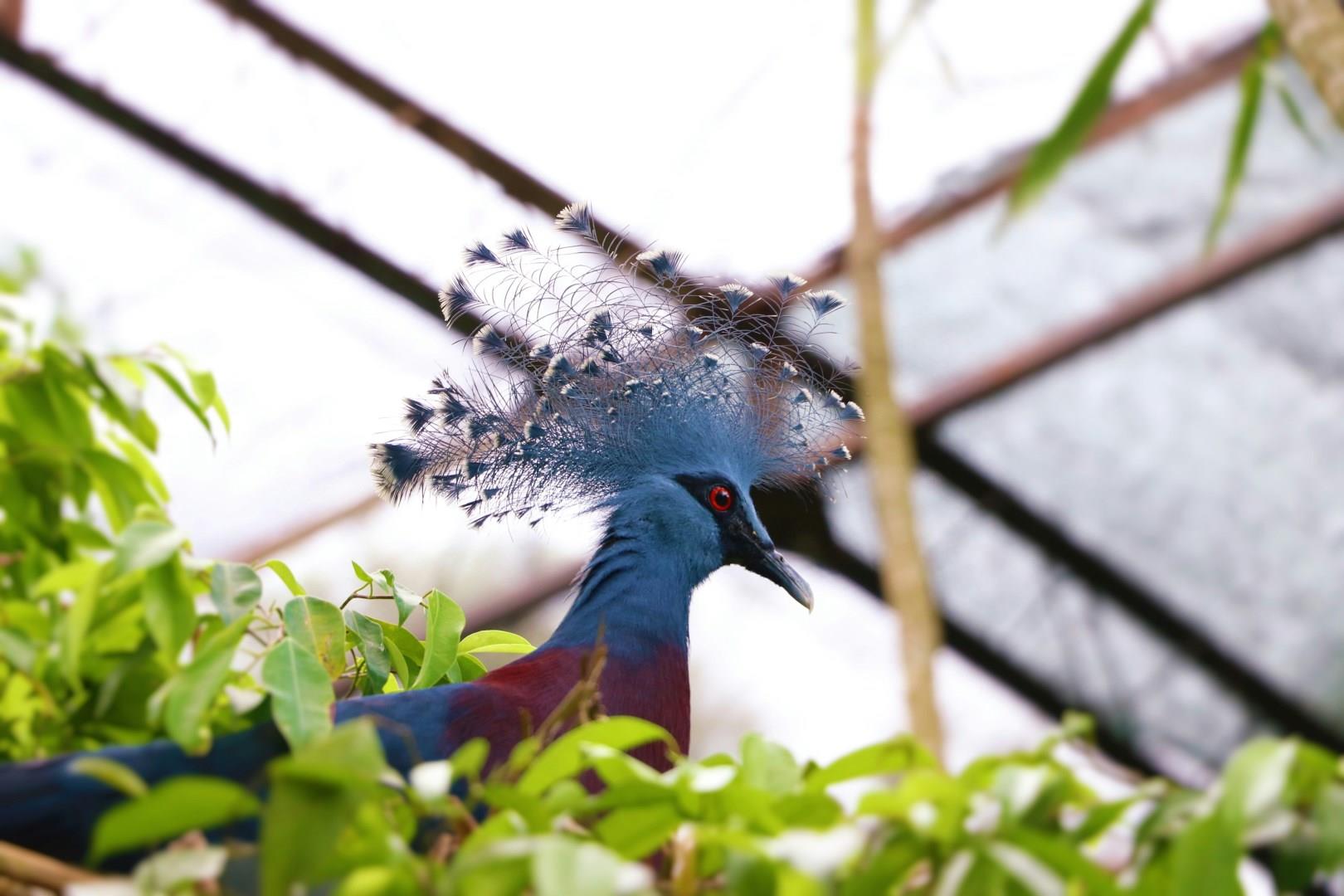
Port Moresby
Port Moresby sits by the Coral Sea as Papua New Guinea’s capital and shows visitors a city of contrasts where glittering new buildings rise beside traditional villages built on stilts. One such place is Hanuabada, the original Motuan village, where roofs reach above water’s edge and everyday life still unfolds in Tok Pisin and local tongue.

Pompeii
Pompeii, Italy, is a mesmerizing time capsule that invites travelers to step back into the world of ancient Rome. Once a thriving city, Pompeii was abruptly buried under volcanic ash and pumice following the catastrophic eruption of Mount Vesuvius in 79 AD. This tragic event preserved the city in remarkable detail, allowing visitors today to walk the cobbled streets and witness a snapshot of Roman life, from grand villas and bathhouses to bakeries and amphitheaters.

Kings Canyon
Kings Canyon, located in Australia’s Northern Territory within Watarrka National Park, is one of the Red Centre’s most striking natural landmarks. Carved over millions of years, the canyon holds deep cultural significance for the Anangu people, particularly the Luritja, for whom the area remains a sacred landscape tied to creation stories, ceremony, and traditional knowledge.
