
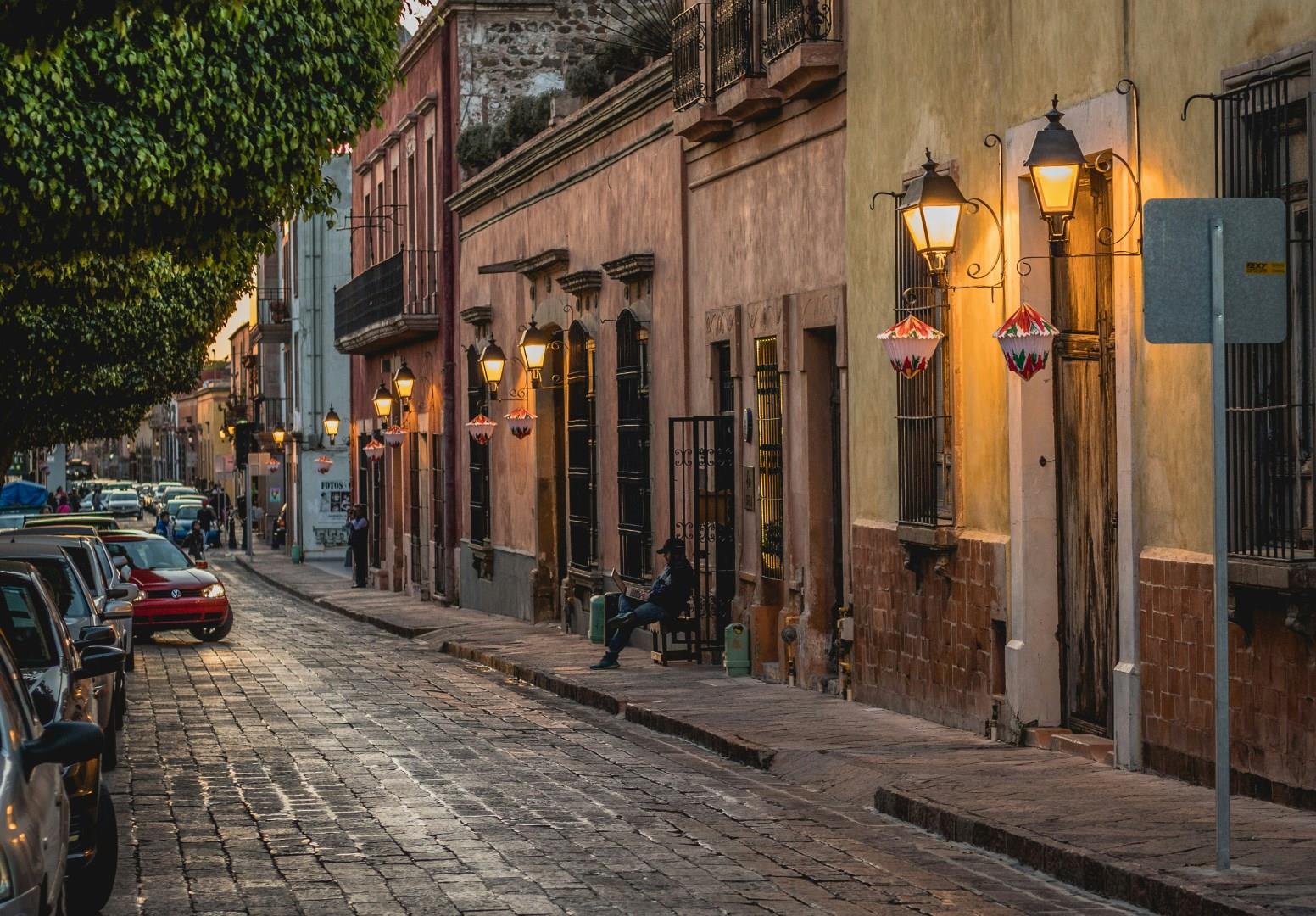
Querétaro
Querétaro, located in the heart of central Mexico, is a city where centuries of history are still visible in daily life. Its historic center, a UNESCO World Heritage Site, features narrow streets, elegant plazas, and baroque churches that reflect its colonial past. One of the city’s most iconic landmarks is the massive aqueduct, built in the 18th century with 74 stone arches stretching nearly a mile across the landscape.
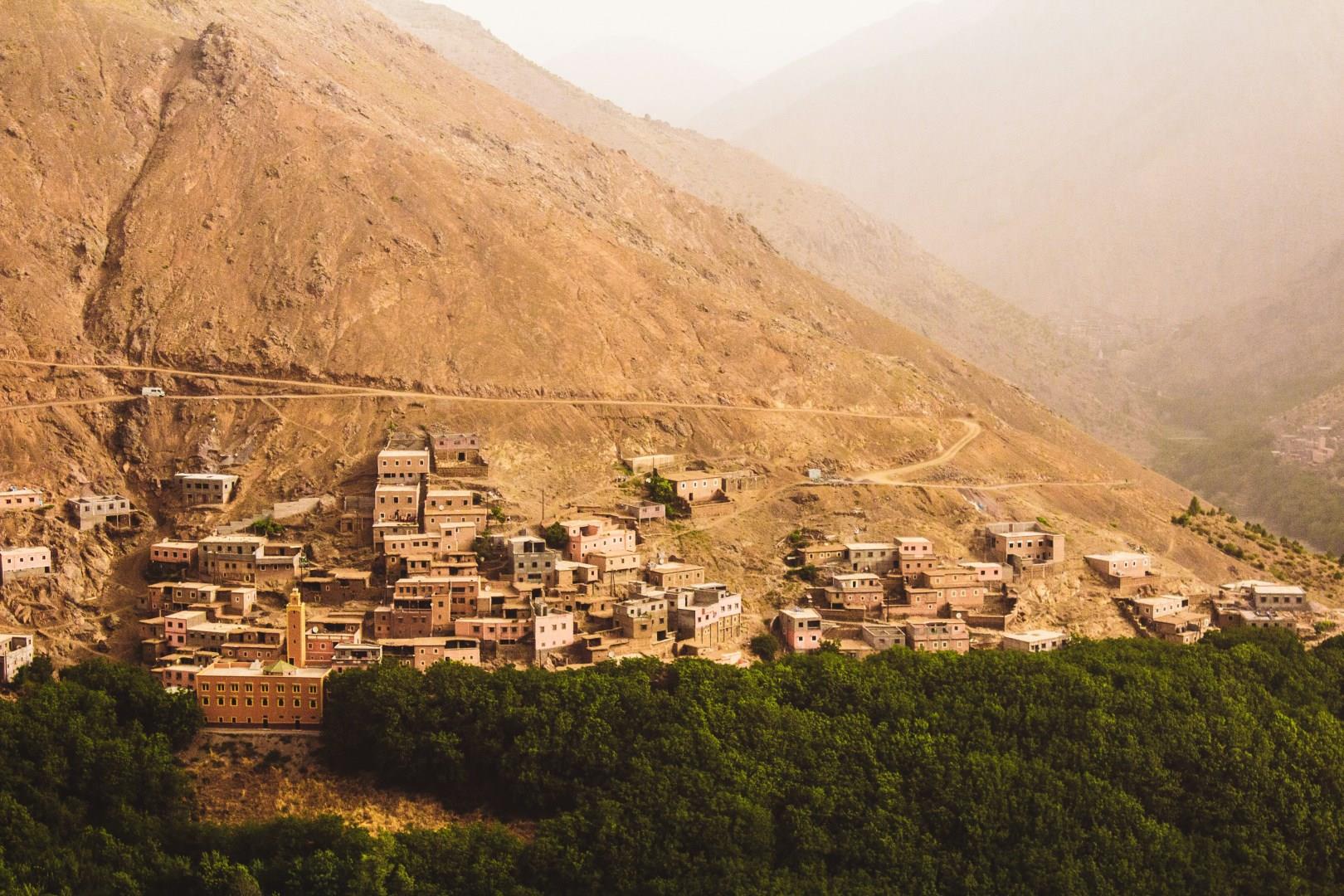
Imlil
Imlil is a small Berber village nestled in the High Atlas Mountains of Morocco, serving as a gateway to the Toubkal National Park. Its history is tied to mountain agriculture and traditional life, with stone houses and terraced fields reflecting centuries of adaptation to the rugged terrain.

Leeds
Leeds, in the heart of West Yorkshire, is one of northern England’s most dynamic cities, where industrial heritage meets modern creativity. Once a powerhouse of the textile trade during the Industrial Revolution, the city has transformed into a hub for business, culture, and education.

Zion National Park
Zion National Park, located in southwestern Utah, is known for its massive sandstone cliffs, narrow slot canyons, and unique desert ecosystems. Established in 1919, it was Utah’s first national park and continues to attract visitors with its dramatic elevation shifts and striking rock formations. The park’s most iconic feature, Zion Canyon, stretches for 15 miles and reaches depths of up to 2,640 feet, carved over time by the Virgin River.
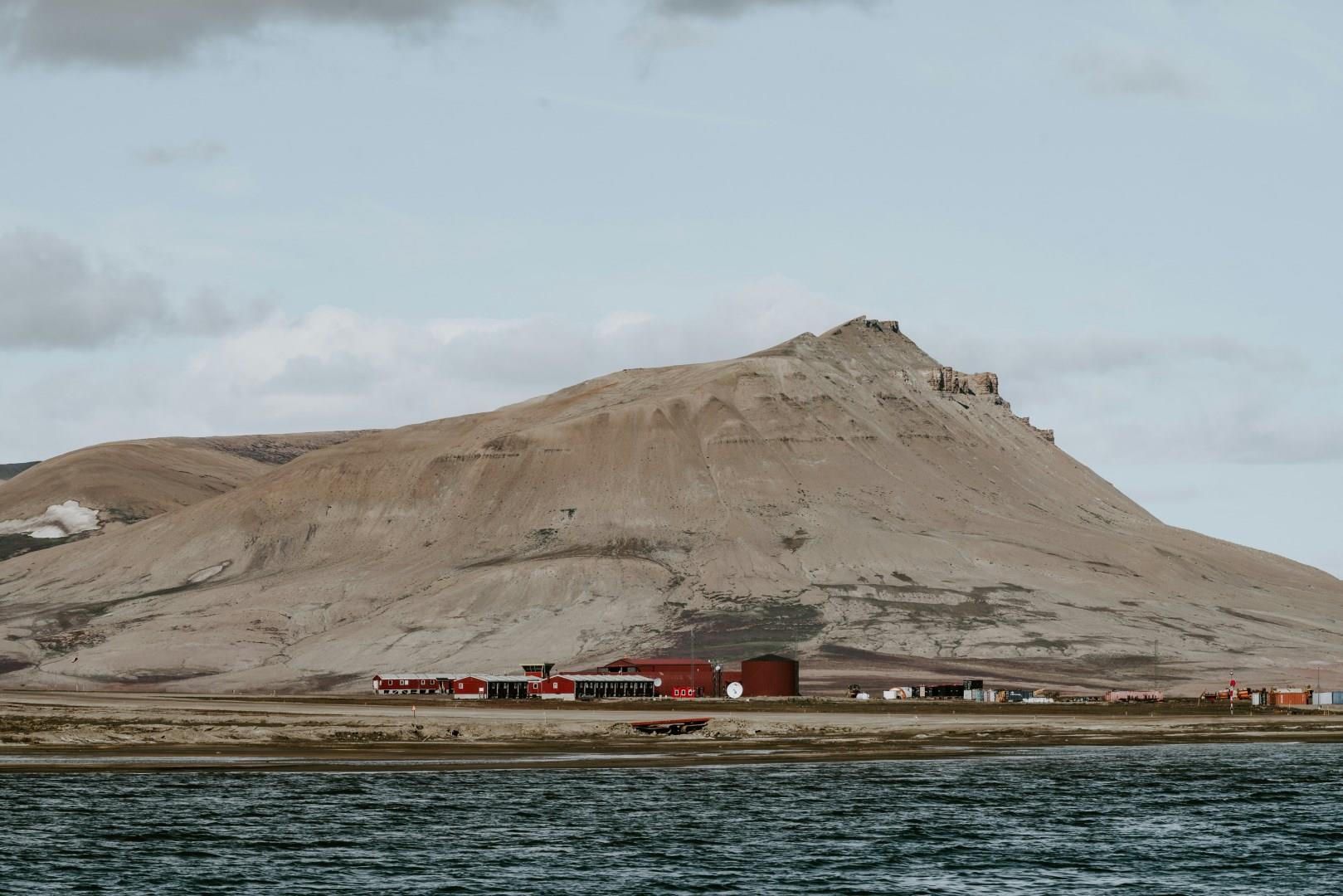
Constable Point
Constable Point, known locally as Nerlerit Inaat, is a small but fascinating gateway to Greenland’s remote east coast. Originally established in the 1980s to support mineral exploration and later functioning as a crucial supply base, Constable Point now serves as the main air access hub for visitors headed to the isolated communities of Ittoqqortoormiit and Scoresby Sound.
