
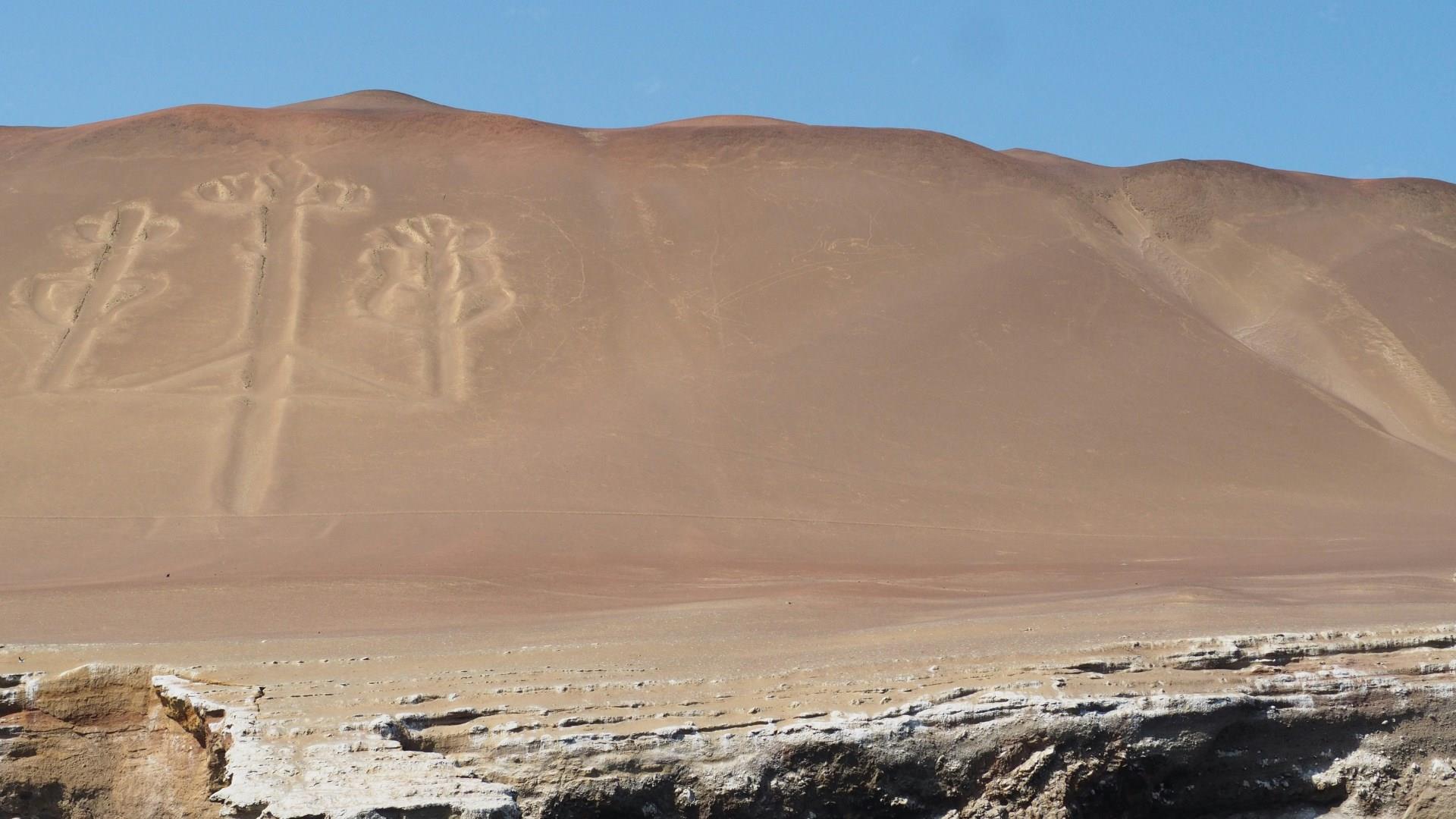
Paracas
Paracas, a small coastal town in southern Peru, offers a mix of desert landscapes, marine wildlife, and ancient history. Just three hours from Lima, it’s the gateway to the Paracas National Reserve, one of the country’s most important protected areas. This reserve includes both land and sea, making it home to dramatic cliffs, wind-carved rock formations, and waters where dolphins, sea lions, and Humboldt penguins are frequently seen.

Motril
Motril, Spain, is located near the Guadalfeo River on the Mediterranean coast in the province of Granada. Sugar cane refineries form the backbone of Motril's economy, though tourism is also an essential industry.

Doha
Doha presents a journey where heritage and modern design intersect gracefully. The Museum of Islamic Art, designed by I. M. Pei, rises from the Corniche and houses ceramics, textiles, manuscripts, and metalwork spanning fourteen centuries. Nearby, the National Museum of Qatar, shaped like a desert rose, narrates the country's story through immersive exhibits and architecture by Jean Nouvel. These institutions offer perspectives on both art and national identity.
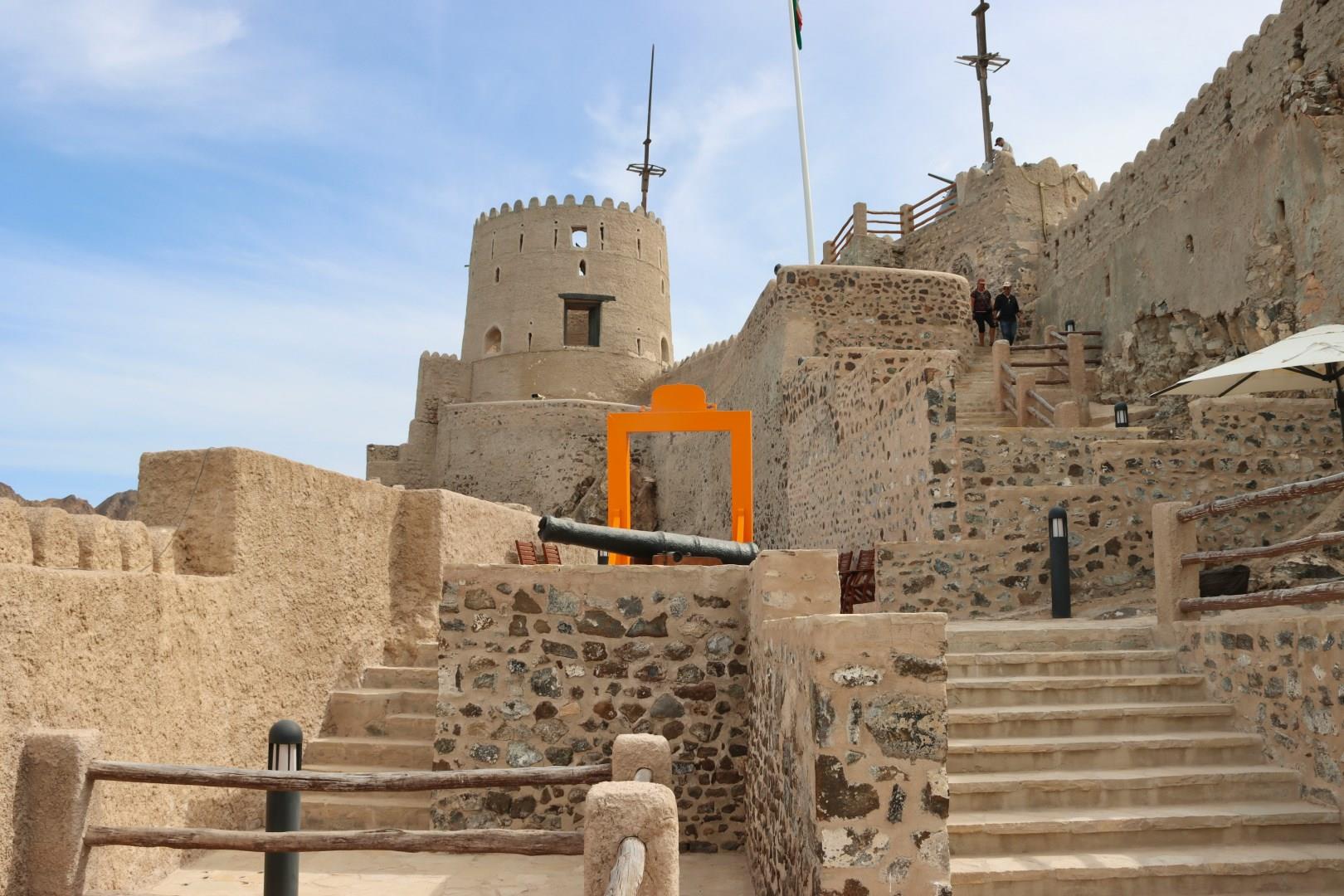
Nakhal
Located in northern Oman, Nakhal is best known for its impressive fort set dramatically against the backdrop of the Hajar Mountains. Originally built centuries ago and later expanded, the fort showcases traditional Omani architecture and offers sweeping views of the surrounding palm groves and rugged landscapes.

Pisa
Pisa, Italy, is more than just its world-famous Leaning Tower; it's a city where history, art, and culture intersect to create a fascinating experience for visitors. The Leaning Tower, part of the Piazza dei Miracoli or Square of Miracles, is an architectural wonder that draws millions each year. Built as a bell tower for the adjacent Pisa Cathedral, its unintended tilt has become a global icon.
