

Cappadocia
The ancient region of Cappadocia lies in Central Anatolia, between the cities of Nevsehir, Kayseri and Nigde. Here, the traveler finds one of the most fantastic landscapes in the world. Wind and weather have eroded the soft volcanic rock with hundreds of strangely shaped pillars, cones and "fairy chimneys", often very tall, and in every shade from pink through yellow to russet browns.

Paros
Whether you’re drawn to its beaches, rich history, or welcoming atmosphere, Paros has something for everyone. It’s a destination where you can unwind under the Mediterranean sun, explore traditions, and savor the flavors of Greece.

Las Vegas
Las Vegas, Nevada, is an electrifying city where glitz and glamour meet entertainment and excitement. Known as "The Entertainment Capital of the World," Las Vegas offers an unparalleled array of attractions, from its iconic casinos and luxurious hotels to its world-class dining and live shows. The city's entertainment scene is second to none, featuring legendary headliners, cutting-edge performances, and an array of themed attractions.

Bali
Bali, an island province of Indonesia, has been shaped by centuries of Hindu influence, volcanic activity, and a deep connection between daily life and ritual. The island’s temples are a major part of its landscape as more than 20,000 exist across Bali. One of the most visited is Uluwatu Temple, perched dramatically on a cliff 70 meters above the Indian Ocean.
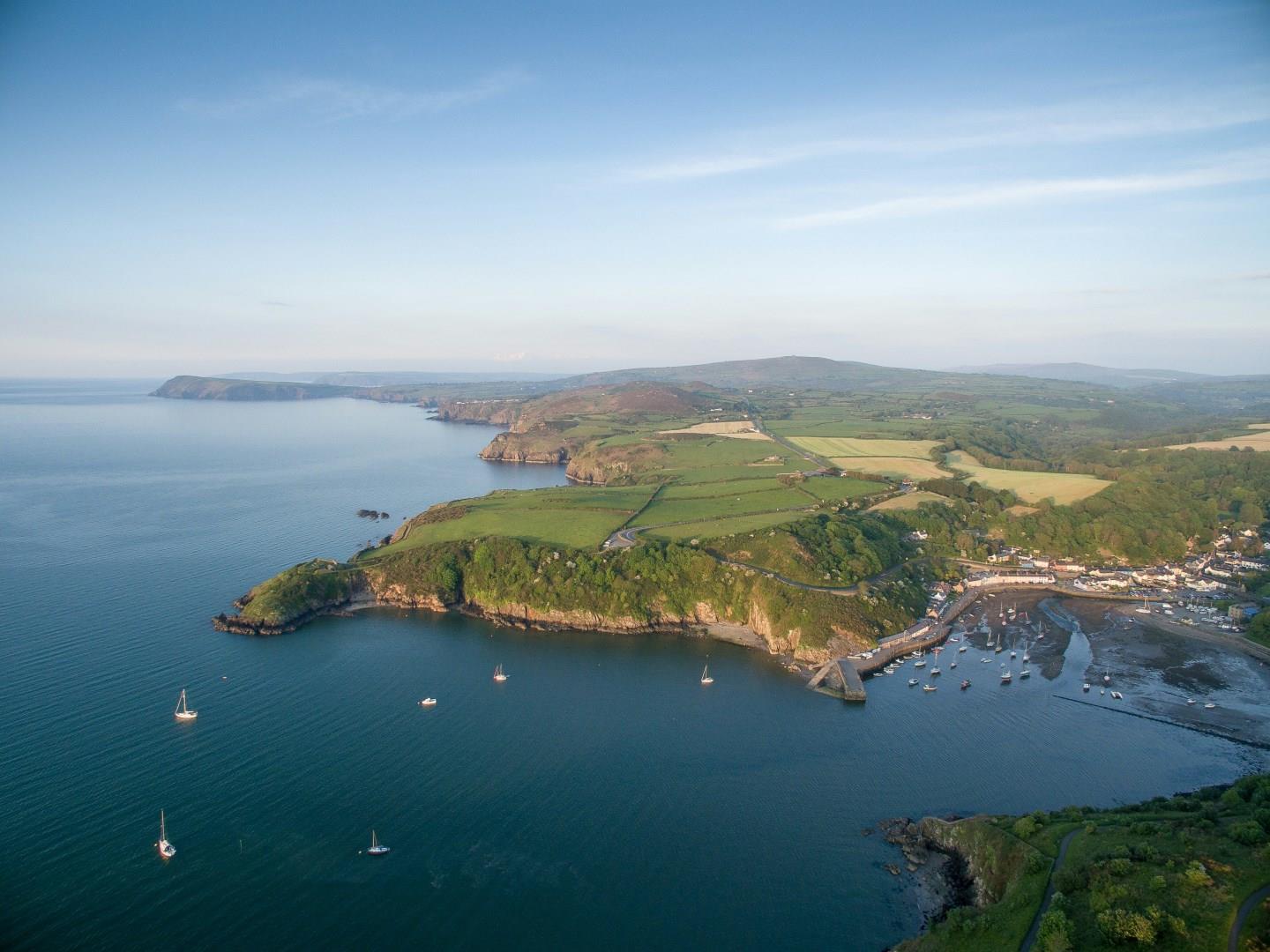
Fishguard
Fishguard, a coastal town in north Pembrokeshire, is divided into two parts: Fishguard and Lower Town. Lower Town is a small harbor nestled at the mouth of the River Gwaun, lined with fishing cottages and boats. It has served as a filming location for several productions, including the 1956 movie *Moby Dick* starring Gregory Peck. Visitors can walk the quayside, explore rock pools at low tide, or take boat trips along the Pembrokeshire Coast.
