

Beppu
Beppu boasts the largest volume of hot water and number of hot spring sources in Japan. The city is divided into eight distinct hot spring areas.

Ghent
If it wasn't for Paris, Ghent would be medieval Europe's largest city. Steeped in history both rebellious and industrious, it sits at the junction of the Leie and Scheldt rivers and was once the site of armed battles by its townsfolk, who raged against heavy taxes and restricted civil liberties.
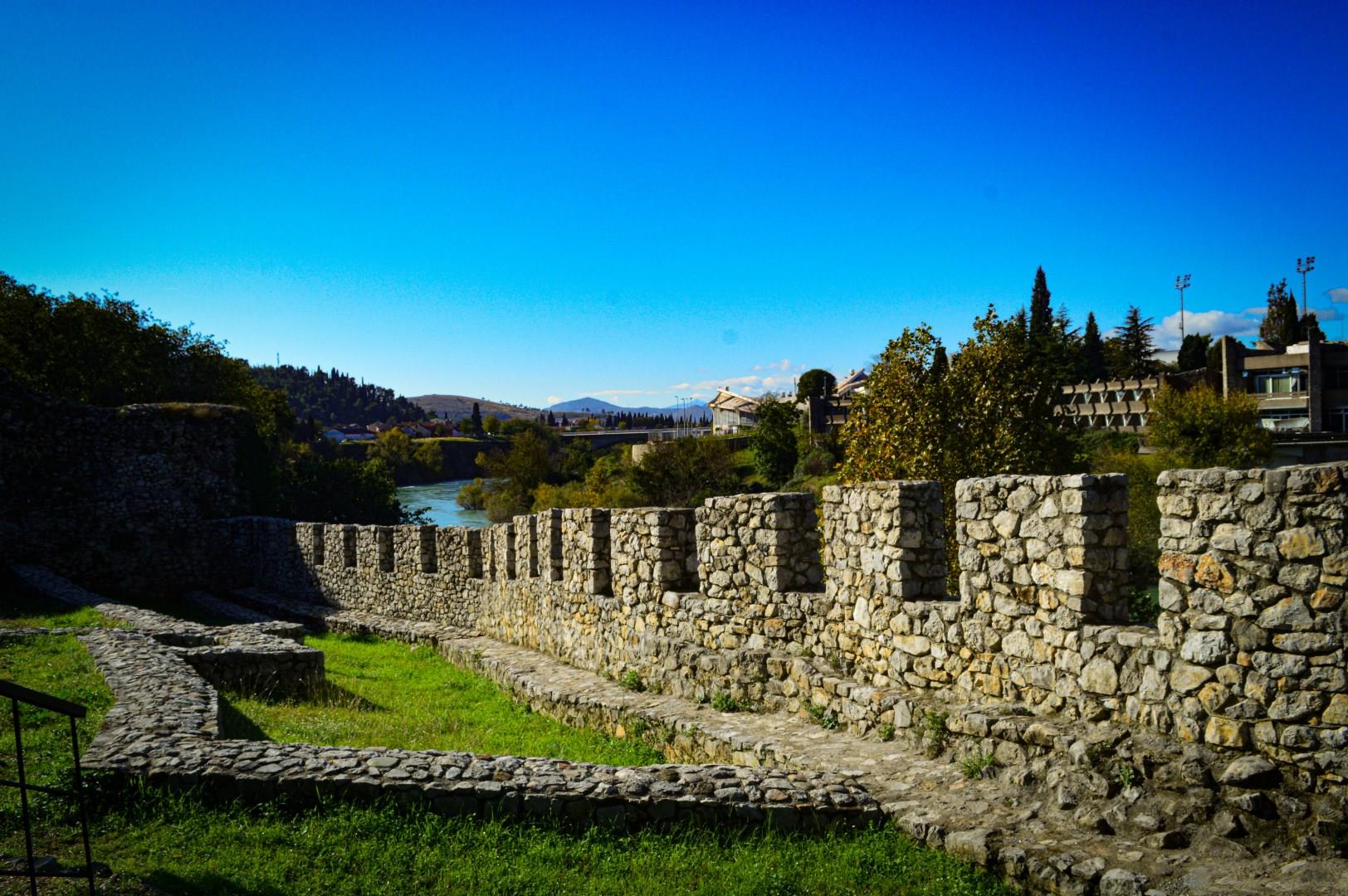
Podgorica
Podgorica, the capital of Montenegro, showcases the country’s contrasting landscapes and deep-rooted history. Although much of the city was rebuilt after World War II, traces of its Roman and Ottoman past still remain. Visitors can explore the ruins of Doclea, a Roman settlement just outside the city, where surviving columns and mosaics give a glimpse into life nearly two millennia ago.

Floreana Island
Located off the coast of Ecuador, Floreana Island is one of the Galápagos Islands and a popular stop for gazing at a variety of wildlife, including Galápagos tortoises and flamingoes. Post Office Bay is home to the island chain's first post office site, originally established by visiting whalers in the 18th century. Though one of the smallest islands in the Galápagos, Floreana is well worth the trip!

Skopje
Skopje, the capital of North Macedonia, offers a fascinating blend of ancient history and modern transformation. A walk through the city reveals layers of Roman, Byzantine, and Ottoman influences, making it a treasure trove for history lovers. Begin your journey at the iconic Stone Bridge, a symbol of the city that dates back to the 15th century, linking the Ottoman Old Bazaar with Skopje’s modern city center.
