
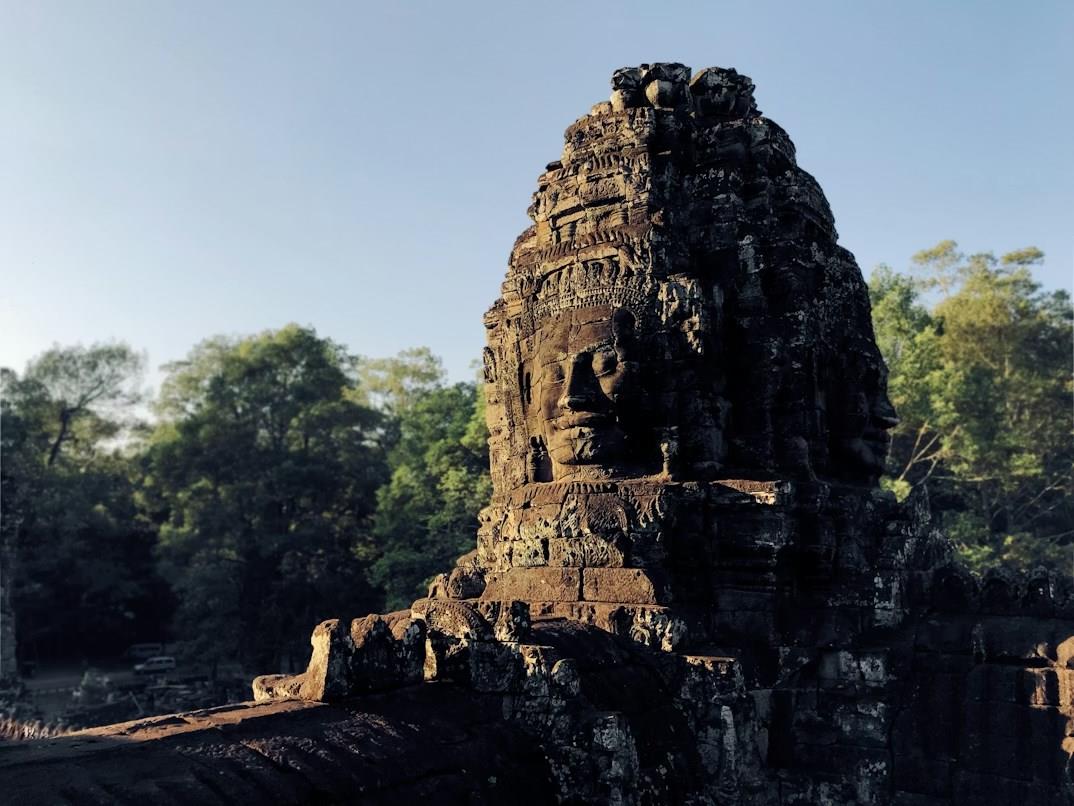
Angkor Thom
Angkor Thom was the last great capital of the Khmer Empire, established in the late 12th century under King Jayavarman VII in what is now northwestern Cambodia. Enclosed by massive stone walls and a wide moat, the city was designed as both a political center and a sacred landscape, symbolizing the cosmic order of the Khmer worldview.
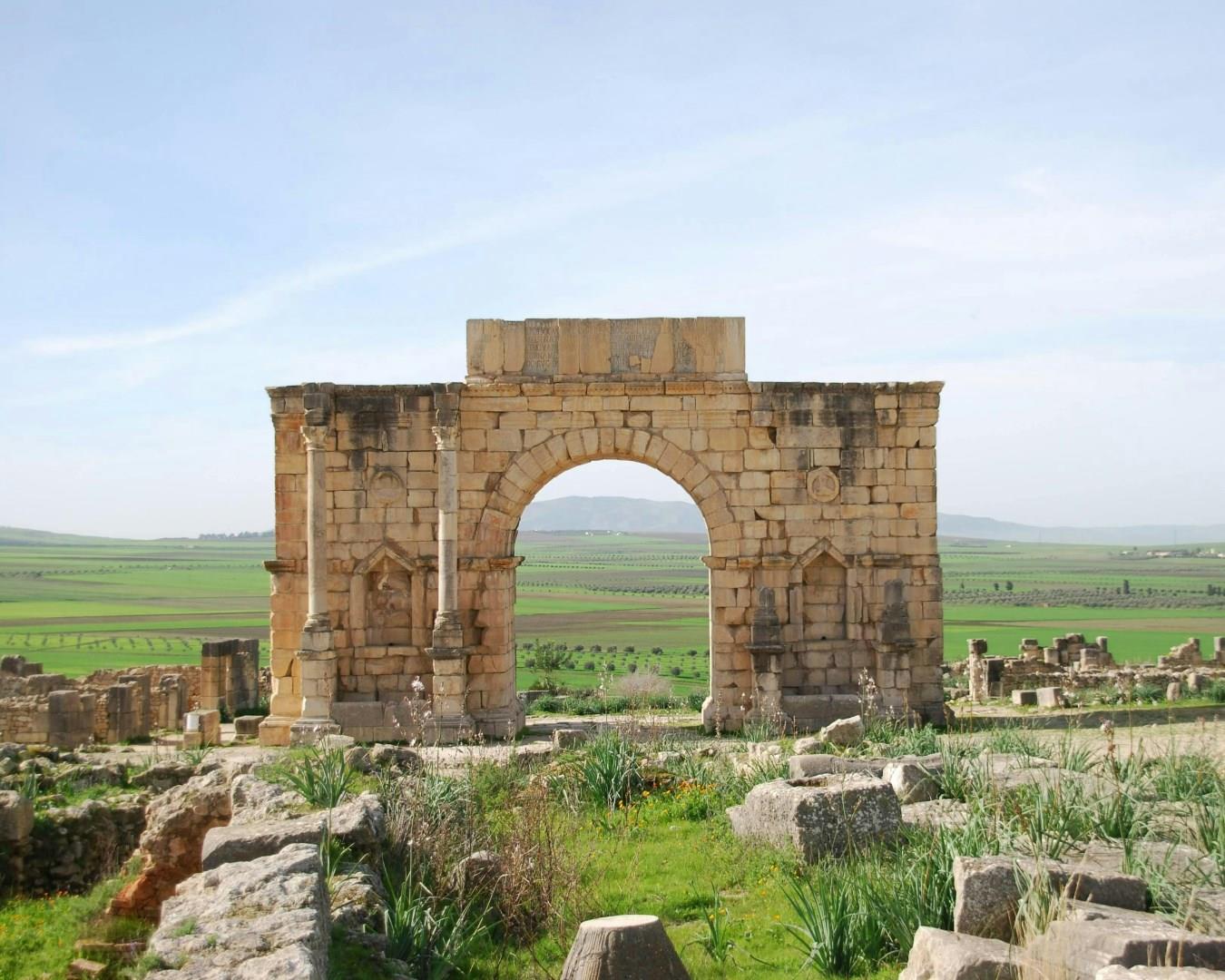
Meknes
Meknes, one of Morocco’s four imperial cities, is a historic jewel known for its blend of grandeur and tradition. Once the capital under Sultan Moulay Ismail in the 17th century, the city was envisioned as the “Versailles of Morocco,” filled with monumental gates, sprawling walls, and lavish palaces.

Atacama Desert
The Atacama Desert in Chile, the driest non-polar desert on Earth, is a place of extraordinary beauty and otherworldly landscapes. Stretching over 600 miles along the Pacific coast, the Atacama's stark, lunar-like terrain is punctuated by salt flats, active geysers, and rugged canyons. One of the most striking sights is the Valle de la Luna, or Valley of the Moon, where wind-sculpted sand dunes and jagged rock formations create a surreal environment that appears as if it's straight from another

Freiburg
Freiburg was founded by the Dukes of Zähringen in 1120, and the layout of streets and squares of the rapidly prospering metropolis is still impressively reflected in today's cityscape.
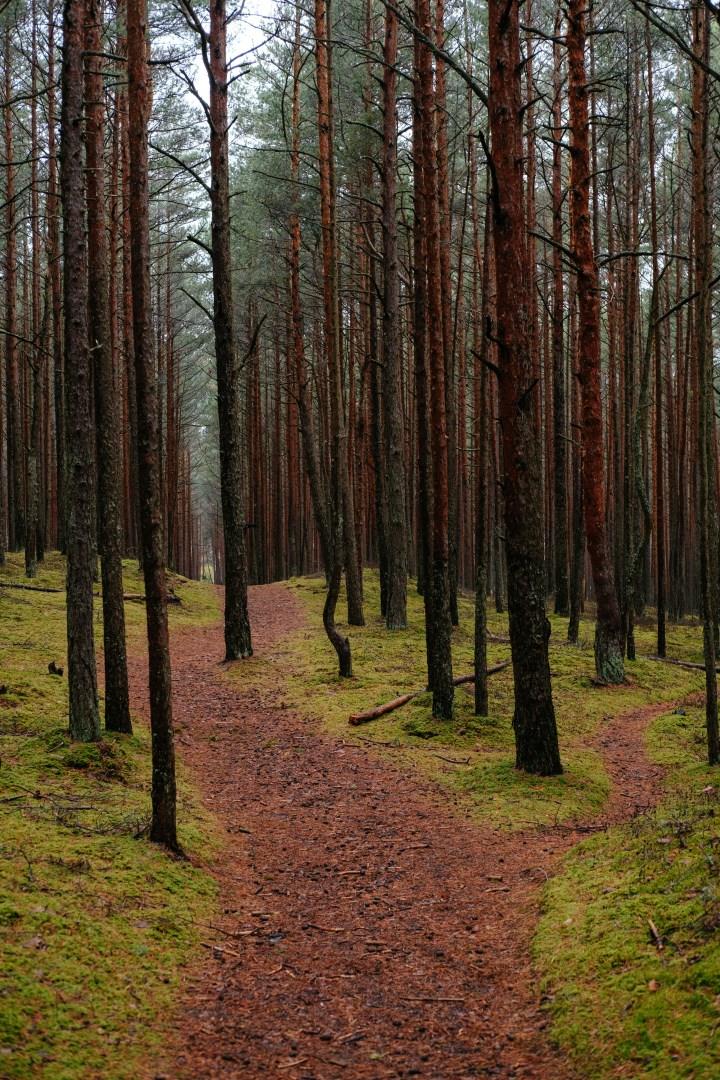
Jurmala
Jūrmala, Latvia’s famed seaside resort, stretches along 33 kilometers of white sandy beaches kissed by the Baltic Sea. Its wooden architecture, featuring colorful villas from the early 20th century, tells the story of its history as a retreat for the well-to-do during the Russian Empire. Visitors strolling the Jomas Street promenade will find a lively atmosphere filled with cafes, boutiques, and galleries, alongside peaceful spots where the sea breeze encourages relaxation.
