

Halong Bay
Halong Bay, located in northeastern Vietnam, is a stunning UNESCO World Heritage site known for its emerald waters and towering limestone islands. This natural wonder offers a variety of activities for visitors, including cruising, kayaking, snorkeling, and exploring extraordinary caves like the Sung Sot.

Cancún
Cancún sits on the northeastern tip of Mexico’s Yucatán Peninsula, where the Caribbean Sea meets a narrow stretch of sand shaped by ancient Maya trade routes and modern development. While widely known as a resort destination, Cancún’s roots trace back to a quiet fishing area near important pre-Hispanic sites, with nearby Isla Mujeres and the mainland serving as part of a broader coastal network connected to inland Maya cities.
Dambulla
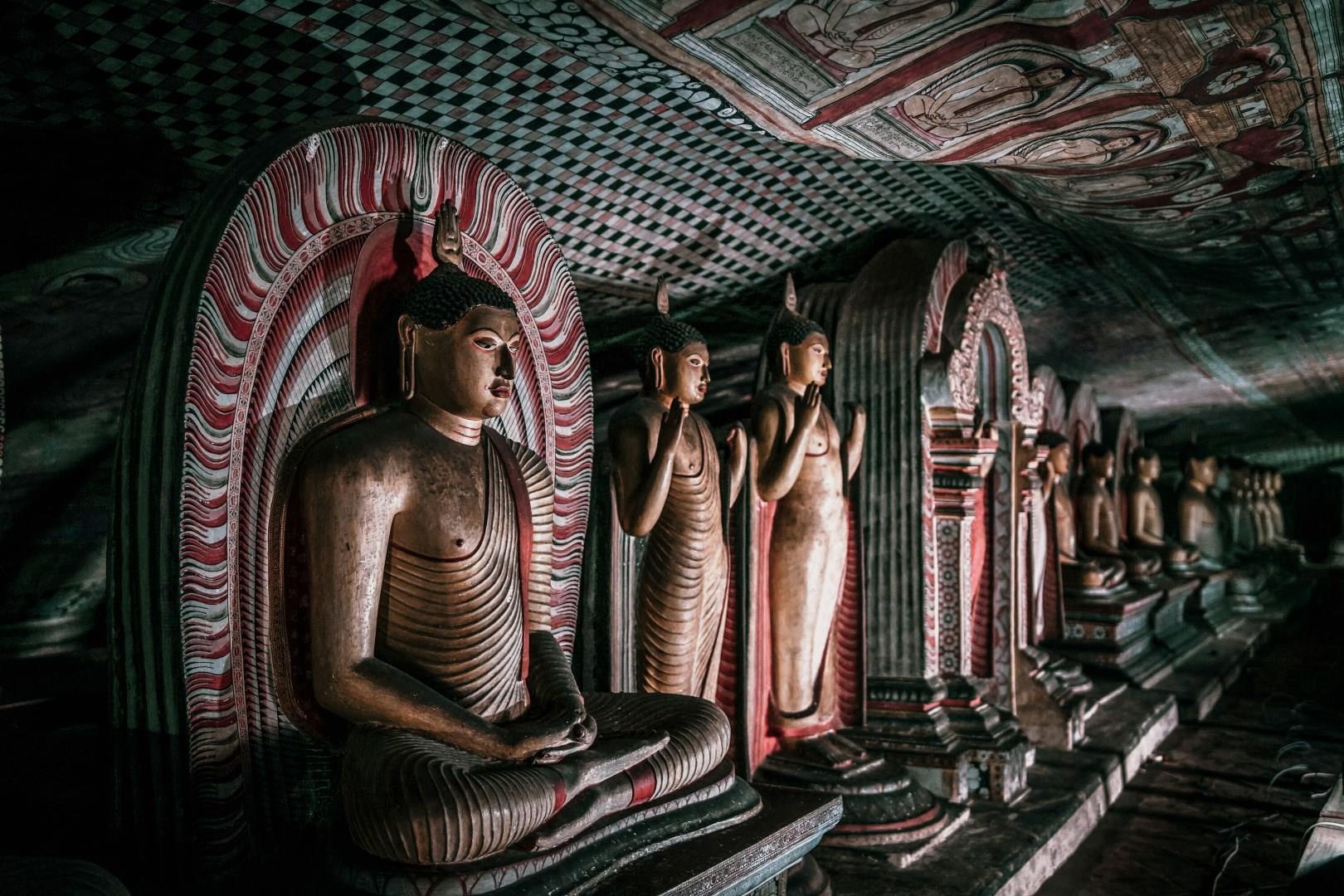
Dambulla, situated in the Central Province of Sri Lanka, is best known for its rock temple complex that has been in use for over two thousand years. The Dambulla Cave Temple, also called the Golden Temple of Dambulla, is made up of five caves carved into a granite outcrop, filled with over 150 Buddha statues and intricate wall paintings. These caves were first used by King Valagamba in the 1st century BCE as a refuge during exile, and later transformed into a sacred site.
Namibia
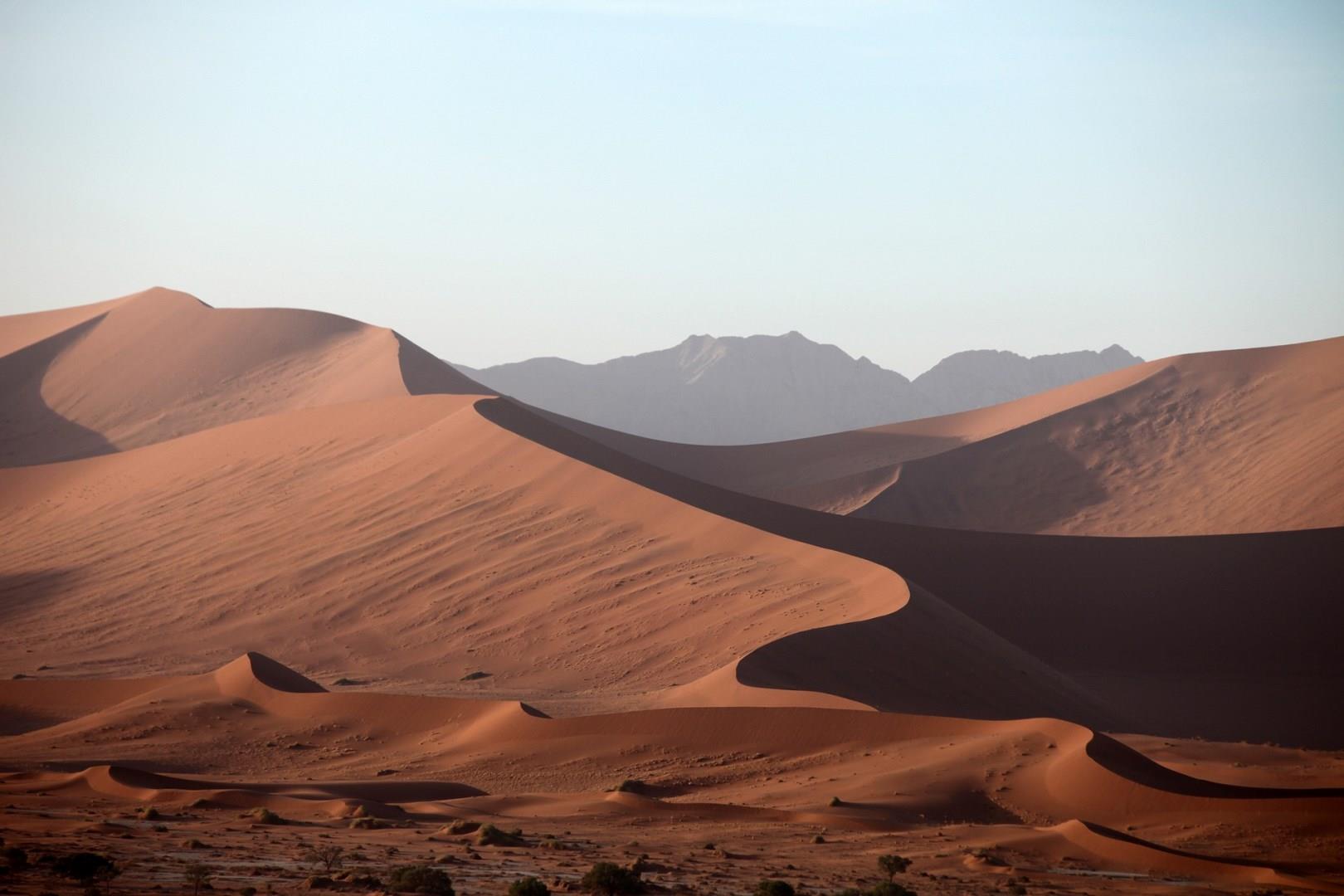
Namibia, in southwestern Africa, is a land of dramatic landscapes and striking contrasts. From the towering sand dunes of the Namib Desert to the rugged mountains and deep canyons of Damaraland, the country offers some of the continent’s most unique scenery.
Oxford
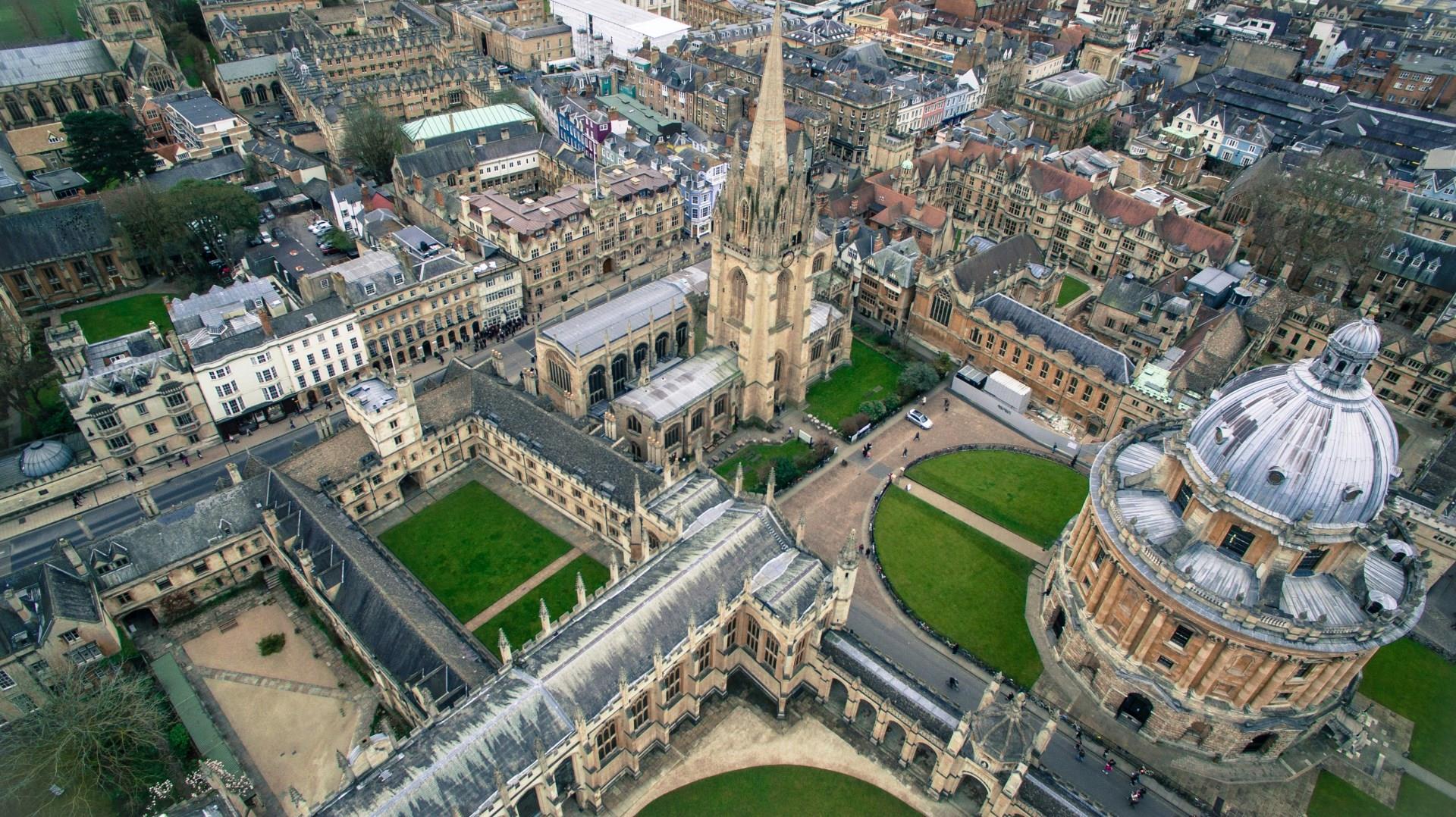
Oxford is best known for its world-famous university, but the city offers much more than historic college halls and ivory towers. Its skyline, shaped by spires and domes, hints at centuries of intellectual life. The University of Oxford dates back to at least the 12th century and includes iconic buildings like the Bodleian Library, one of the oldest libraries in Europe, and the Radcliffe Camera, a circular reading room that looks more like a cathedral than a place for quiet study.
