

Havana
Havana, Cuba's vibrant capital, is a city where the past and present coalesce to create an unforgettable travel experience. Walking through Old Havana (La Habana Vieja), a UNESCO World Heritage site, feels like stepping back in time. The cobblestone streets are lined with pastel-colored colonial buildings, baroque churches, and iconic plazas, such as Plaza de la Catedral and Plaza Vieja, each with its own unique charm and history.
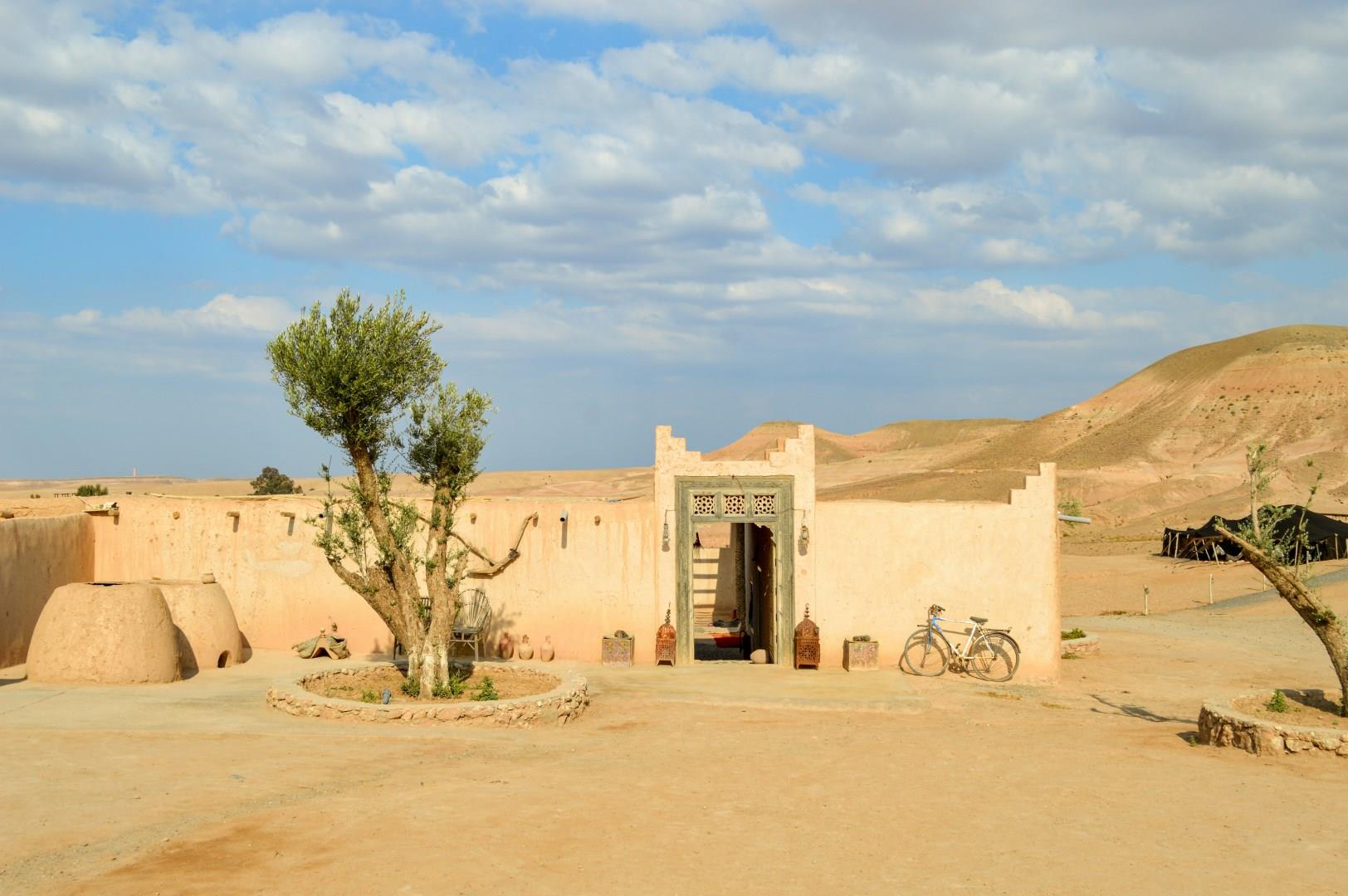
Agafay
Agafay, often called Morocco’s "stone desert," is located just 40 kilometers southwest of Marrakech, but the landscape feels like a different world. Unlike the golden dunes of the Sahara, Agafay stretches out in rolling hills of sand-colored rock and hard-packed earth. It offers the vastness of a desert experience without requiring a long journey from the city.

Liverpool
Northwest England seaport city and the birthplace of the Beatles. Tourism is centered around the city's docks, and no visit is complete without The Beatles Story tour. Live music can be found from day to night at the Cavern Club.

Monteverde
Monteverde, located in the Tilarán Mountains of northwestern Costa Rica, is known for its cloud forests, winding trails, and biodiversity that has drawn researchers and travelers for decades. The area was settled in the 1950s by Quakers from the United States who were looking for a peaceful place to raise dairy cattle. They also played a major role in preserving the local ecosystem, helping to establish the Monteverde Cloud Forest Reserve in 1972.

Doha
Doha presents a journey where heritage and modern design intersect gracefully. The Museum of Islamic Art, designed by I. M. Pei, rises from the Corniche and houses ceramics, textiles, manuscripts, and metalwork spanning fourteen centuries. Nearby, the National Museum of Qatar, shaped like a desert rose, narrates the country's story through immersive exhibits and architecture by Jean Nouvel. These institutions offer perspectives on both art and national identity.
