
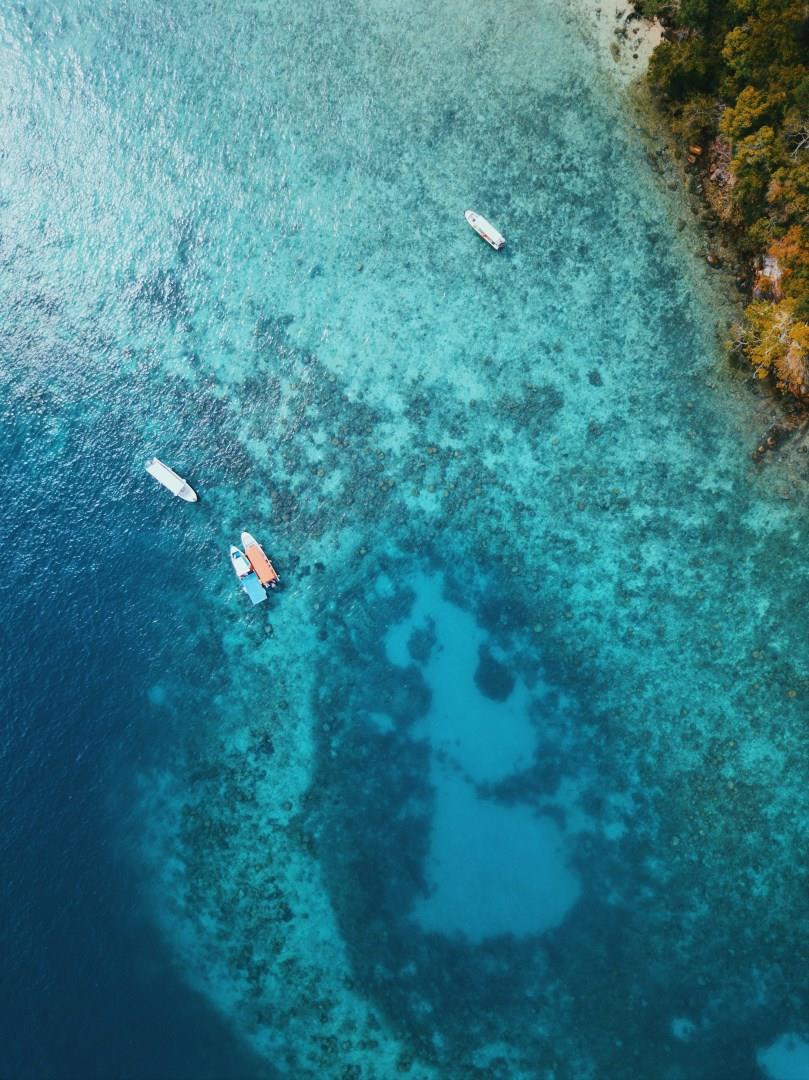
Kota Kinabalu (Borneo)
Kota Kinabalu, the capital of Sabah on the island of Borneo, is a vibrant city where modern life meets wild landscapes. Overlooking the South China Sea and backed by lush rainforests and mountains, it serves as both a cultural hub and a gateway to Borneo’s extraordinary biodiversity.
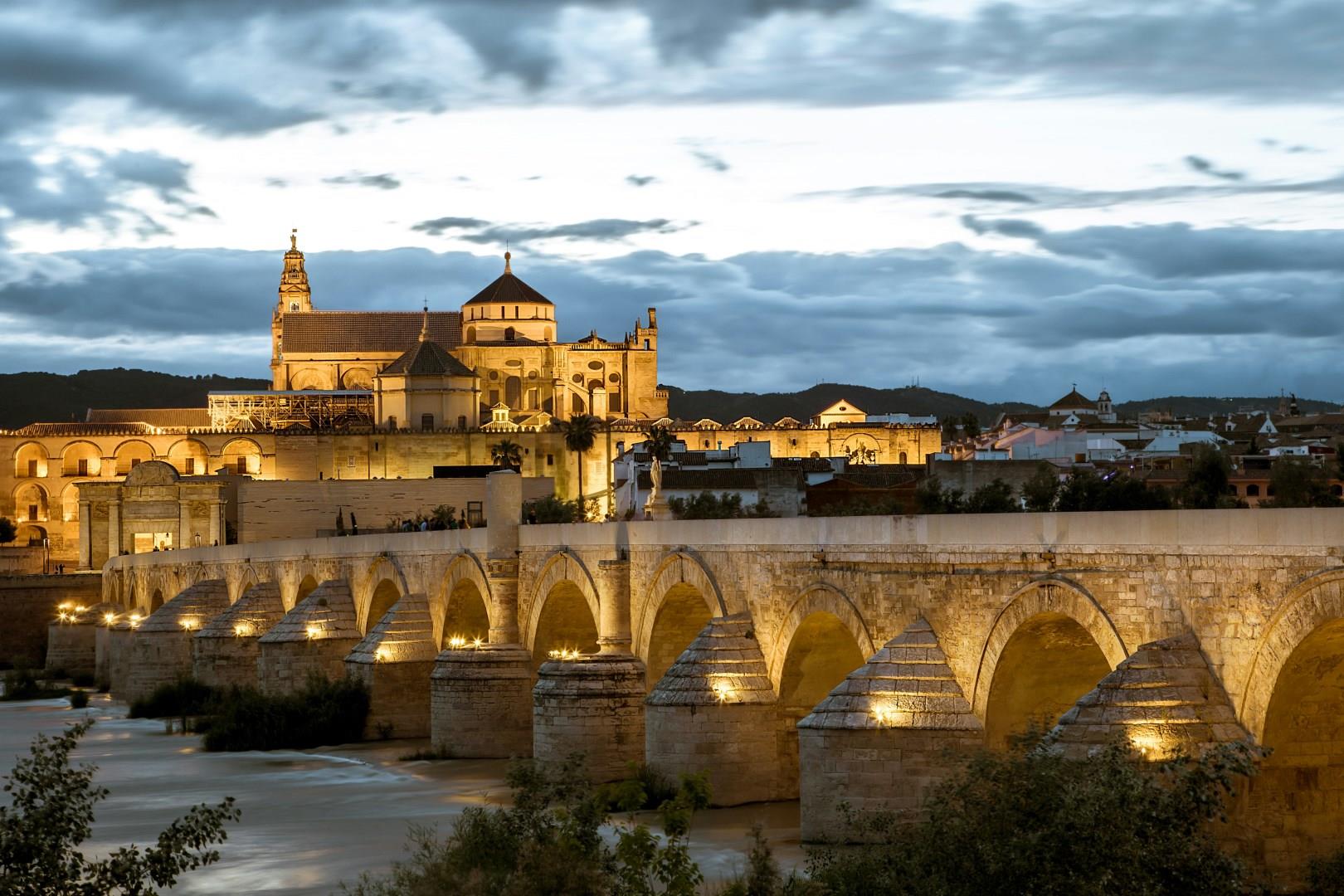
Córdoba
Córdoba, located in the heart of Andalusia, was once the most advanced city in Western Europe. During the 10th century, it served as the capital of Al-Andalus and was a center for learning, science, and art. Today, visitors walk the same streets that philosophers, poets, and physicians once crossed. The city’s most famous landmark, the Mezquita-Catedral, reflects its layered past. The red and white horseshoe arches inside are one of the most photographed interiors in Spain.

Waikiki, Oahu
Waikiki, located on the island of Oahu, is a world-renowned destination that perfectly captures the spirit of Hawaii. Known for its iconic crescent-shaped beach, warm turquoise waters, and vibrant nightlife, Waikiki is where Hawaiian royalty once surfed and relaxed, and it remains a hotspot for both relaxation and adventure today.

Serengeti
Serengeti, Tanzania, is a jewel of the African continent, renowned for its spectacular wildlife and breathtaking landscapes. This iconic destination is synonymous with the Great Migration, one of nature’s most awe-inspiring events. Each year, millions of wildebeest, zebras, and gazelles traverse the Serengeti’s vast plains in search of fresh grazing grounds, creating a dramatic and unforgettable spectacle.

Cederberg
The Cederberg region in the Western Cape of South Africa is a striking land of rocky ridges, wide skies, and quiet valleys. Less than three hours’ drive from Cape Town, the jagged sandstone mountains rise in shapes that seem carved by giants, and shady kloofs hide wonders like ancient rock art that tell stories from thousands of years ago. Hikes to natural landmarks like Wolfberg Arch and the Maltese Cross take visitors deep into terrain shaped by time.
