
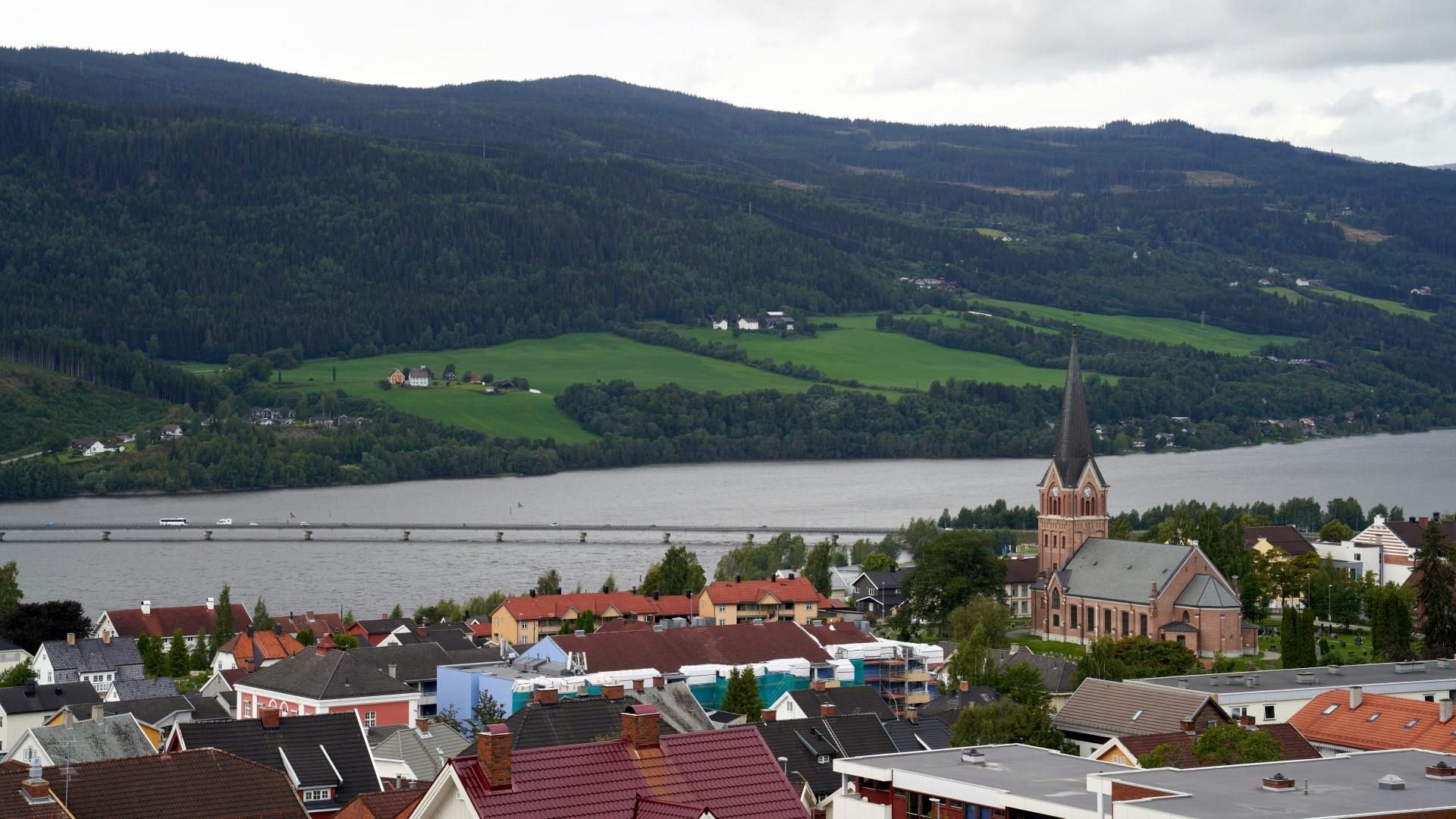
Lillehammer
Lillehammer, nestled along the northern shores of Norway’s Lake Mjøsa and framed by pine-covered hills, is a town that blends natural beauty with cultural richness. Famous for hosting the 1994 Winter Olympics, Lillehammer has leveraged its global spotlight to cultivate attractions that celebrate both its sporting legacy and artistic heritage.
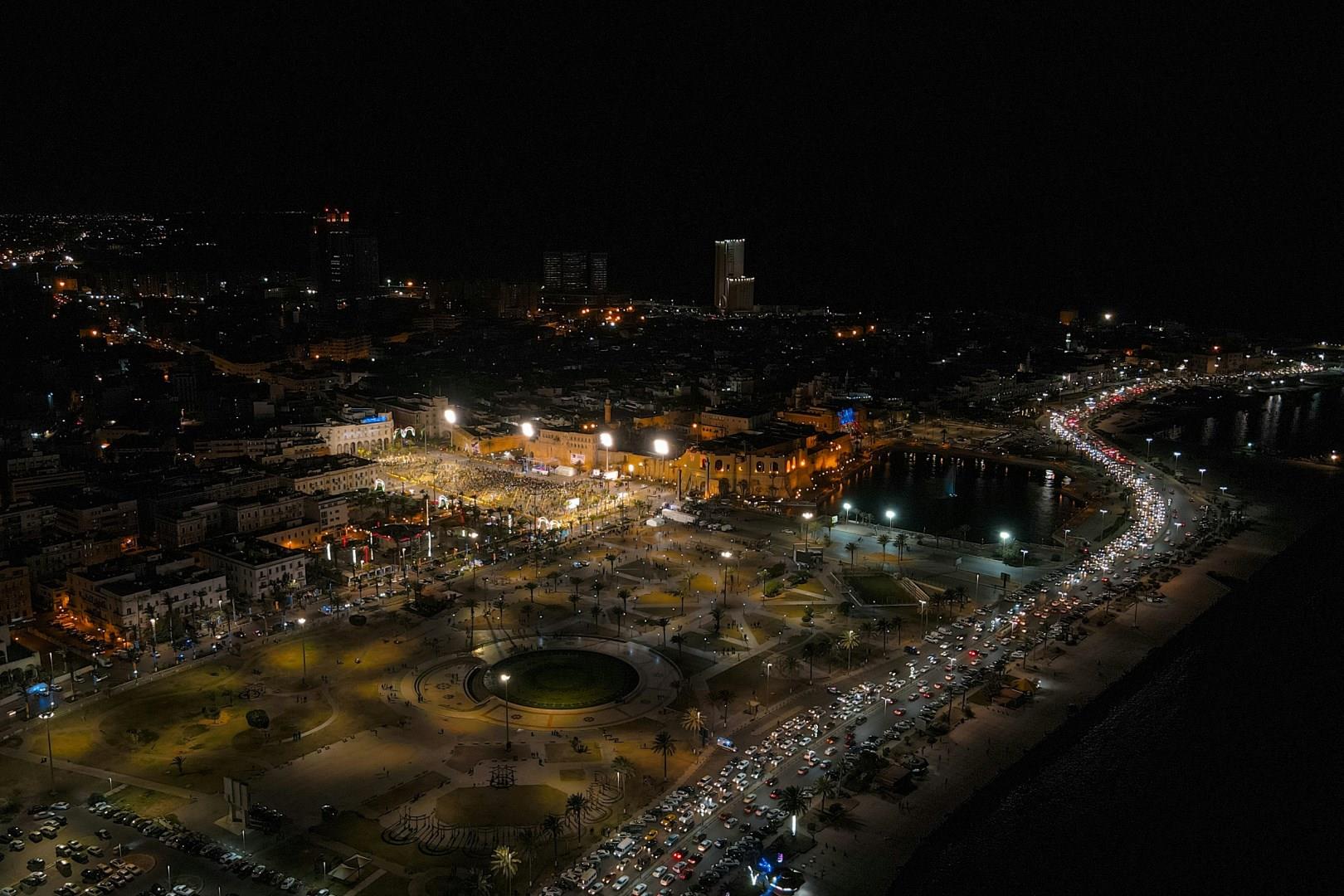
Libya
Libya, located in North Africa along the Mediterranean coast, is a country of vast deserts, ancient history, and dramatic landscapes. Much of its terrain is dominated by the Sahara Desert, with sand dunes, rocky plateaus, and oases shaping life across the country.

Osaka
Osaka is a city that thrives on contrasts with centuries-old castles sit just blocks from neon-lit arcades and high-speed trains. Once known as “Japan’s kitchen” during the Edo period, Osaka played a key role in rice trading and food distribution across the country. Today, visitors can walk the grounds of Osaka Castle, originally built in the 16th century by Toyotomi Hideyoshi, and take in panoramic city views from the top floor of its museum.

Watamu
Watamu, located on Kenya’s picturesque coast, is a paradise for beach lovers and nature enthusiasts alike. Renowned for its pristine white-sand beaches and turquoise waters, Watamu is part of the Watamu Marine National Park, a protected area known for its vibrant coral reefs and rich marine biodiversity. The park is a haven for snorkeling and diving, with opportunities to see colorful fish, sea turtles, and even dolphins.
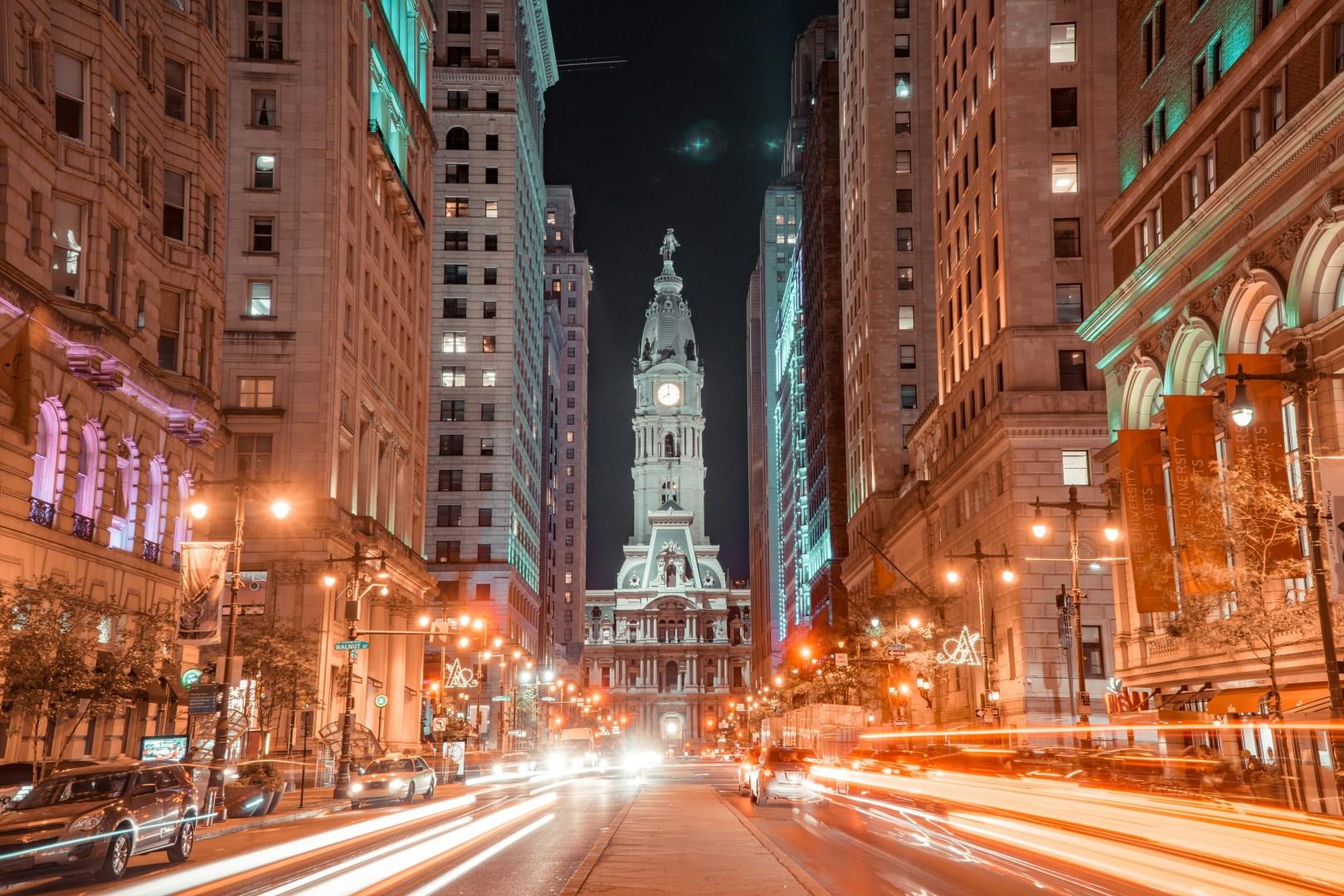
Philadelphia
Philadelphia, the birthplace of American democracy, offers visitors a rare opportunity to walk through the very streets where the nation’s founding ideals were debated, signed, and set into motion. The city's art scene is as bold as its history. The Philadelphia Museum of Art is home to works by Van Gogh, Duchamp, and an entire Japanese teahouse, but it might be better known for the "Rocky Steps" out front, where visitors recreate the famous movie scene daily.
