

Jurassic Coast
The Jurassic Coast, a UNESCO World Heritage Site, is a breathtaking stretch of England’s southern coastline that spans 95 miles from Exmouth in Devon to Studland Bay in Dorset. It is renowned for its dramatic cliffs, stunning beaches, and incredible geological history, offering visitors the chance to explore 185 million years of Earth’s evolution.

Calgary
Calgary, set against the backdrop of Alberta’s prairie landscape and the distant Canadian Rockies, is a city where western heritage and modern innovation meet. Once a hub for cattle ranching and the oil industry, it has grown into one of Canada’s most dynamic urban centers.
Riyadh
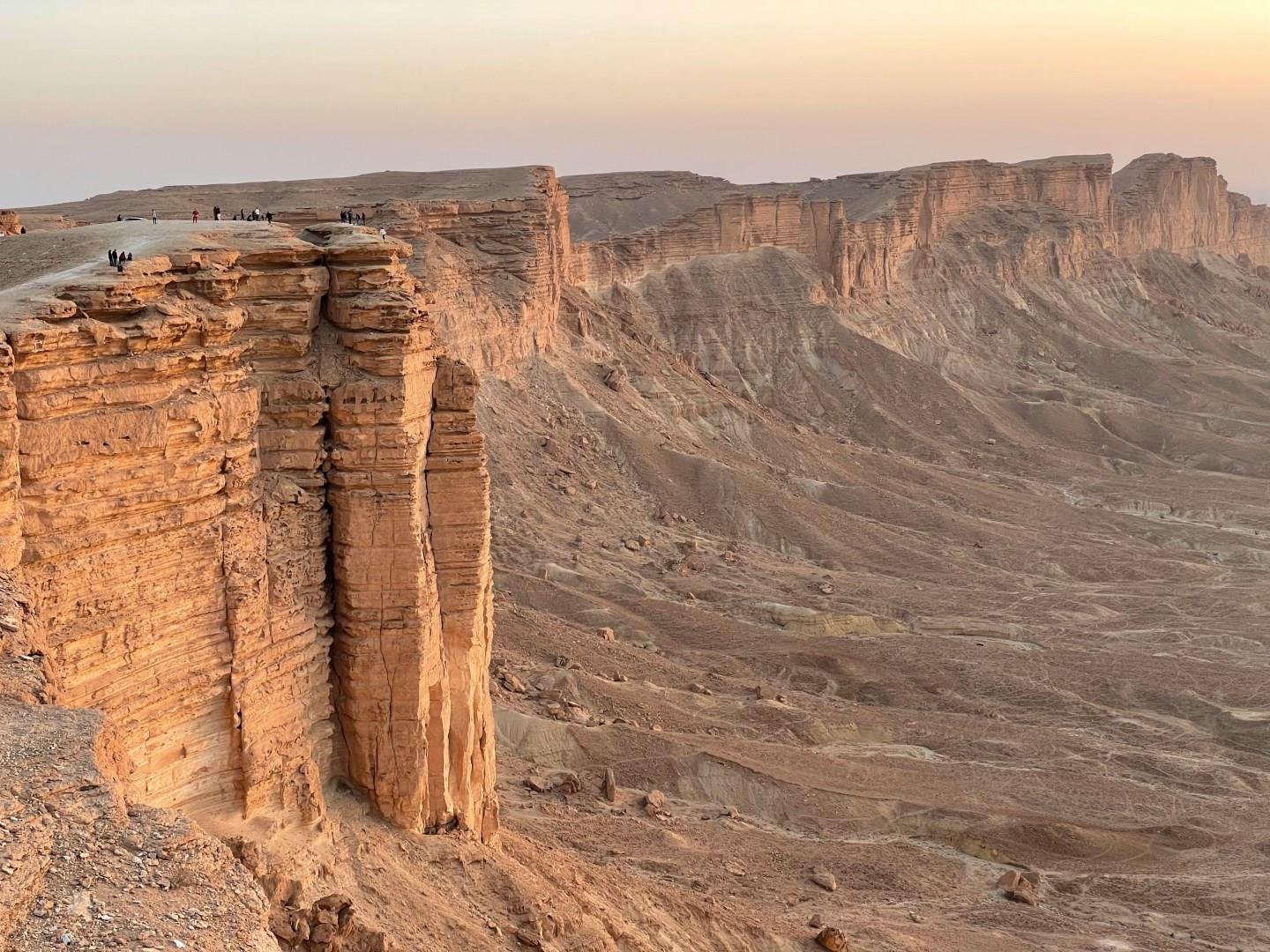
Riyadh blends stories from centuries with modern splendor. At its core stands Al Masmak Fortress, built of clay and mud-brick in the 19th century. It was the site that set the stage for the unification of Saudi Arabia. Today, it’s a museum that preserves weapons, historical displays, and accounts of that pivotal moment. Adjacent to the fortress, the Souq Al-Zal offers spices, traditional jewelry, and handmade crafts, connecting visitors to the city’s past through its alleyways.

Kotor
This coastal town in Montenegro is part of the World Heritage Site dubbed the Natural and Culturo-Historical Region of Kotor. It holds several summer events, such as the Summer Carnival or Bokeljska Noc. One of the most notable and charming aspects of the town is the large population of cats that have become a symbol of the city.

Ottawa
Ottawa, the charming capital of Canada, offers a unique blend of history, culture, and modernity. Nestled along the scenic Ottawa River, the city is home to the iconic Parliament Hill, where the Gothic Revival architecture of the Parliament Buildings stands majestically above the riverbanks. Visitors can witness the ceremonial Changing of the Guard in the summer or explore the Peace Tower for panoramic views of the city.
