
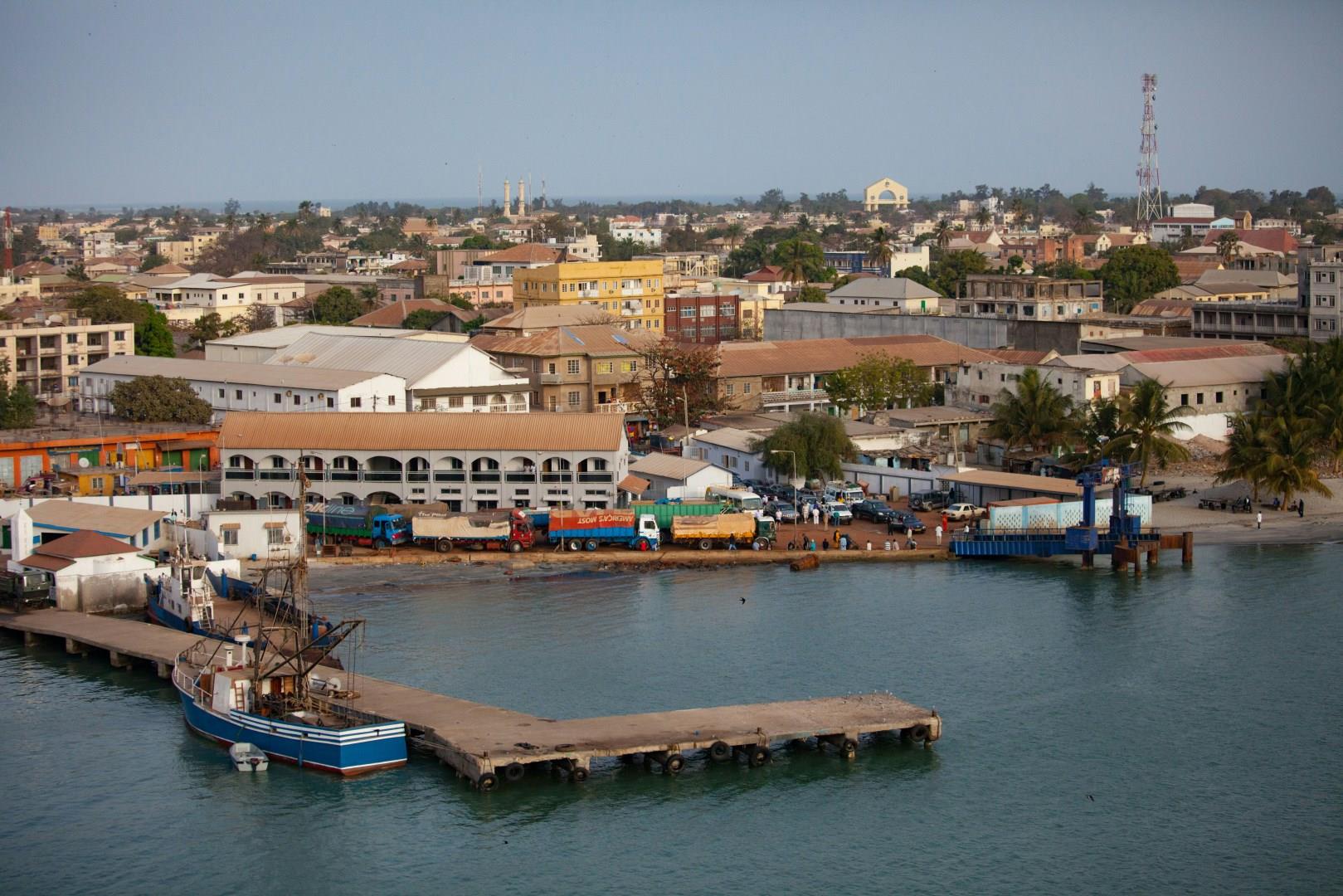
Banjul
Banjul, the capital of The Gambia, is located on St. Mary’s Island at the mouth of the Gambia River, giving it a unique waterfront setting.

Messina, Sicily
This Sicily harbor city is divided from Italy proper by the Strait of Messina. Visitors marvel at the Gothic, bell-towered Norman Messina Cathedral.

Burlington
Nestled along the shores of Lake Champlain, Burlington, Vermont, is a charming city that offers a blend of outdoor adventure, rich culture, and a vibrant arts scene. With the majestic Adirondack Mountains to the west and the Green Mountains to the east, Burlington is an ideal destination for those seeking natural beauty and a laid-back atmosphere. The city's waterfront is a must-see, featuring the scenic Burlington Bike Path that winds along the lake, offering breathtaking views, beaches, and pa
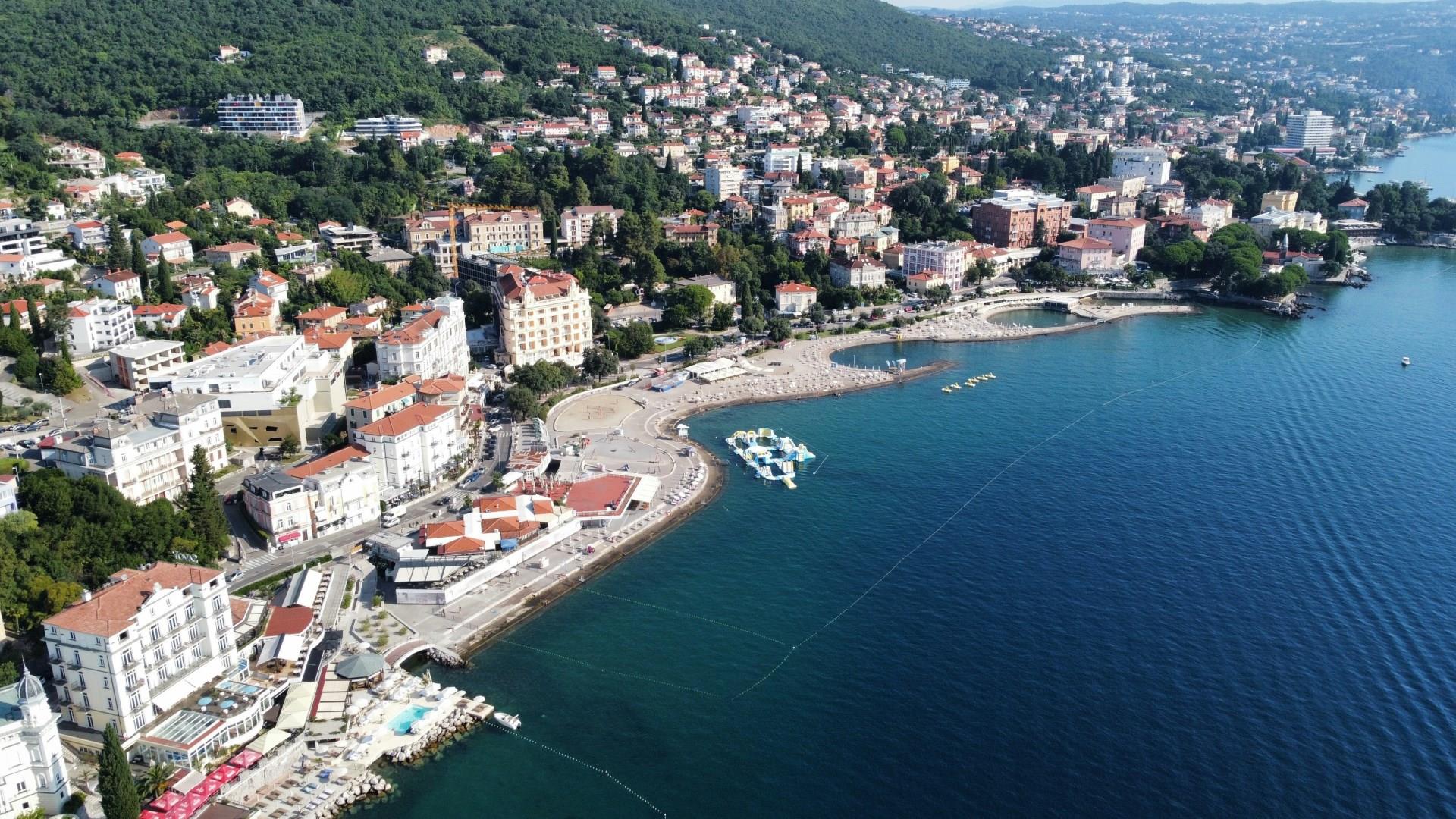
Opatija
Opatija, located on Croatia’s Kvarner Bay, has been drawing visitors since the 19th century, when Austro-Hungarian aristocrats built grand villas along its Adriatic shoreline. Today, many of those same buildings still stand with some restored as luxury hotels and others preserved as cultural landmarks. The town’s most recognizable structure, Villa Angiolina, opened in 1844 and marked the start of Opatija’s rise as a fashionable seaside resort.

Cienfuegos
Cienfuegos, located on Cuba’s south coast along a sheltered bay, stands apart from many other Cuban cities due to its distinct European origins. Founded in 1819 by French settlers, the city developed with a carefully planned layout, wide avenues, and neoclassical architecture that earned it the nickname “La Perla del Sur.”
