

Aarhus
Aarhus, Denmark's second-largest city, offers a captivating blend of historical charm and modern vibrancy. Founded in the 8th century, Aarhus boasts a rich history that visitors can explore at the Old Town Museum, an open-air museum that recreates Danish life through the ages with its historical buildings and interactive exhibits. The city's medieval roots are also visible in the well-preserved Aarhus Cathedral.
St. Helena
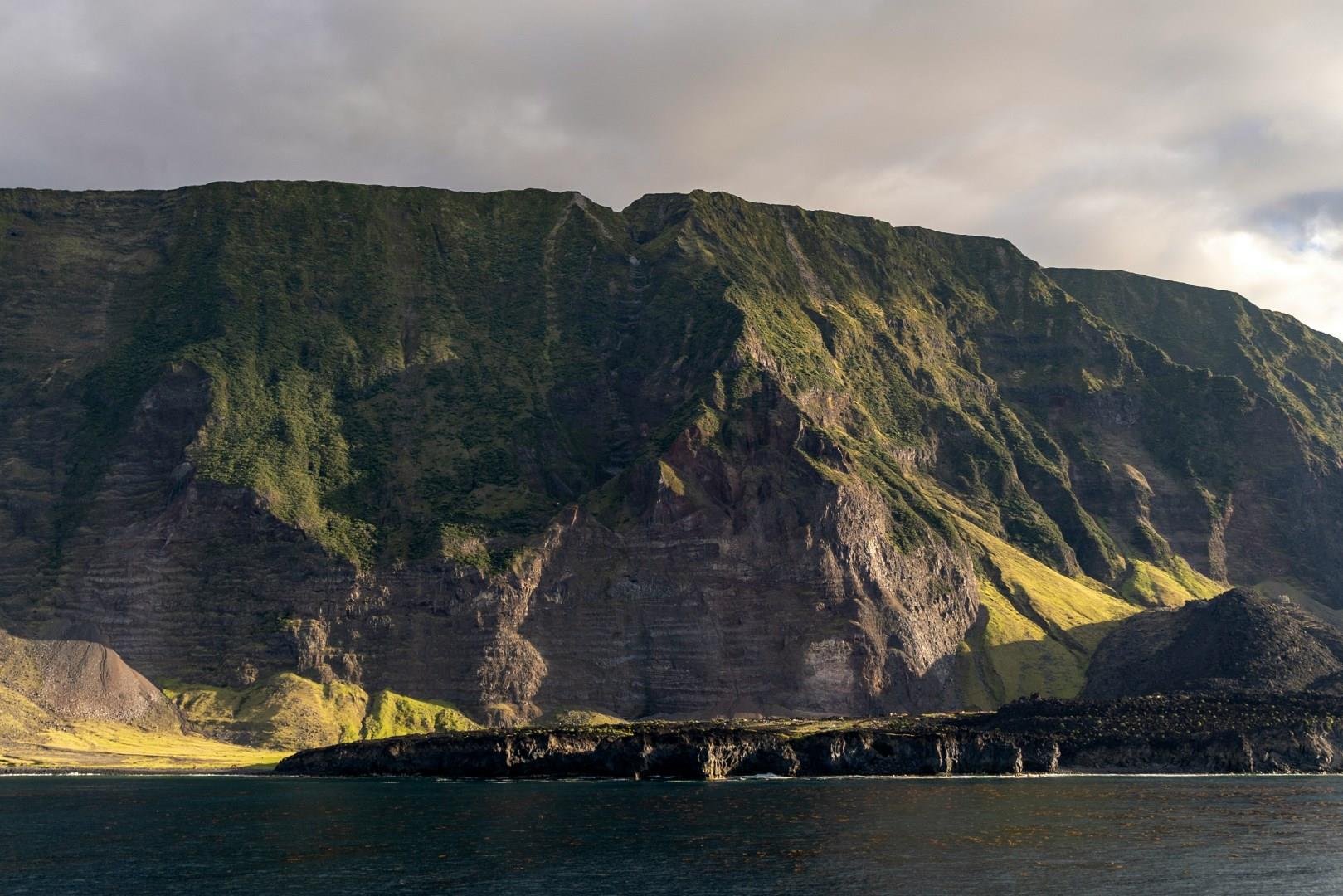
St. Helena is a remote island in the South Atlantic Ocean, known for its dramatic cliffs, volcanic landscapes, and rich history. It is most famous as the place where Napoleon Bonaparte spent his final years in exile, and visitors can explore Longwood House and other historic sites that tell the story of this period.

Douala
Douala is Cameroon’s largest city and its economic powerhouse, but beyond the busy ports and bustling streets lies a city full of creativity, flavor, and unexpected charm. Located on the Atlantic coast, Douala has long served as a crossroads of cultures. The city's waterfront, especially along the Wouri River, is a great place to watch the movement of boats, local fishermen, and floating markets while soaking in the tropical coastal air.

Glastonbury
Glastonbury, a town in Somerset, England, is steeped in mysticism and historical allure. Known for its rich Arthurian legends and spiritual significance, Glastonbury is a must-visit for those fascinated by mythology and history. The town’s centerpiece is the majestic Glastonbury Abbey, a grand ruin once one of the most powerful monasteries in England. Founded in the 7th century, the Abbey is famously linked to the legend of King Arthur and his supposed final resting place.

Darwin
Tropical beaches, green space, wildlife, and dazzling sunsets all draw tourists to Darwin. Visitors should also discover the city's art museums, Mindil Beach's night markets and the local seafood. And did you know that this area of Australia has more crocodiles than anywhere on the planet?
