

Greenock
Greenock, located on Scotland’s scenic west coast, is a town steeped in maritime and industrial history, with its historic waterfront and Victorian architecture offering a glimpse into its prosperous past. Once a shipbuilding powerhouse, the town’s legacy is visible in landmarks like James Watt Dock and the Old West Kirk, while the nearby Greenock Cut offers a peaceful escape for walking and cycling, framed by stunning views of rolling hills and the River Clyde.

Dominica
Dominica, known as the “Nature Island of the Caribbean,” is a haven for eco-tourists and adventure seekers. Nestled between the French islands of Guadeloupe and Martinique, this lush island boasts a remarkable landscape of volcanic mountains, dense rainforests, and stunning waterfalls. Dominica’s most iconic natural wonder is the Boiling Lake, the second-largest hot spring in the world.
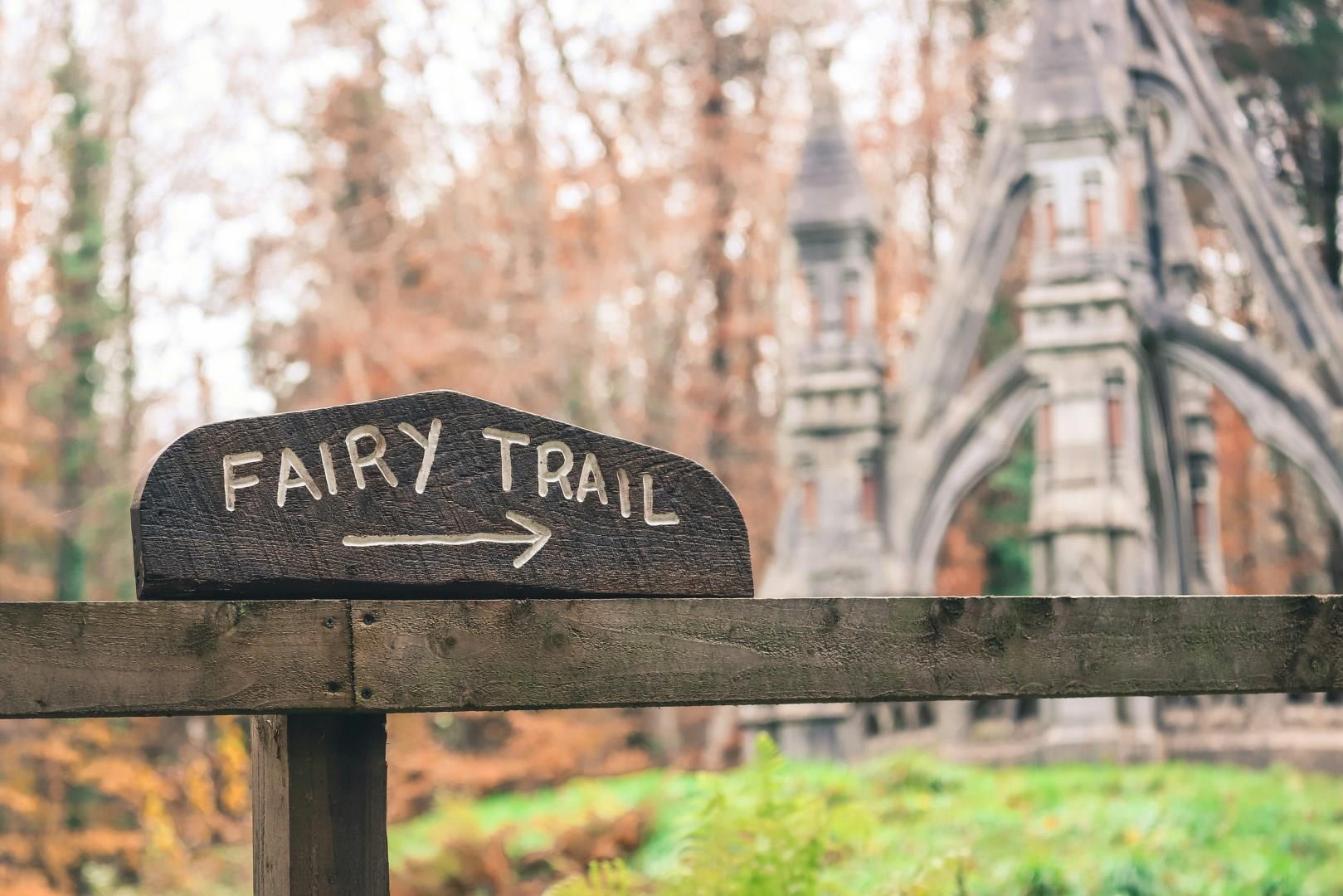
Belleek
Belleek is a small village in County Fermanagh, Northern Ireland, set where the River Erne widens toward the Atlantic.

Ranthambore National Park
Ranthambore, a gem of Rajasthan, India, is where wildlife and history intertwine seamlessly to create an unforgettable travel experience. Famous for the Ranthambore National Park, this destination is a haven for those seeking a close encounter with nature’s most magnificent creatures. The park, once the hunting grounds of the Maharajas of Jaipur, now stands as a vital sanctuary for Bengal tigers, leopards, sloth bears, and over 300 species of birds.
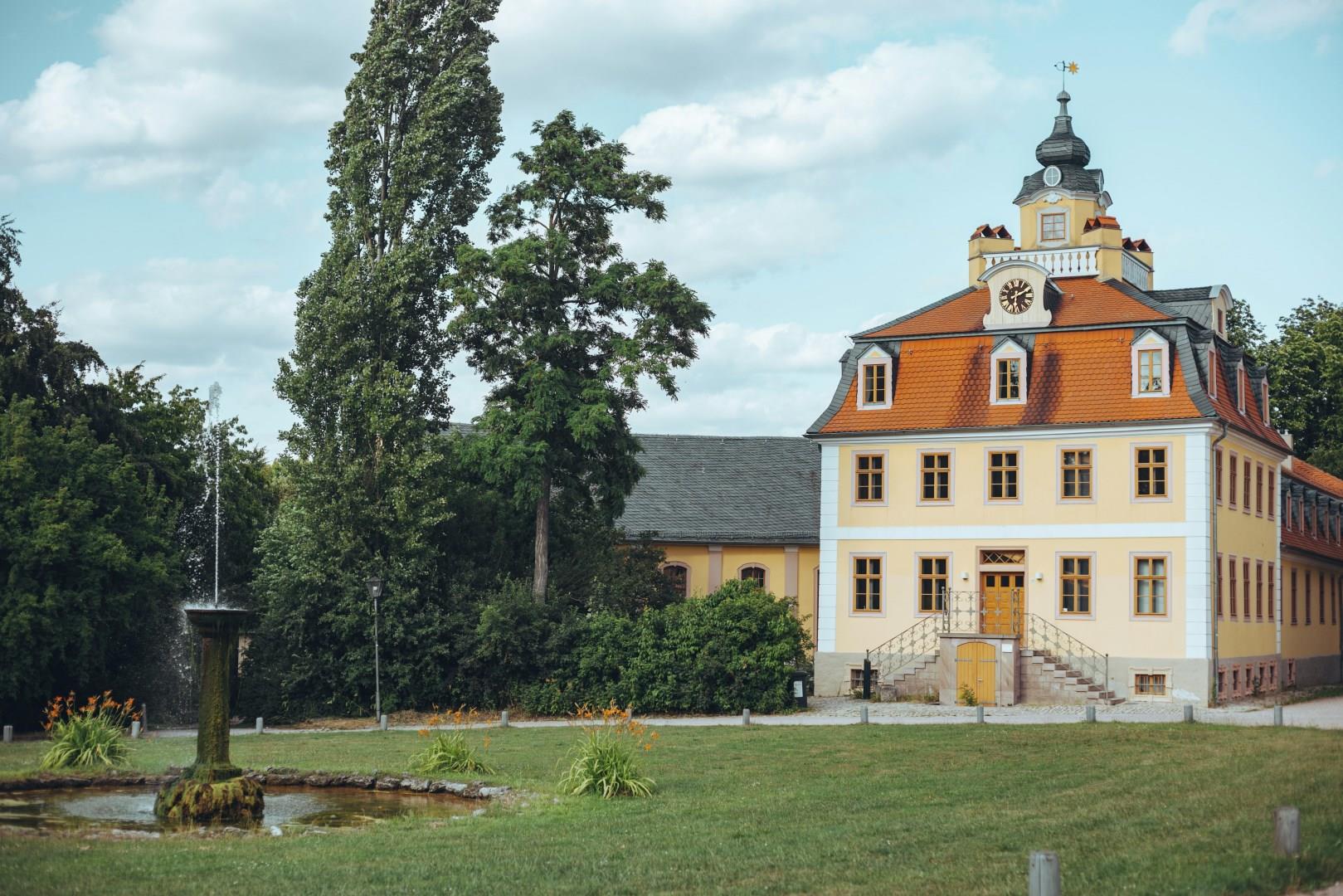
Weimar
Weimar, located in the heart of Germany’s Thuringia region, is a city renowned for its cultural heritage, classical architecture, and pivotal role in European history.
