

Monastir
Monastir, a coastal gem in Tunisia, offers a perfect blend of history, culture, and sun-soaked relaxation. Overlooking the azure waters of the Mediterranean Sea, the city is famous for its majestic Ribat, a well-preserved Islamic fortress dating back to 796 AD. This imposing structure, used historically to defend against Byzantine and European invaders, offers visitors panoramic views of the coastline and the city below.
Alajuela
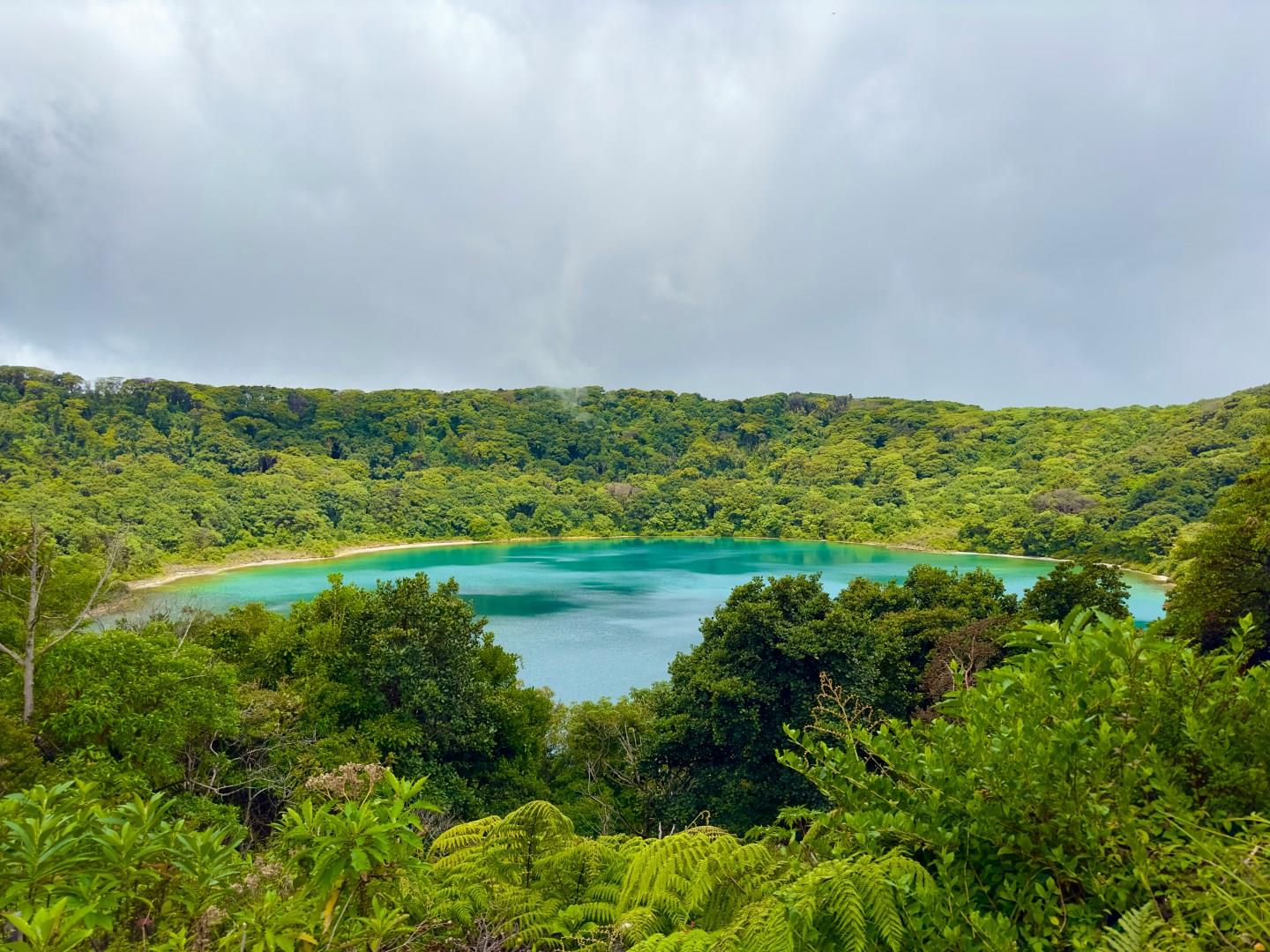
Alajuela, Costa Rica’s second-largest city, offers a mix of history, culture, and natural wonders that make it more than just the gateway to Juan Santamaría International Airport. The city’s central park, cathedral, and museums create a lively hub where local life unfolds, from weekend markets filled with fresh produce to festivals celebrating music and tradition.
Engelberg
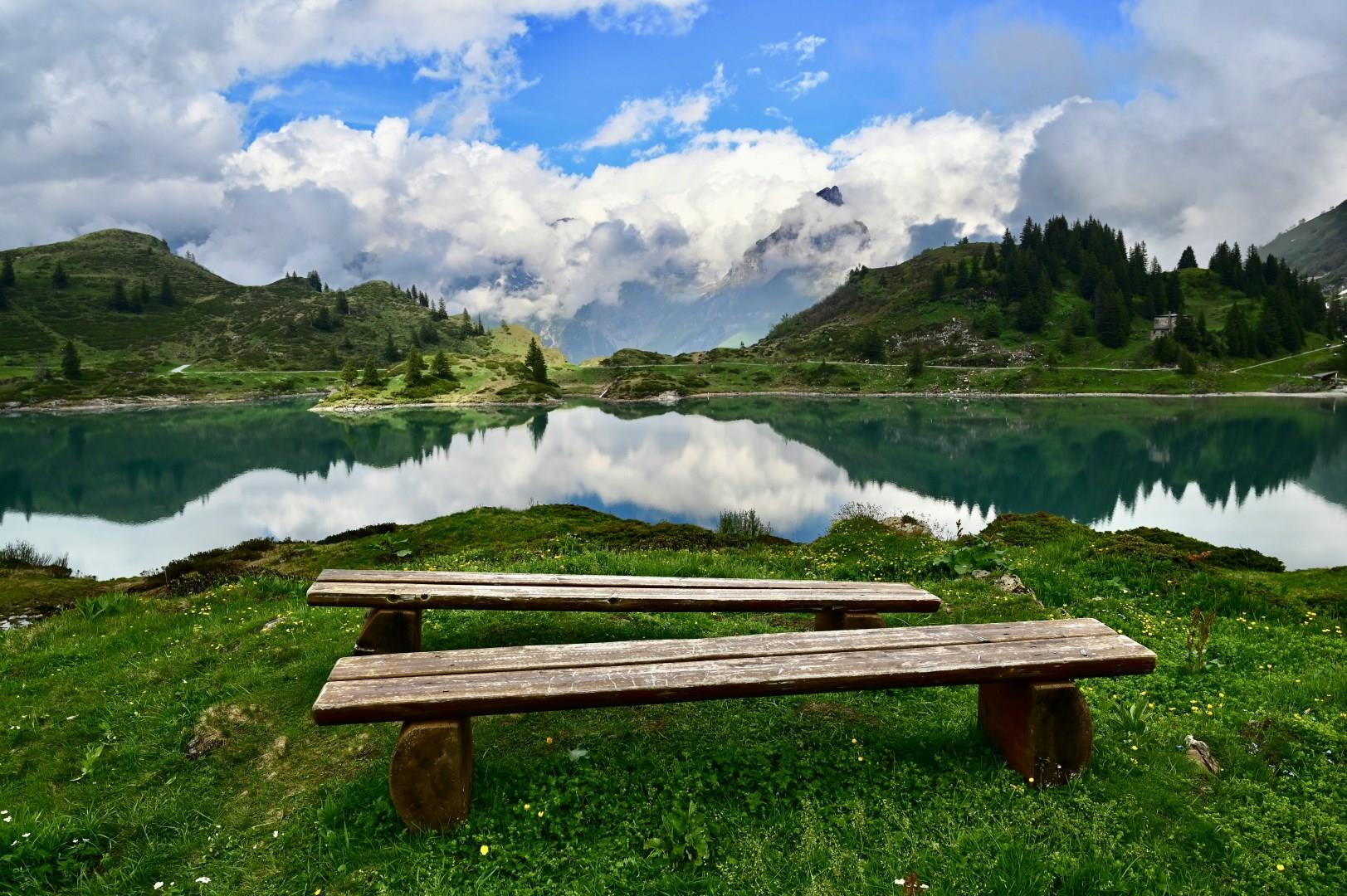
In Engelberg visitors can enjoy activities in all seasons. In winter, snow covers long ski runs, and slopes of all levels stretch down towards the valley. In warmer months, the same lifts take hikers to high meadows where paths lead past lakes and ridges with spectacular views. Down in the valley, the Brunni area has gentle slopes, a summer toboggan run, and even barefoot trails around quiet ponds, offering a different side of the Alps.

Costa Brava
The Costa Brava coastal region, in northeastern Spain, offers excellent beaches and a typical Mediterranean climate, making it an enticing holiday destination. While parts of the Costa Brava coastline have been exploited by large-scale tourist developments, other areas have retained their traditional roots.
Portugal
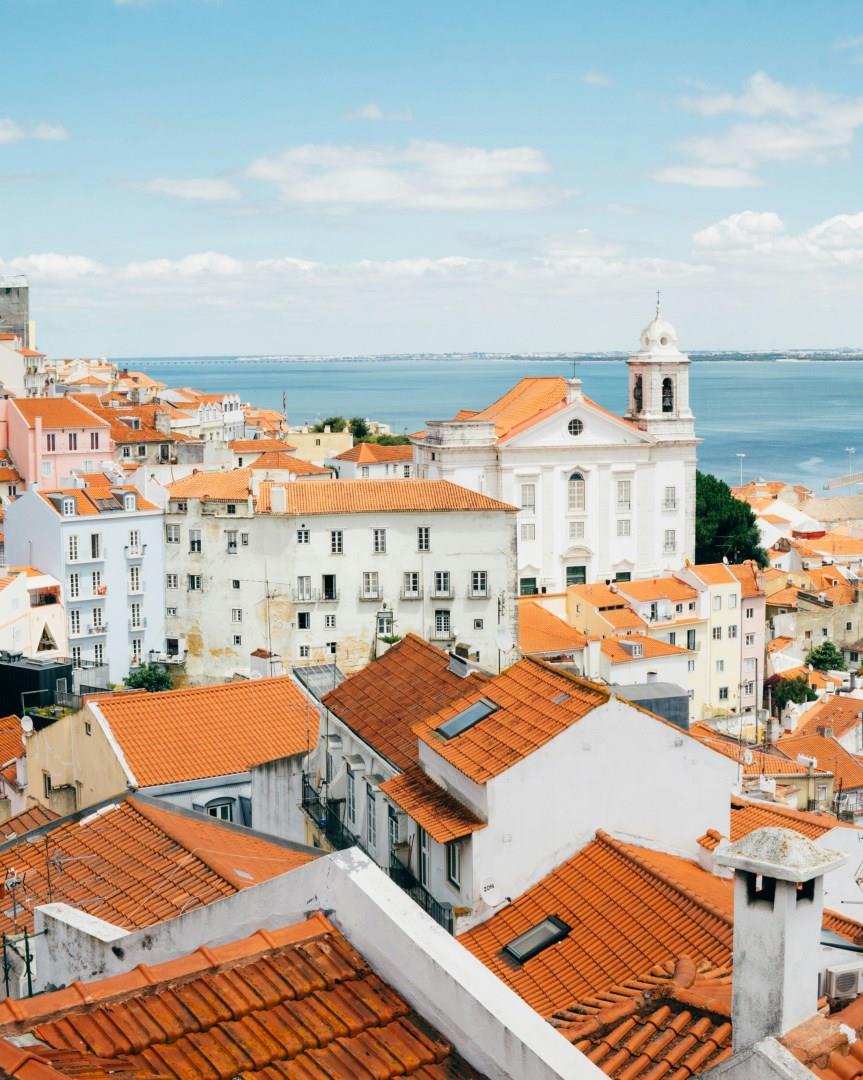
Portugal offers a layered experience shaped by maritime history, deep-rooted traditions, and a coastline that stretches for nearly 1,800 kilometers. In Lisbon, the streets of Alfama wind uphill toward São Jorge Castle, where views of red-tiled rooftops and the Tagus River reveal how the city was rebuilt after the 1755 earthquake. Trams still clatter through narrow streets, and fado music, often performed in candlelit taverns, tells stories of longing and the sea.
