
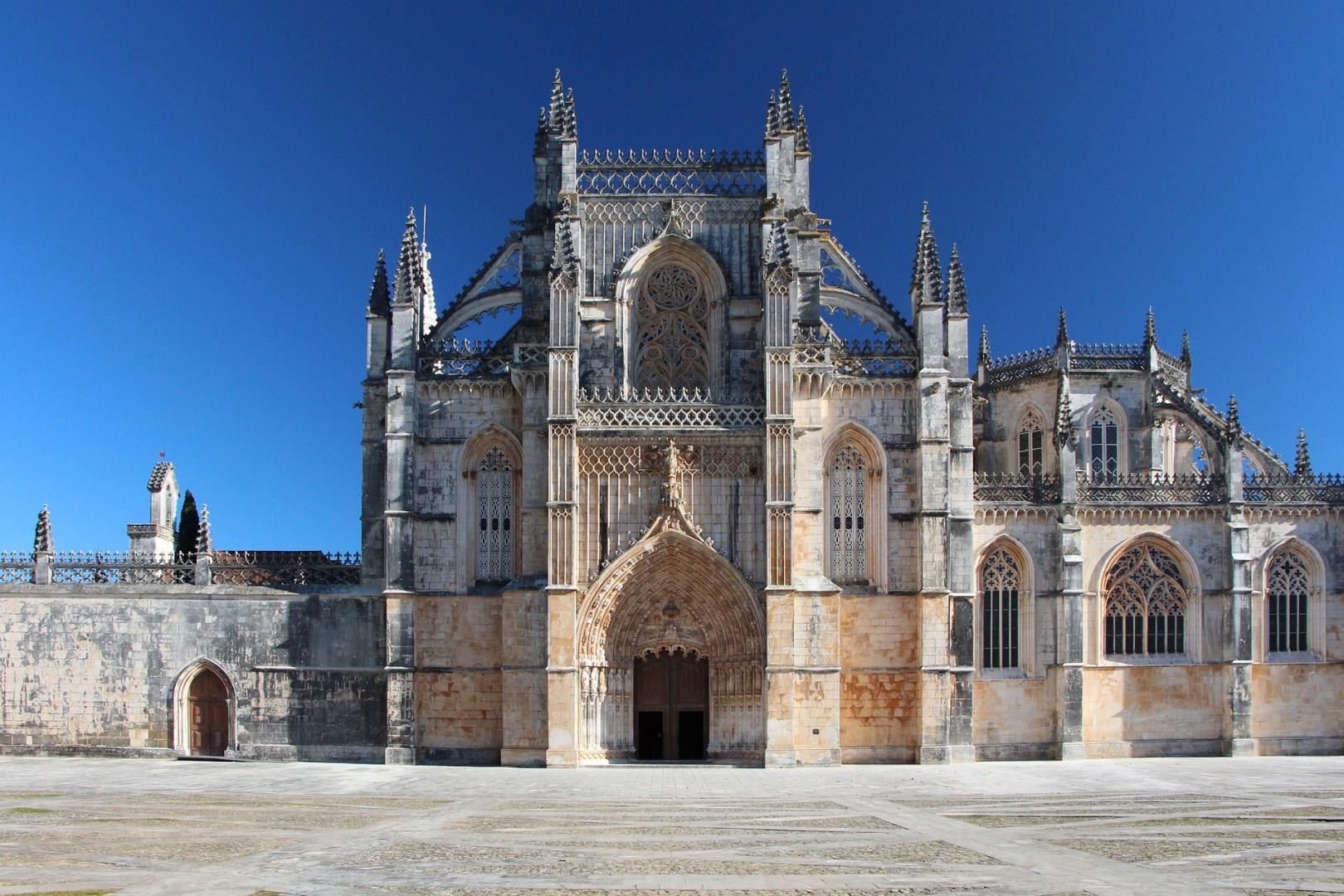
Batalha
Batalha, a small town in central Portugal, is steeped in history and home to one of the country’s most magnificent monuments, the Batalha Monastery. This UNESCO World Heritage Site, also known as the Monastery of Santa Maria da Vitória, was built to commemorate the Portuguese victory over Castile at the Battle of Aljubarrota in 1385. I

Uluru National Park
Uluru-Kata Tjuta National Park, national park in the Northern Territory, Australia, in the arid center of the continent, southwest of Alice Springs. The area was established as Ayers Rock/Mount Olga National Park in 1958 and renamed Uluru National Park in 1977.

Guernsey
Guernsey, the second-largest of the Channel Islands, blends coastal landscapes with a deep-rooted history shaped by centuries of outside influence. Though located closer to France than to mainland Britain, Guernsey is a British Crown Dependency with its own government and a distinct identity. The capital, St Peter Port, is a hillside town overlooking a natural harbor, where visitors can explore narrow lanes, stone stairways, and 18th-century buildings.
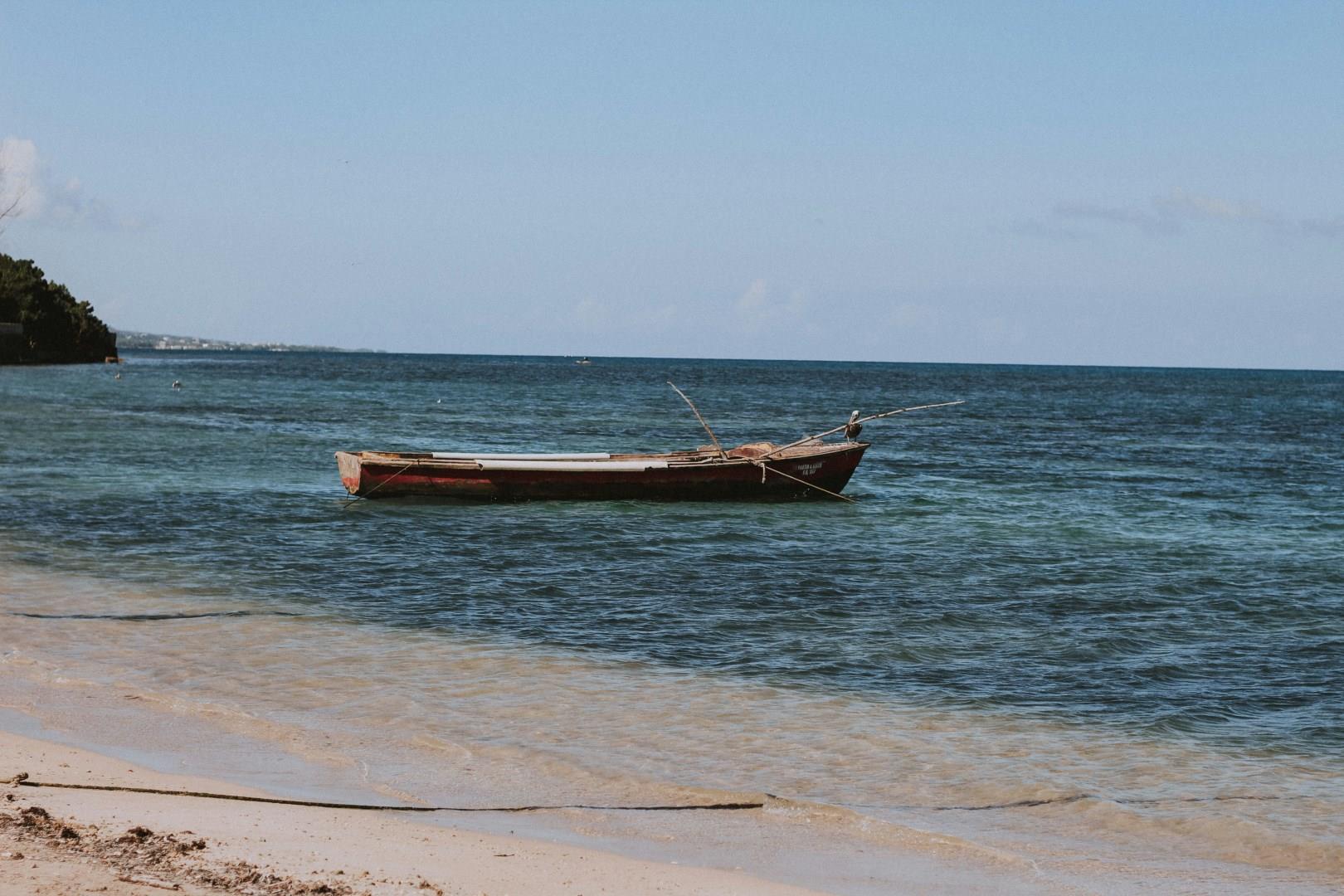
Falmouth
Falmouth, a charming port town on Jamaica’s north coast, offers a delightful mix of history, culture, and natural beauty. Founded in the 18th century, Falmouth is renowned for its well-preserved Georgian architecture, a testament to its once-thriving sugar trade.
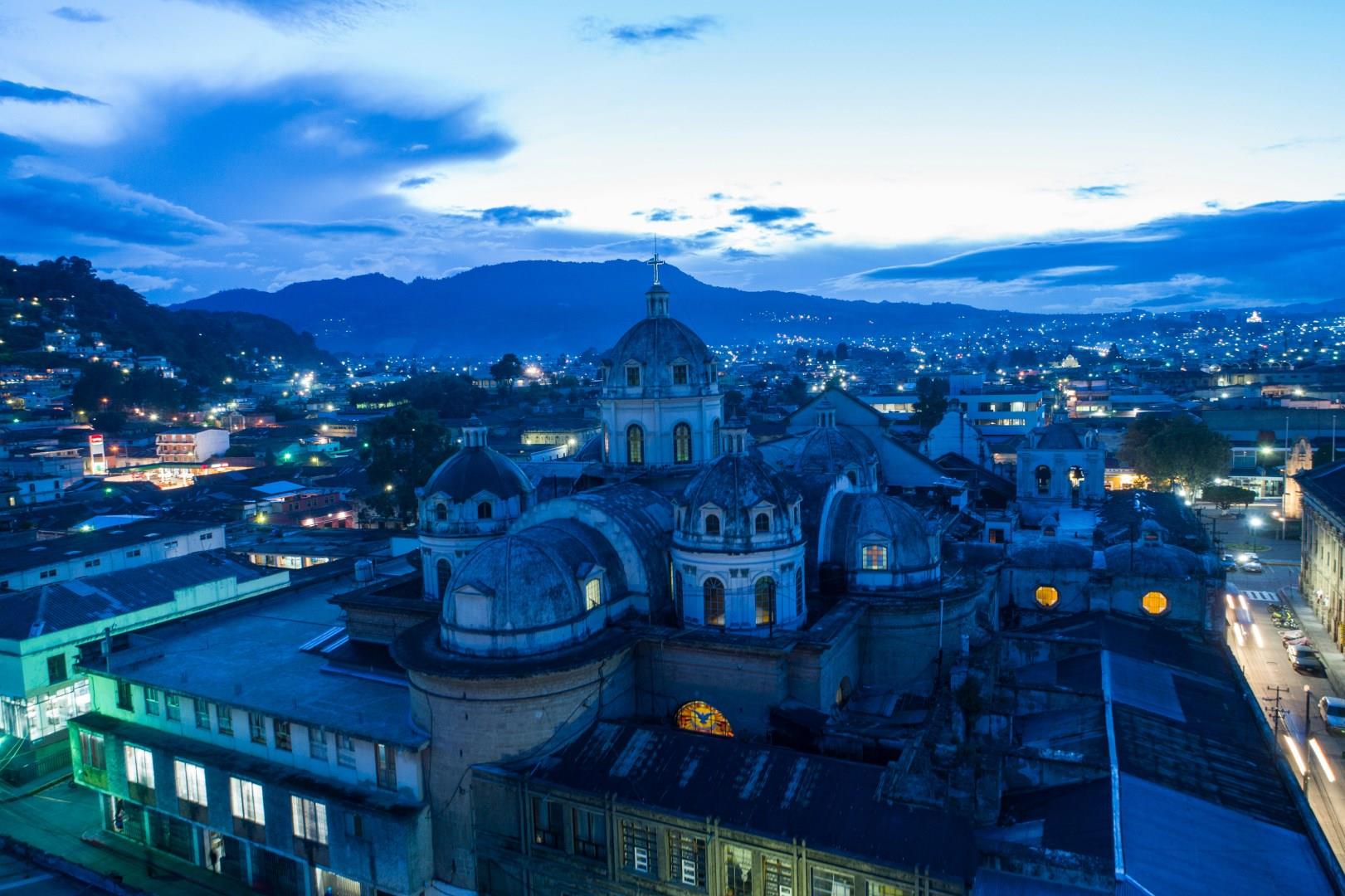
Quetzaltenango
Quetzaltenango, often called Xela by locals, is Guatemala’s second-largest city and a hub of indigenous culture, colonial history, and highland landscapes. Surrounded by volcanoes, including the towering Santa María, the city sits at over 7,600 feet above sea level, giving it a crisp mountain climate that contrasts with the country’s tropical lowlands.
