

Nelson Lakes National Park
Nestled in the heart of New Zealand's South Island, Nelson Lakes National Park is a paradise for nature enthusiasts and adventure seekers alike. This breathtaking park is renowned for its stunning lakes, dense beech forests, and rugged mountains. The twin lakes, Rotoiti and Rotorua, are the park's crown jewels, offering crystal-clear waters framed by lush greenery. Visitors can explore these serene lakes by taking a scenic boat ride or embarking on a picturesque hike along their shores.

La Spezia
La Spezia, a bustling port city in the Liguria region of Italy, is often seen as the gateway to the famous Cinque Terre, bur this vibrant city has much to offer. Visitors can explore the historic center, visit local markets, and partake in a variety of restaurants serving delicious Italian cuisine.
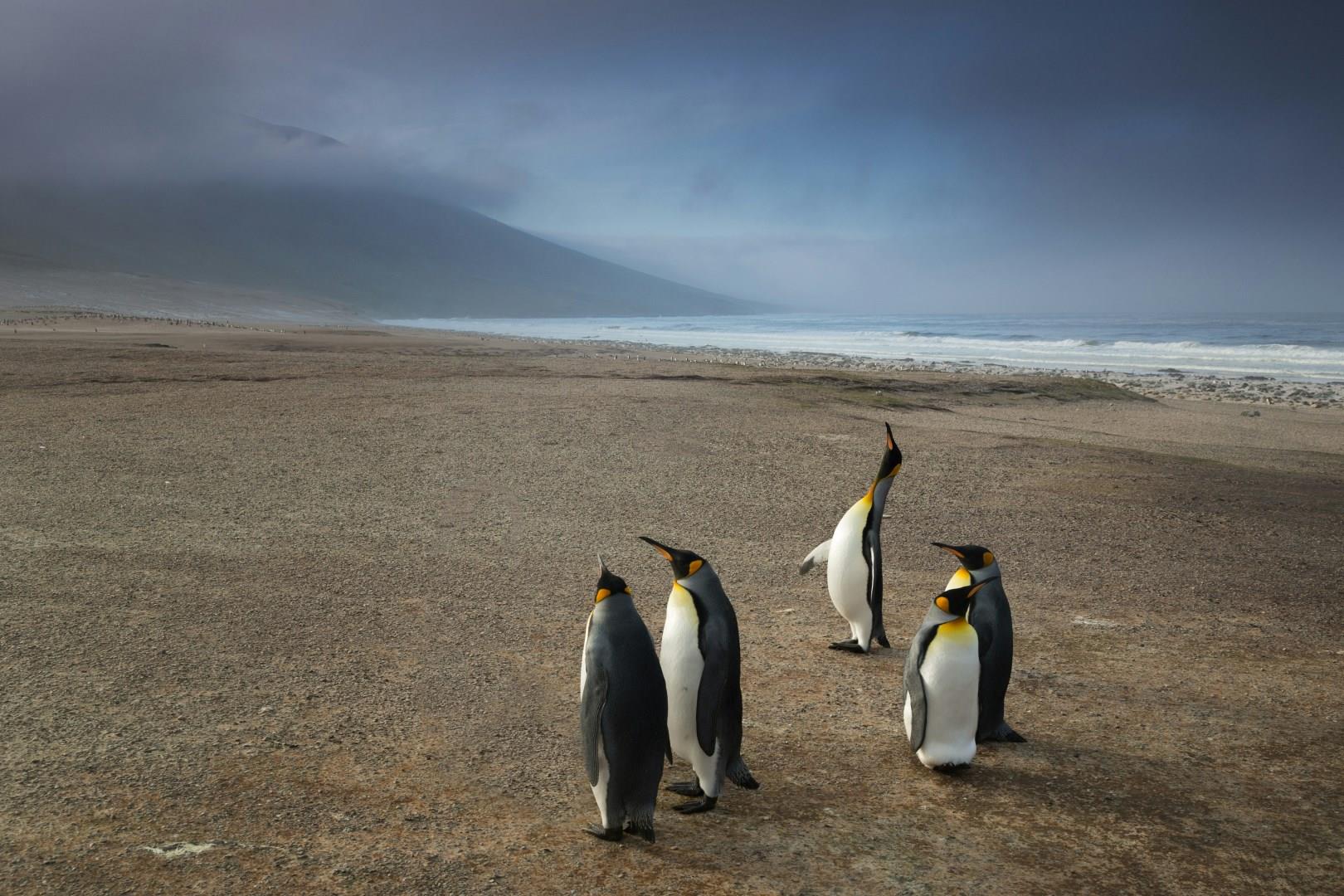
Falkland Islands
The Falkland Islands, a remote archipelago in the South Atlantic, offer a striking combination of wild open spaces, rich wildlife, and a way of life shaped by wind, sea, and resilience. With fewer than 3,500 residents spread across over 700 islands, the Falklands provide a rare opportunity to disconnect from busy modern life and connect with wide skies, rugged coastlines, and some of the most accessible wildlife experiences on the planet.

Koper
Located on the Adriatic, Koper is a coastal port city in Slovenia. Koper is home to a variety of architectural gems dating back centuries, especially near the city's central Tito Square. Koper's marina and beaches provide spectacular views of the Bay of Trieste, while the city's variety of museums, parks, restaurants, and bars offer plenty to explore and entertain.
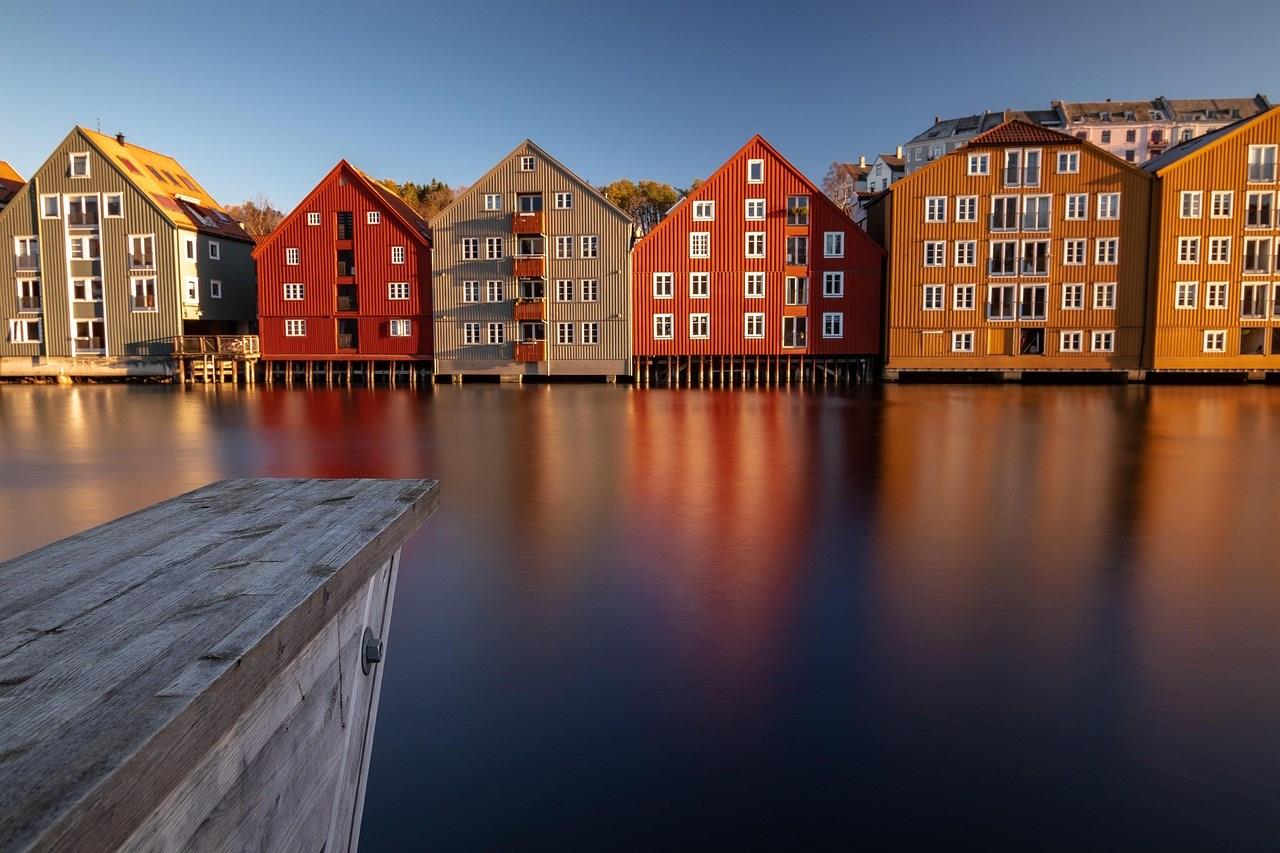
Sognefjord
Sognefjord stretches over 200 kilometers into Norway’s mountainous interior, making it the country’s longest and deepest fjord.
