
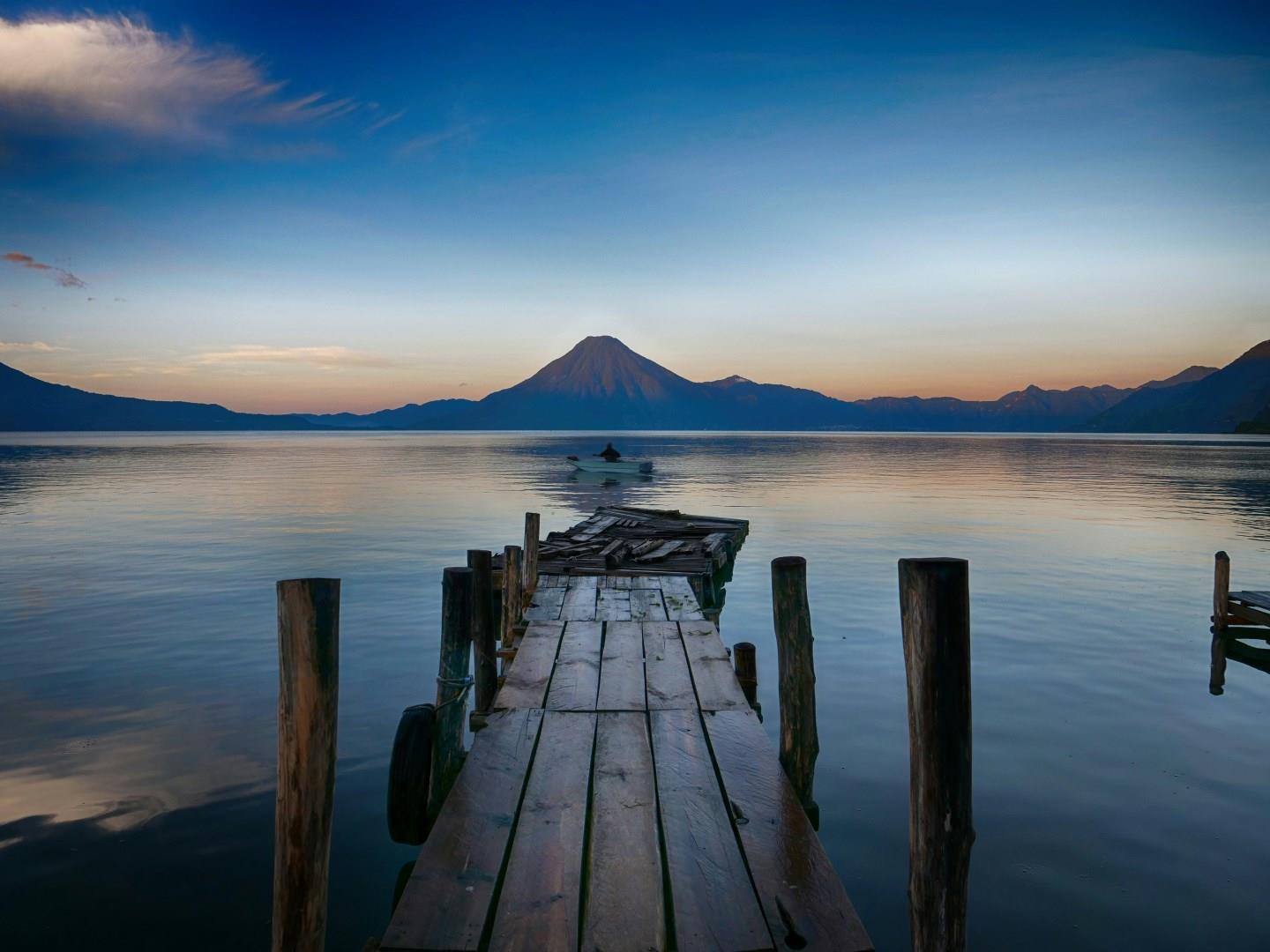
Panajachel
Panajachel, on the shores of Guatemala’s Lake Atitlán, is a vibrant town framed by volcanic peaks and the shimmering waters of one of the world’s most picturesque lakes.

France
France offers far more than its capital city. While Paris draws millions each year, the country’s true richness lies in its variety, from Alpine villages to Atlantic coastlines, medieval towns to Mediterranean markets. In Normandy, visitors can walk along the D-Day beaches or explore the towering abbey of Mont-Saint-Michel, which becomes an island at high tide. Further inland, the Loire Valley is dotted with over 300 castles, many of which are open for tours and even overnight stays.

Punakha
Punakha sits in one of Bhutan’s most fertile valleys, cradled where the Mo Chhu and Pho Chhu rivers meet. For centuries it served as the kingdom’s capital and remains a place rich with stories woven through its fields, temples, and riverbanks. The city’s low elevation brings warmer weather than much of Bhutan’s highland regions, and rice paddies fill the landscape with vivid green during planting and golden hues at harvest.
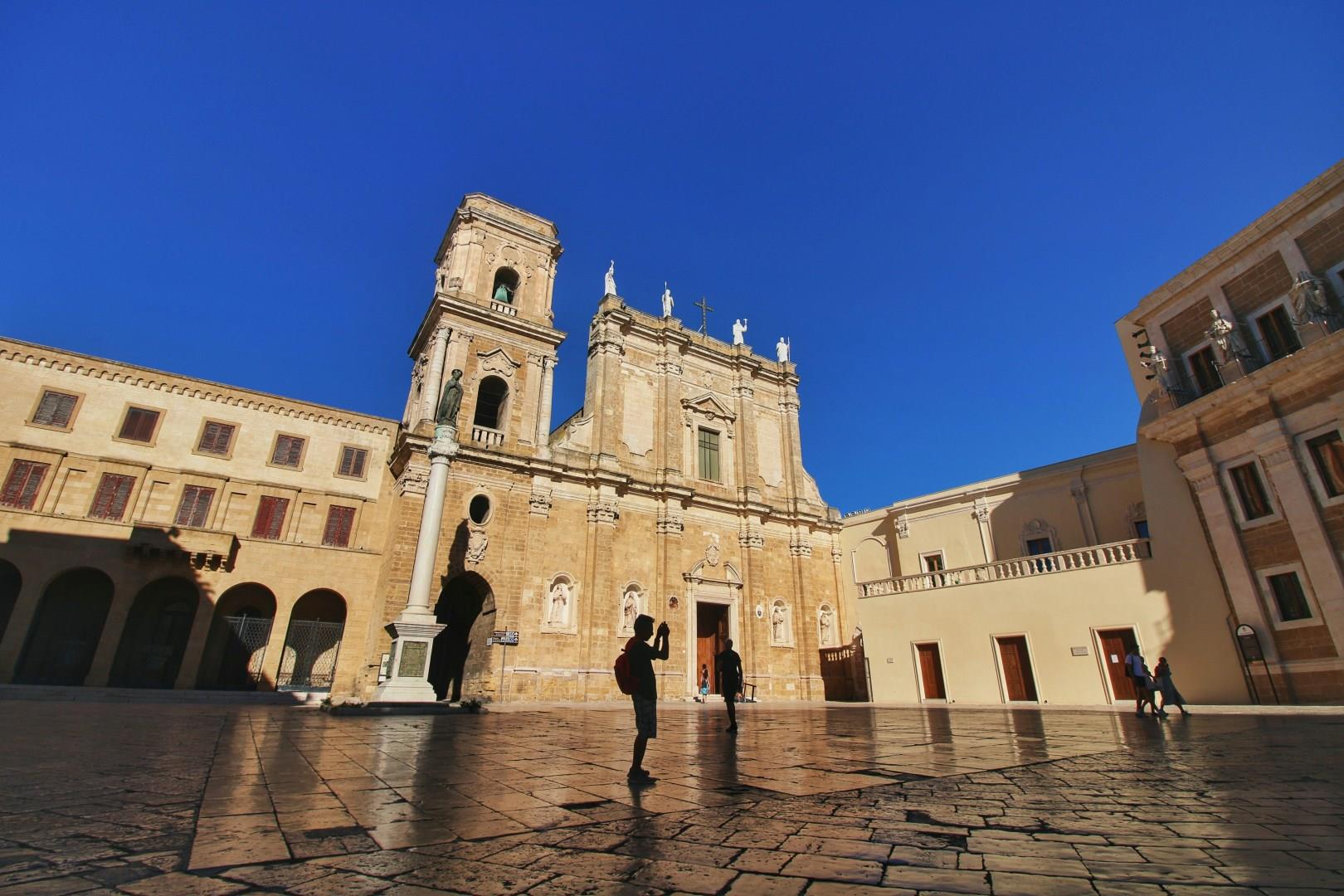
Brindisi
Italy’s port city of Brindisi, tucked along the Adriatic coast in the Puglia region, has been a gateway to the East for over two thousand years. Once the Roman Empire’s main departure point for the Via Appia, the road to Greece and beyond, Brindisi still bears traces of its ancient past, from Roman columns to remnants of old harbors that once welcomed traders, pilgrims, and soldiers.
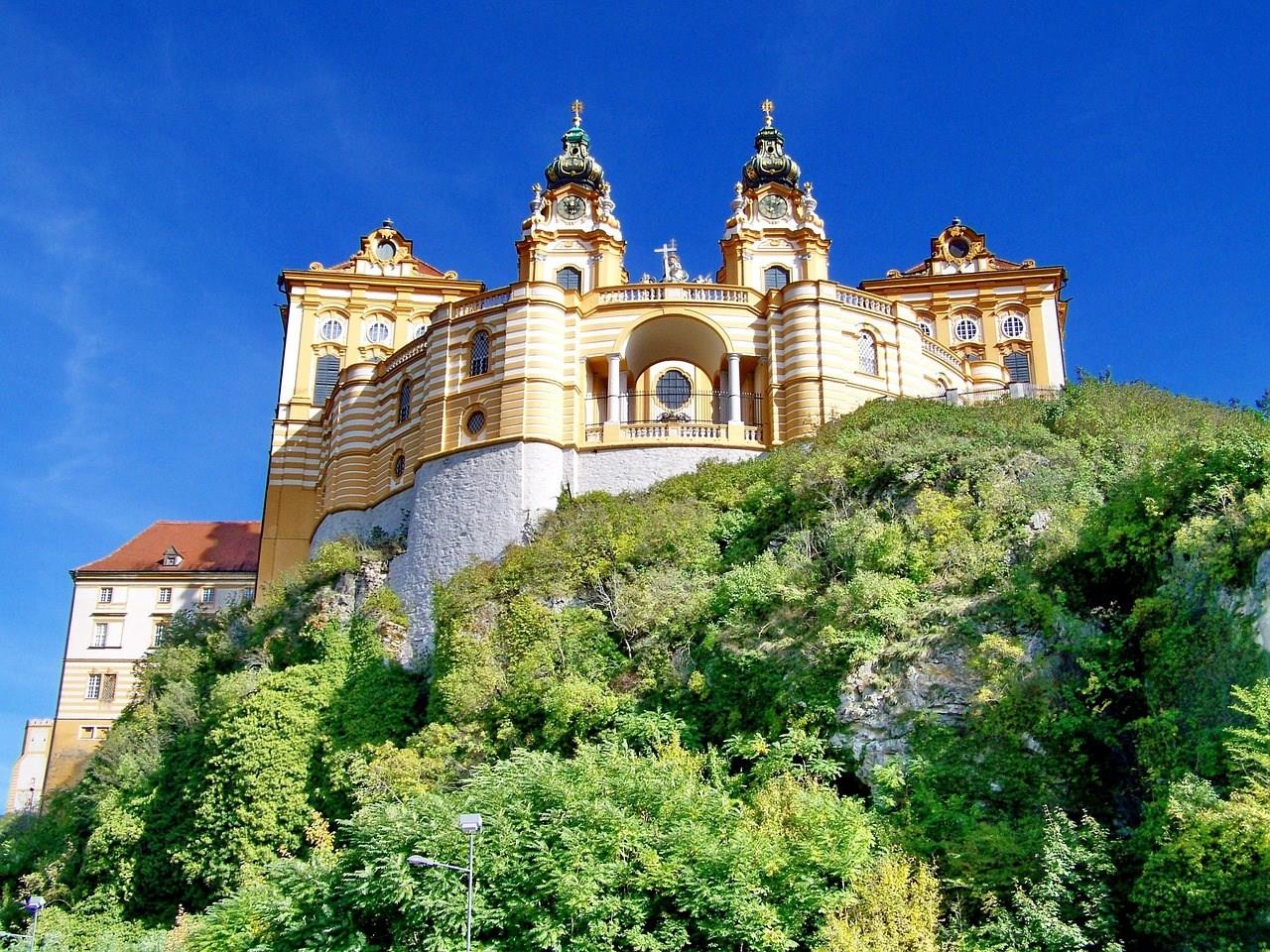
Wachau Valley
Austria’s Wachau Valley is a scenic stretch of the Danube River between Melk and Krems, known for its terraced vineyards, medieval towns, and a deep sense of history.
