
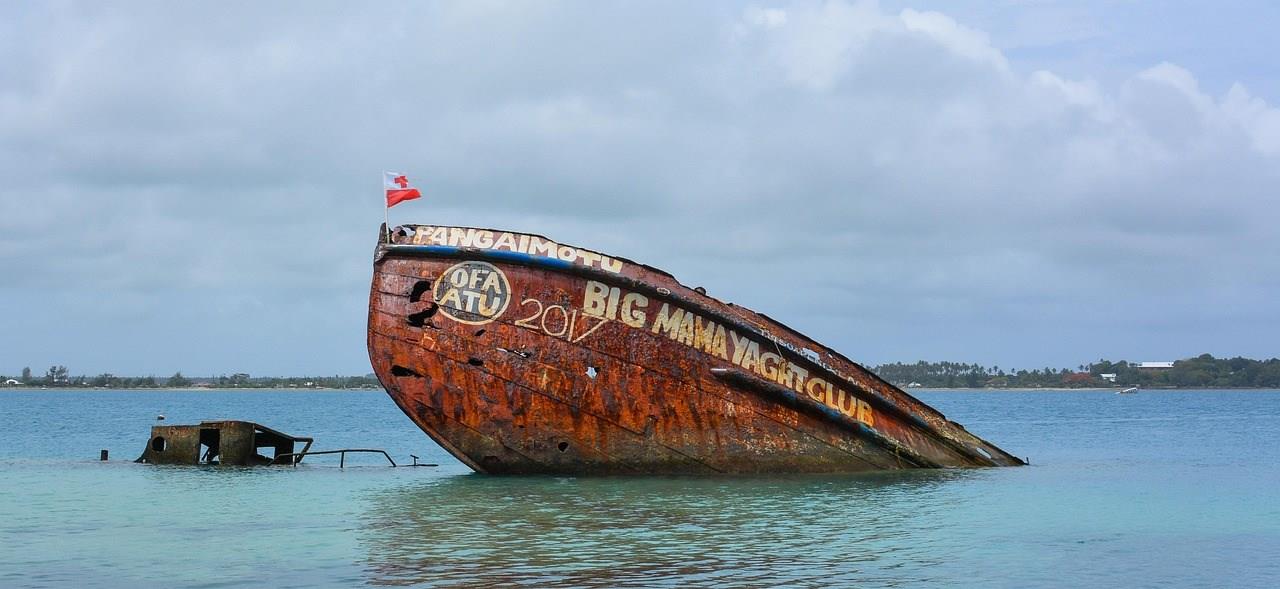
Tongatapu Island
Tongatapu, the main island of Tonga, is where tradition, history, and the South Pacific’s natural world intersect in quiet and unexpected ways. As the political and cultural center of the Kingdom of Tonga, it is home to the capital city, Nukuʻalofa, as well as ancient royal burial grounds, dramatic coastal blowholes, and friendly villages where daily life unfolds slowly.

Española Island
Española Island lies in the southeastern part of the Galápagos archipelago. Highlights of this tropical paradise include Punta Suarez, a popular scenic point for bird watching, and the beaches of Bahía Gardner on the island's north coast.

Dominica
Dominica, known as the “Nature Island of the Caribbean,” is a haven for eco-tourists and adventure seekers. Nestled between the French islands of Guadeloupe and Martinique, this lush island boasts a remarkable landscape of volcanic mountains, dense rainforests, and stunning waterfalls. Dominica’s most iconic natural wonder is the Boiling Lake, the second-largest hot spring in the world.
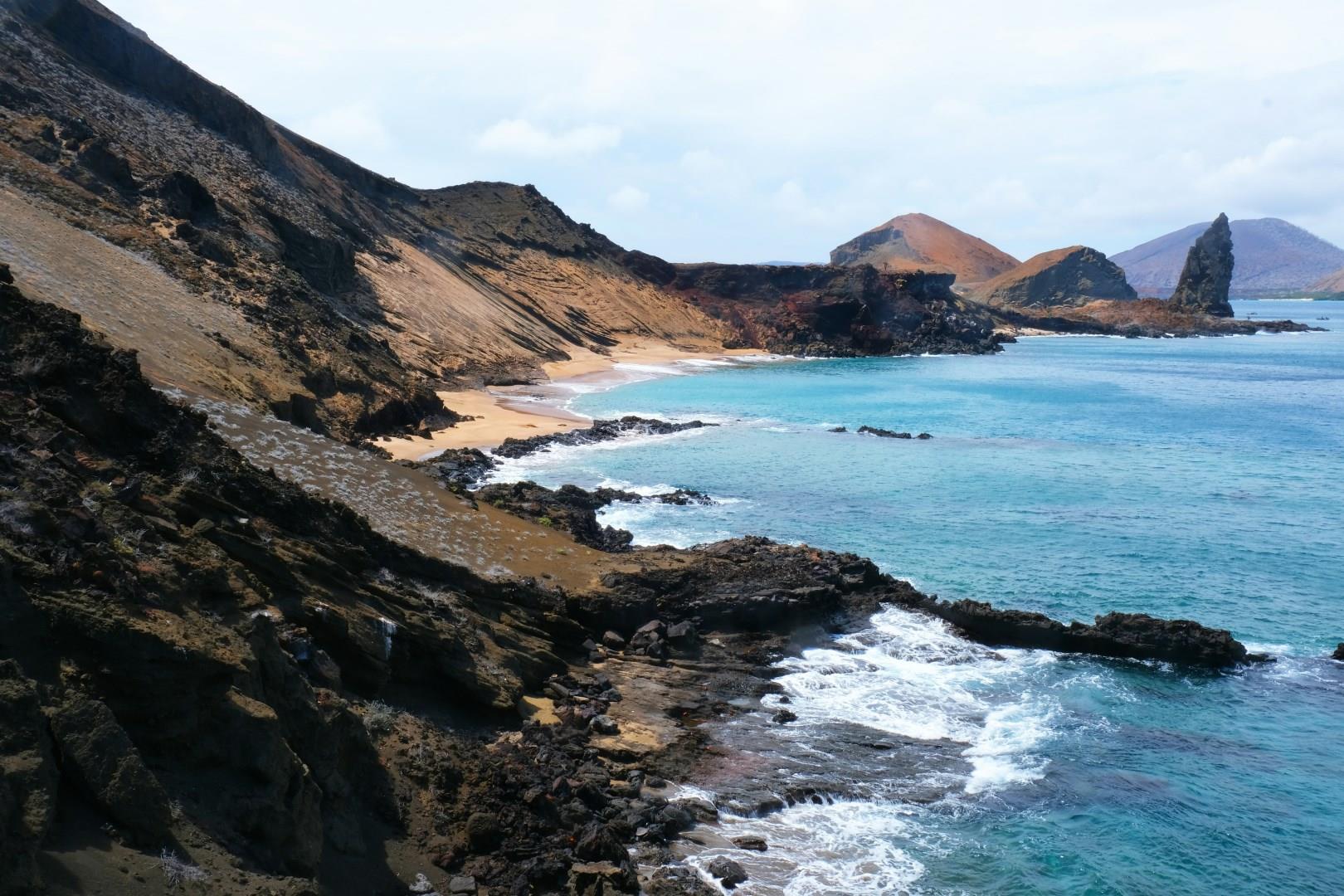
Bartolome Island
Bartolomé Island, one of the most iconic destinations in the Galápagos archipelago, is known for its dramatic volcanic landscape and the postcard-perfect view from its summit. Just off the east coast of Santiago Island, this uninhabited islet draws visitors for its unique terrain with lava flows, spatter cones, and a rust-colored cinder cone that rises sharply above the sea.

Venezuela
Venezuela is a country of contrasts, offering travelers a mix of rainforests, savannas, and Caribbean beaches. The country is home to unique destinations like Canaima National Park, where the world-famous Angel Falls, the tallest waterfall on Earth, cascades from an incredible height of 979 meters (over 3,200 feet). Visitors can take boat trips through jungle rivers, explore the iconic tabletop mountains, and marvel at the landscapes.
