
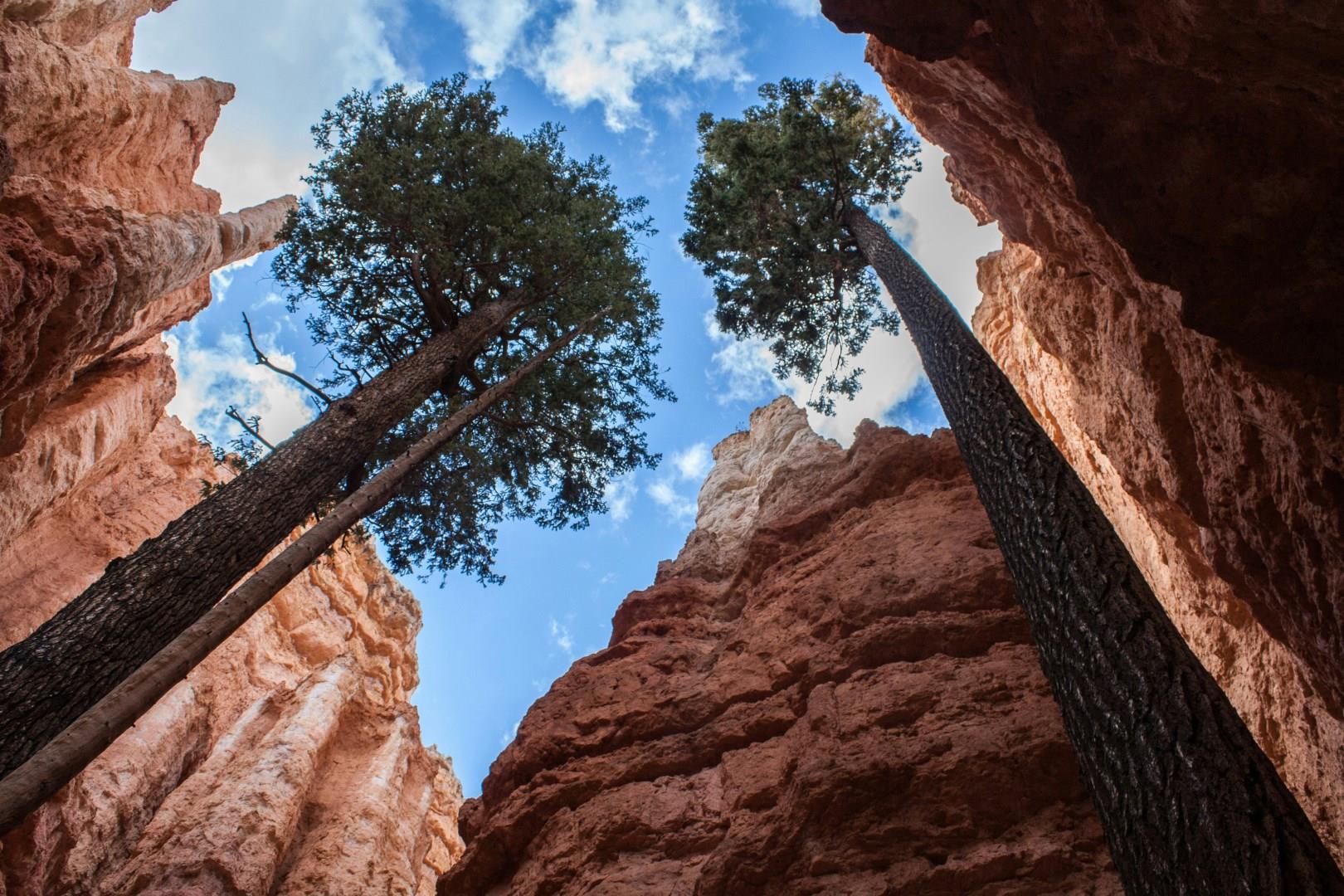
Bryce Canyon
Bryce Canyon, tucked into the high plateaus of southern Utah, offers one of the most unusual landscapes in the American Southwest. It’s not actually a canyon but a series of natural amphitheaters carved into the edge of the Paunsaugunt Plateau. What makes Bryce unique is its dense collection of hoodoos which are tall, thin spires of rock formed over millions of years by frost-wedging and erosion.

Dominica
Dominica, known as the “Nature Island of the Caribbean,” is a haven for eco-tourists and adventure seekers. Nestled between the French islands of Guadeloupe and Martinique, this lush island boasts a remarkable landscape of volcanic mountains, dense rainforests, and stunning waterfalls. Dominica’s most iconic natural wonder is the Boiling Lake, the second-largest hot spring in the world.

St. Croix
It's the largest of the three U.S. Virgin Islands, lying 40 miles south of St. Thomas and St. John. While its history is laced with tales of pirates and privateers, the island today maintains a slower, more quiet pace than its sisters to the north.
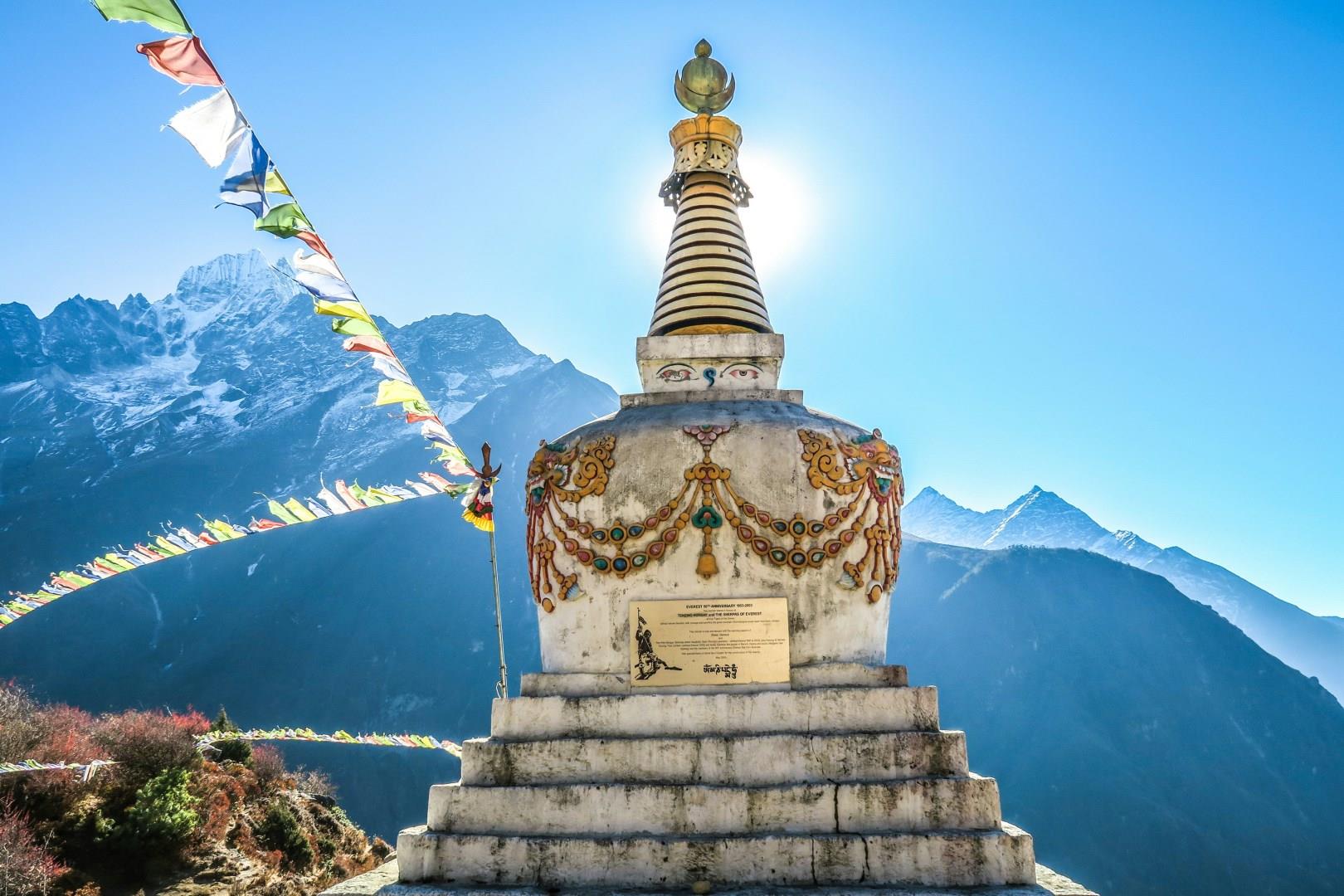
Namche
Namche Bazaar, perched at 3,440 meters in the Khumbu region of Nepal, is often called the gateway to Everest, but it’s far more than a rest stop on the way to Base Camp. Once a trading post between Tibetan and Nepali merchants, Namche has developed into a small mountain town where yak caravans and Wi-Fi cafes exist side by side. Despite its remote location, it has a Saturday market that continues to bring traders and trekkers together, just as it did centuries ago.
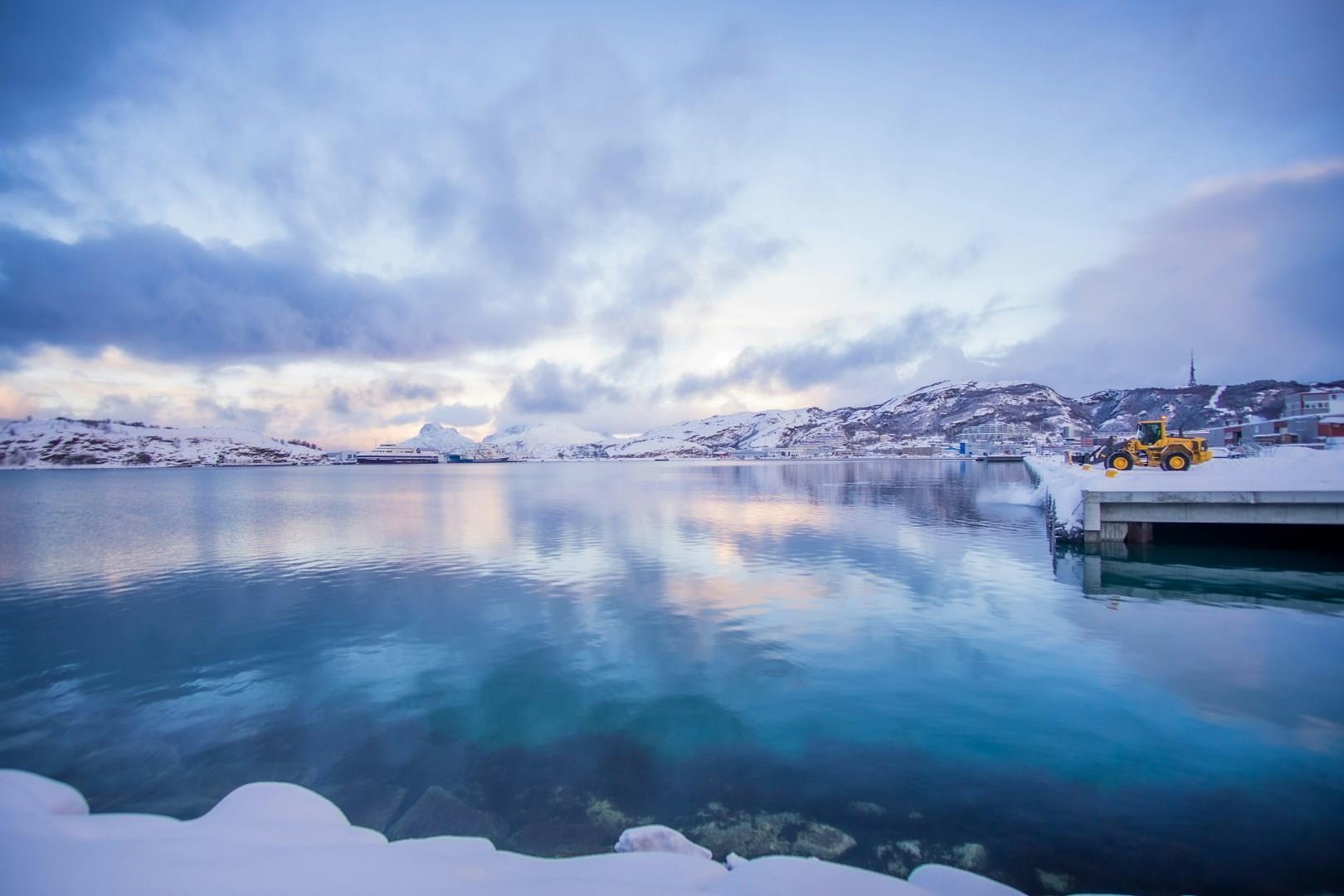
Bodo
Bodø, located just north of the Arctic Circle, is a coastal city where dramatic landscapes meet a surprising blend of modern culture and outdoor access. As the largest town in the Nordland region of Norway, Bodø has become a key stop along the Norwegian Scenic Route and a gateway to the Lofoten Islands. Located just a short drive away, the Saltstraumen maelstrom, which is one of the world’s strongest tidal currents, visitors can watch whirlpools form in the sea with astonishing power.
