

Paro
Paro, Bhutan, is a serene valley town that offers a gateway to the mystical charm of the Land of the Thunder Dragon. Nestled amidst verdant hills and bisected by the glistening Paro Chhu river, Paro is home to some of Bhutan’s most iconic landmarks and cultural treasures. At the heart of this picturesque valley stands the majestic Paro Dzong, or Rinpung Dzong, a fortress-monastery with a history dating back to the 17th century.
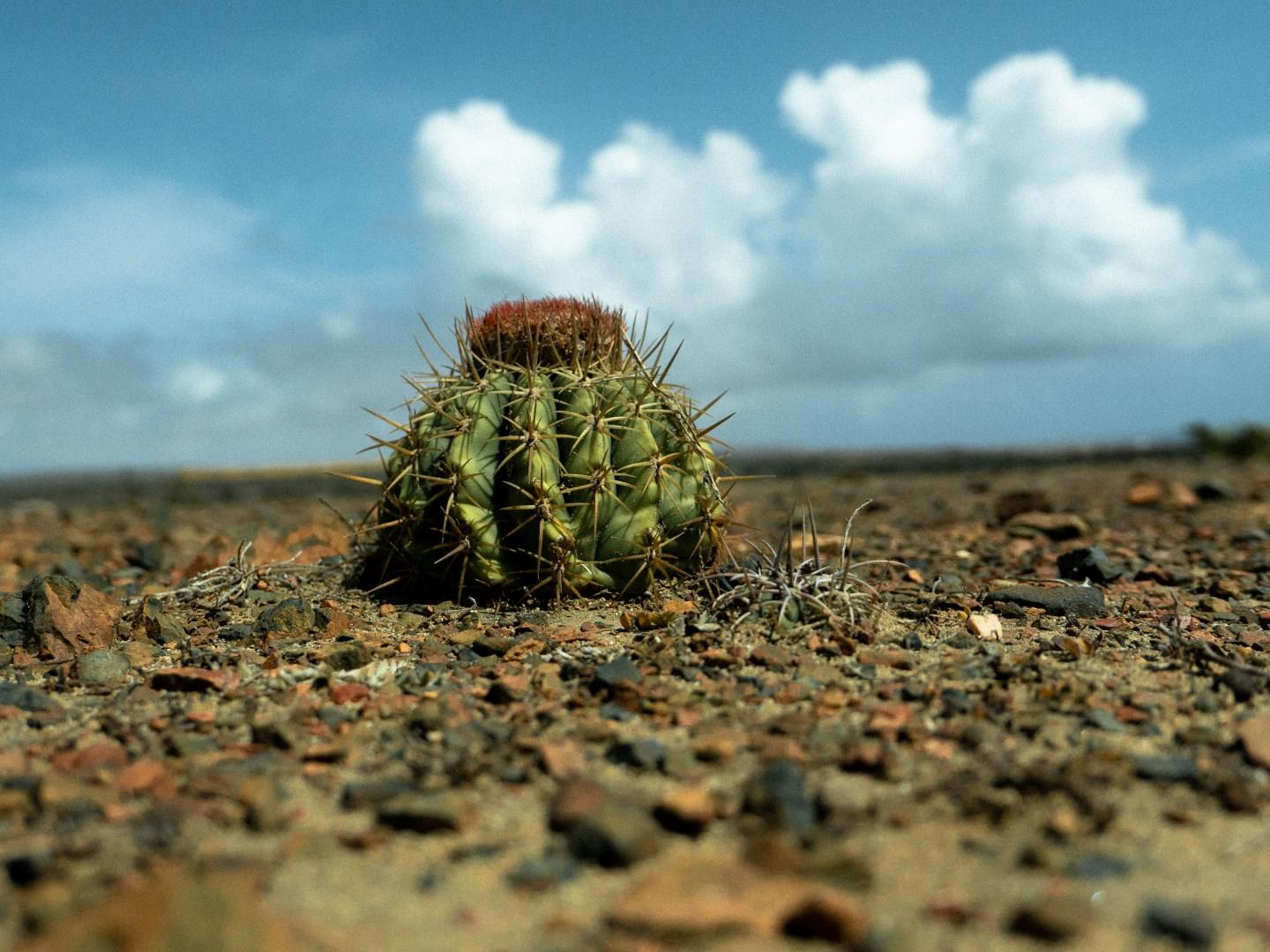
Arikok National Park
Arikok National Park, covering nearly 20% of Aruba, is a striking showcase of the island’s rugged landscapes, cultural history, and biodiversity. Unlike the postcard image of Aruba’s white-sand beaches, Arikok reveals a wilder side, with windswept hills, desert-like terrain, and dramatic limestone cliffs meeting the sea.

Tokyo
Shopping, historic temples, lush green spaces and exceptional dining are all part of Tokyo, the capital of Japan. This spectacular, highly populated metropolis holds unlimited options for tourists.

Manarola
Manarola, one of the most picturesque villages in Italy’s famed Cinque Terre, is a haven for travelers seeking a blend of breathtaking scenery, vibrant local culture, and authentic Italian charm. Perched on a rocky cliff overlooking the Ligurian Sea, the village is known for its iconic pastel-colored houses cascading down the hillside.
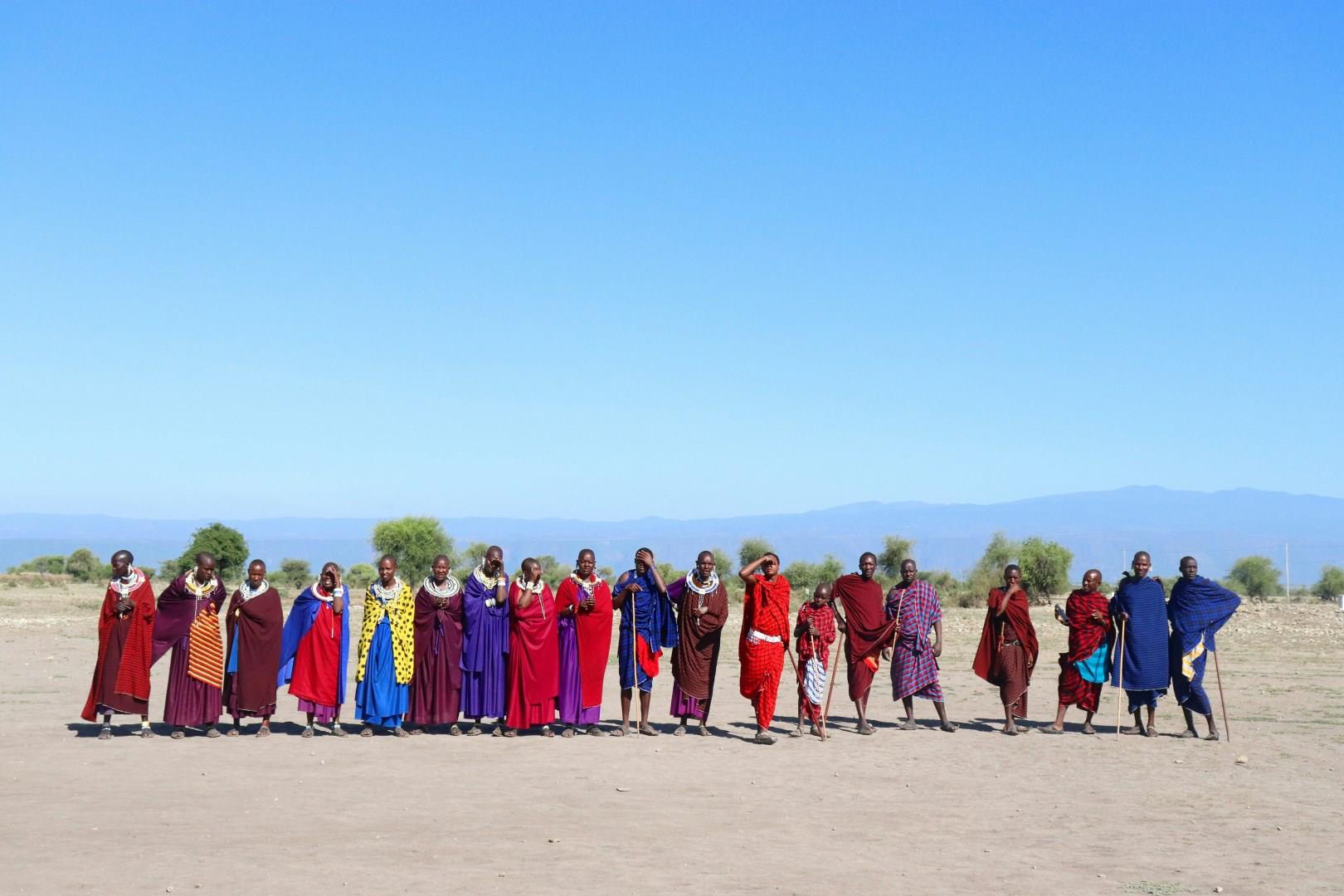
Karatu
Karatu, located in northern Tanzania between Lake Manyara and the Ngorongoro Crater, is more than just a stopover for safari-goers. This highland town, surrounded by rolling farmland and volcanic hills, offers travelers a closer look at daily life in the region. The area is home to the Iraqw people, known for their terraced farming, traditional homesteads, and unique language unrelated to most other East African tongues.
