
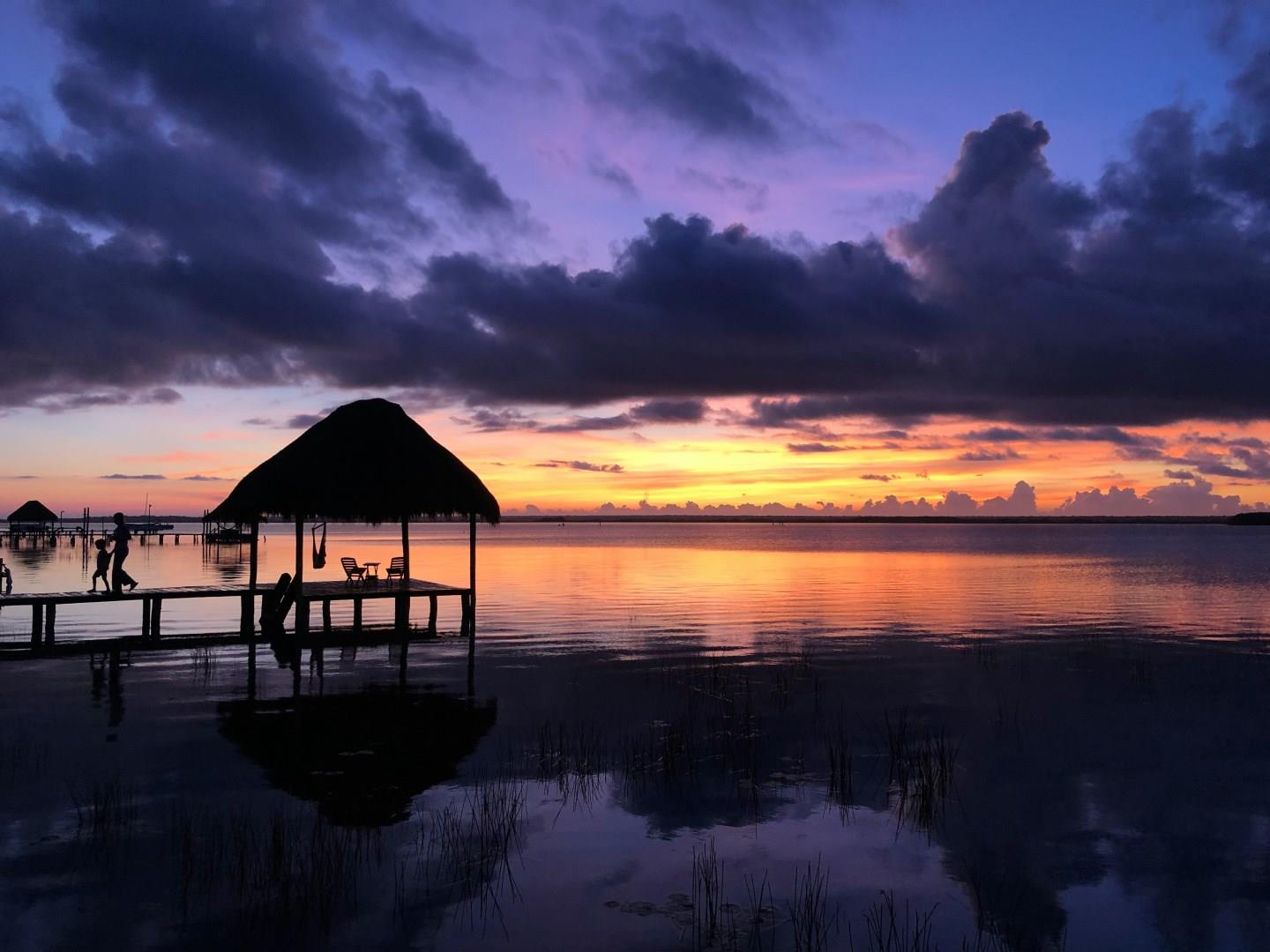
Bacalar
Bacalar sits on the tranquil shores of Laguna de Bacalar in southern Quintana Roo, Mexico, and has been a meeting place for people and cultures for centuries. Its name comes from the ancient Maya phrase Sian Ka’an Bakhalal, meaning “where the sky is born,” a reminder of how deeply this place figures in regional history and identity.
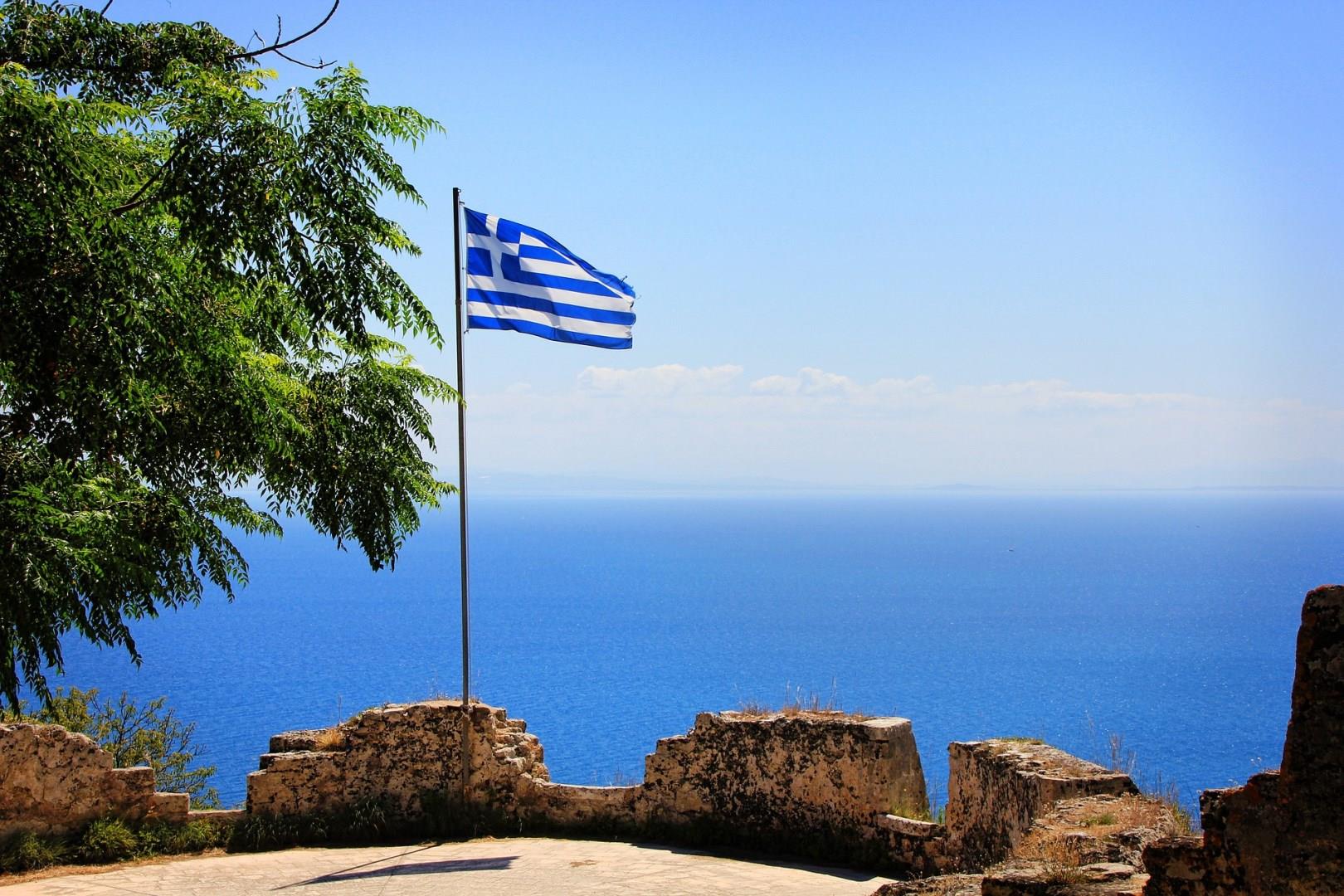
Greece
Greece is a country where layers of history sit side by side with everyday life. In Athens, visitors can stand at the foot of the Acropolis and look up at the Parthenon, built more than 2,400 years ago, then walk a few blocks to modern cafes buzzing with conversation and music. The city’s neighborhoods, like Plaka and Monastiraki, offer both ancient ruins and small family-run shops selling handmade sandals and olive oil soap.

Angkor Wat
Angkor Wat, located near Siem Reap in Cambodia, is a mesmerizing testament to the grandeur of the Khmer Empire and one of the world's most remarkable archaeological sites. Built in the early 12th century by King Suryavarman II, Angkor Wat was originally dedicated to the Hindu god Vishnu but later became a Buddhist temple.
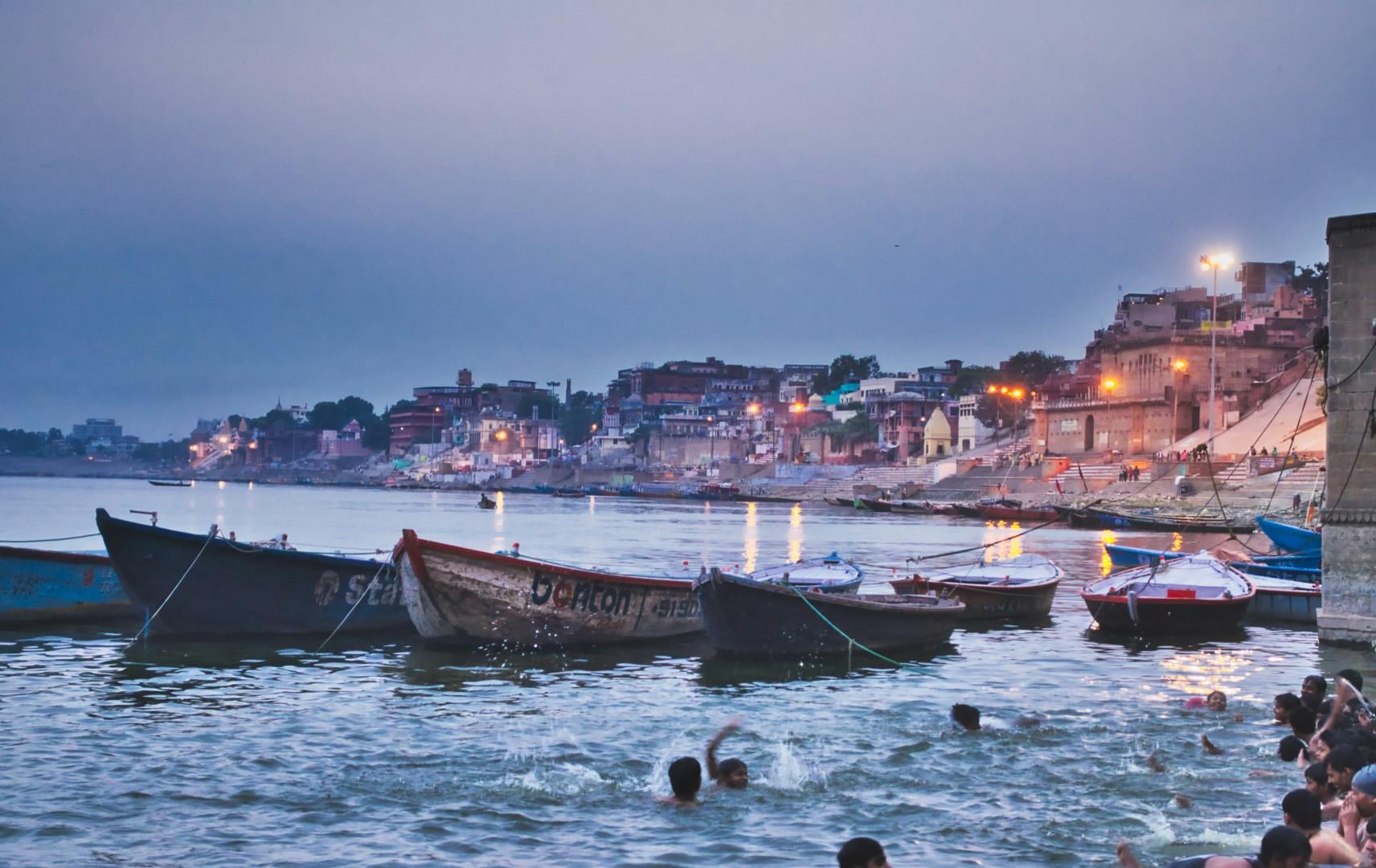
Varanasi
Varanasi sits along the sacred Ganges River in northern India as one of the oldest continuously inhabited cities in the world. It is a place where daily life and rituals flow together on the long stone steps called ghats that reach down to the water. Visitors often rise early for a sunrise boat ride, watching as light spreads across the river and pilgrims make gentle offerings to the water.

Burkina Faso
Who would have thought, back in the tumultuous coup and counter coup days of the 1970s, that Burkina Faso would become the cultural darling of West Africa? Unlikely as it seems, Burkina Faso has become the Utah of West Africa, hosting a biennial film festival that rivals the Sundance Film Festival for cultural clout. When it's not hosting film festivals, it's busy organizing its other biennial cultural festival.
