

Maho Beach
Maho Beach, on the Dutch side of Sint Maarten, is one of the Caribbean’s most thrilling and unconventional beach experiences. Situated directly beside Princess Juliana International Airport, the beach is world-famous for its low-flying airplanes that descend just overhead before landing.
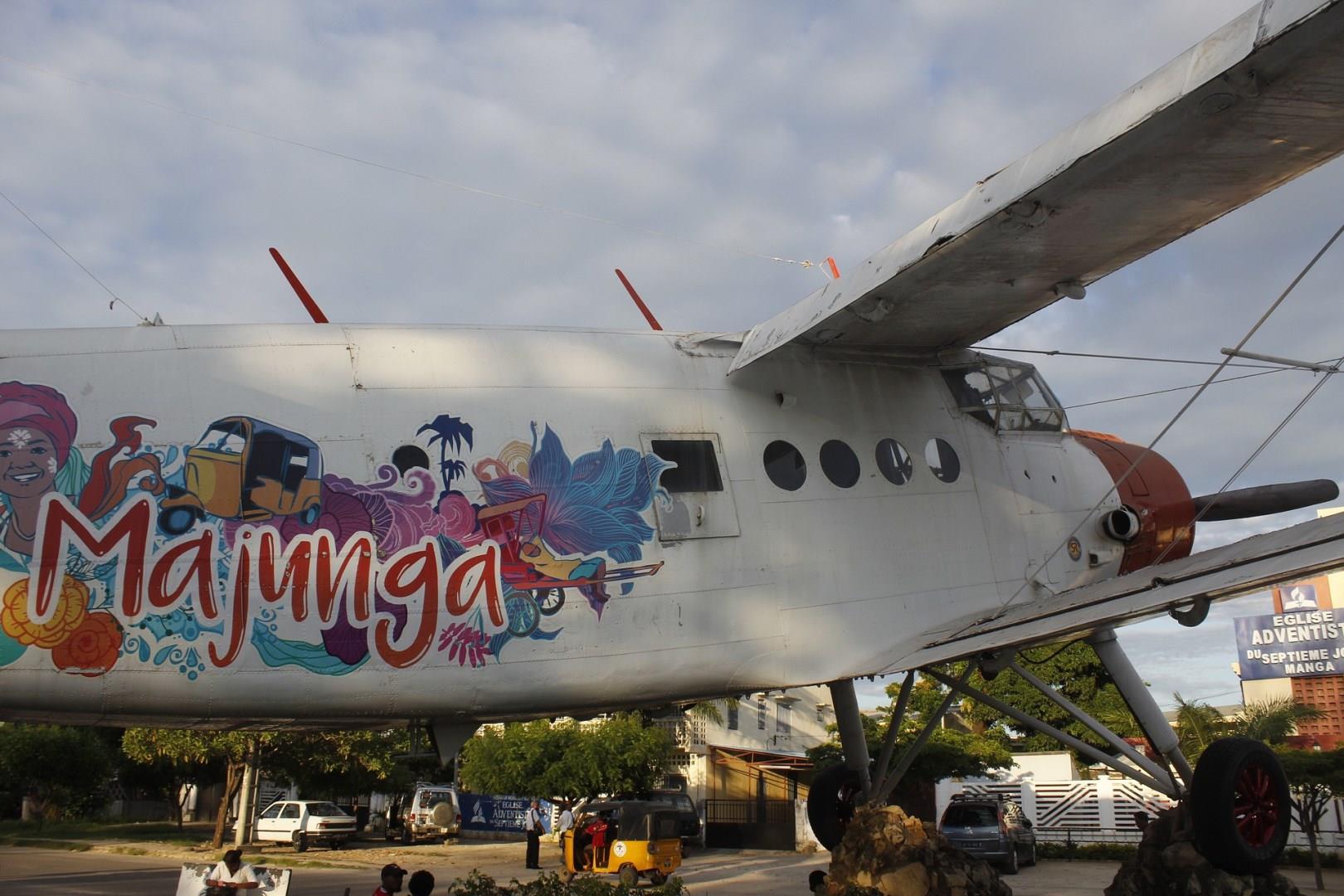
Mahajanga
Majunga, officially known as Mahajanga, is a picturesque coastal city in northwestern Madagascar that invites travelers with its vibrant culture and serene beauty. Situated along the Mozambique Channel, this port city is a gateway to some of Madagascar’s most stunning beaches and marine reserves. The city's palm-lined promenade, known as the Avenue of the Baobabs, is a local favorite, offering breathtaking views of the sunset over the ocean.

Koh Samui
Located in the Gulf of Thailand, Koh Samui is an island off the coast of Thailand and a popular vacation destination for locals and tourists alike.
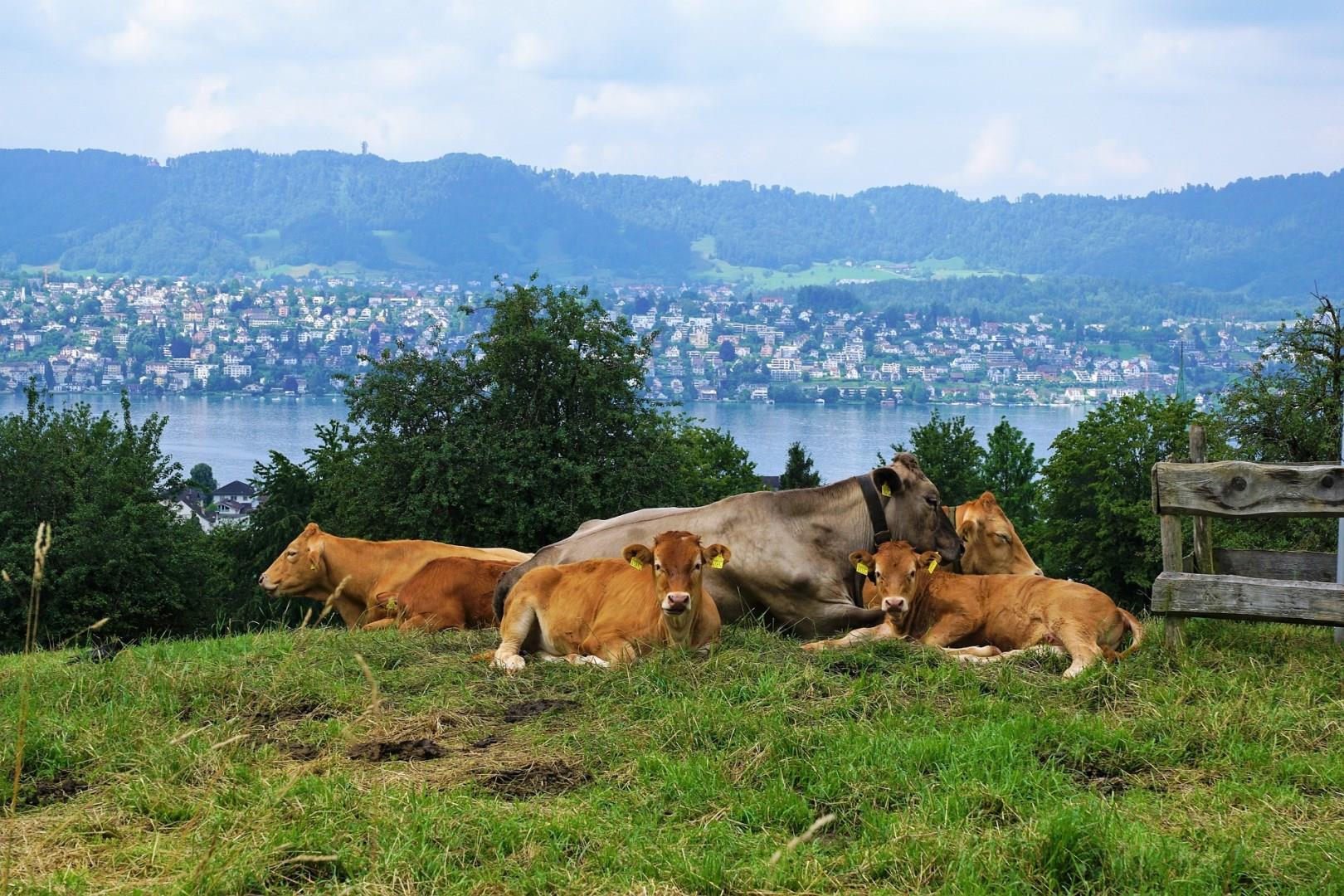
Switzerland
Switzerland's daily life appears to be full of contradictions: the old and the new, natural beauty and industrial production, neutrality and international frankness. These sharp contrasts go hand in hand, and this unity is the real reason that this small country in the heart of Europe has developed into such an important communication and trading partner in the world today. It is Switzerland's contrasts - its diversity which attracts both the businessman and the tourist alike.

Namib Desert
The Namib Desert, one of the world’s oldest deserts, stretches along the western coast of Namibia, offering a landscape of stunning, otherworldly beauty. The name “Namib” means "vast place," and fittingly so, as this desert spans over 2,000 kilometers and includes some of the tallest sand dunes on Earth, such as those found in Sossusvlei.
