
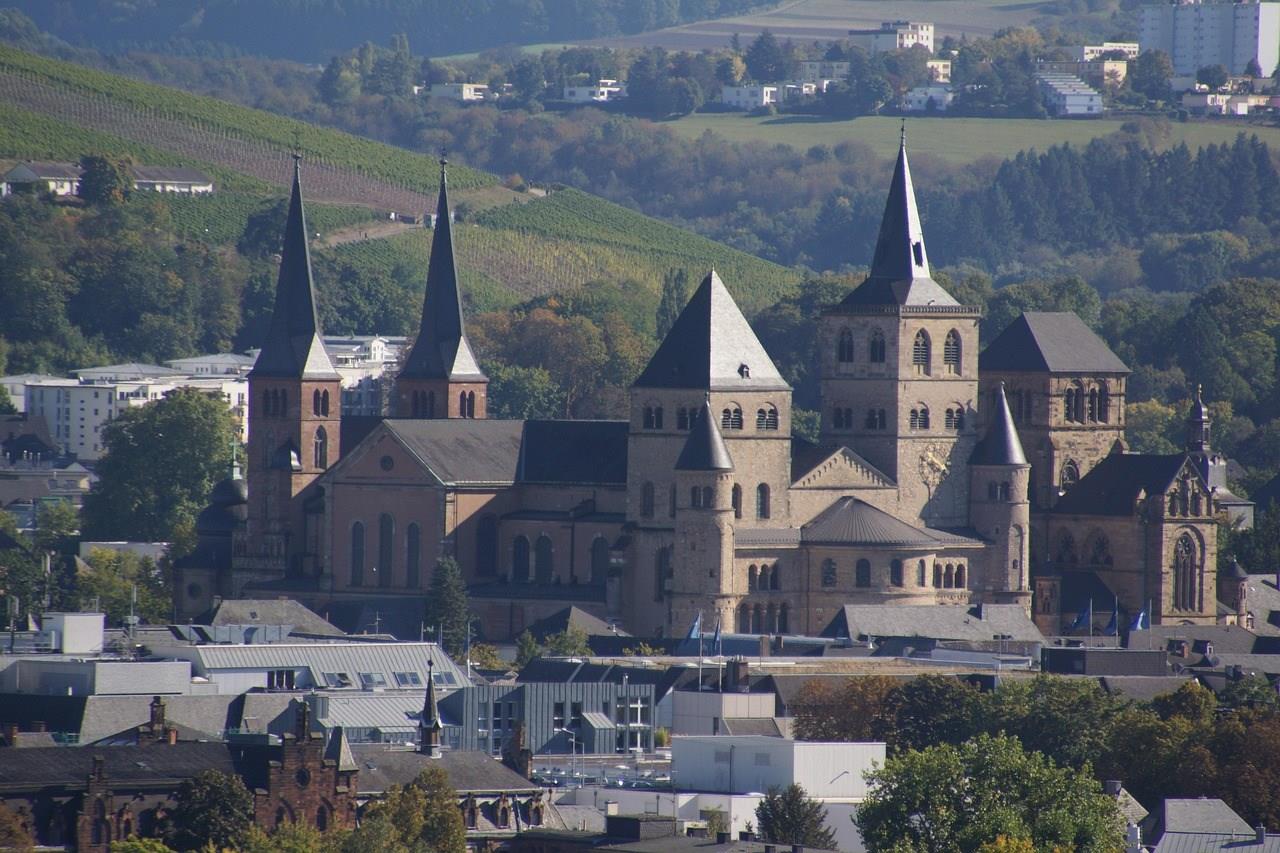
Trier
Trier, Germany’s oldest city, is a living museum nestled in the Moselle Valley, where Roman ruins rise beside medieval churches and bustling market squares. Founded by the Romans in 16 BCE, Trier was once known as “Roma Secunda,” the second Rome, and still boasts the largest collection of Roman architecture north of the Alps. The Trier Cathedral (Dom St. Peter), which is a UNESCO World Heritage Site, is the oldest church in Germany and houses a relic said to be the Holy Robe of Christ.
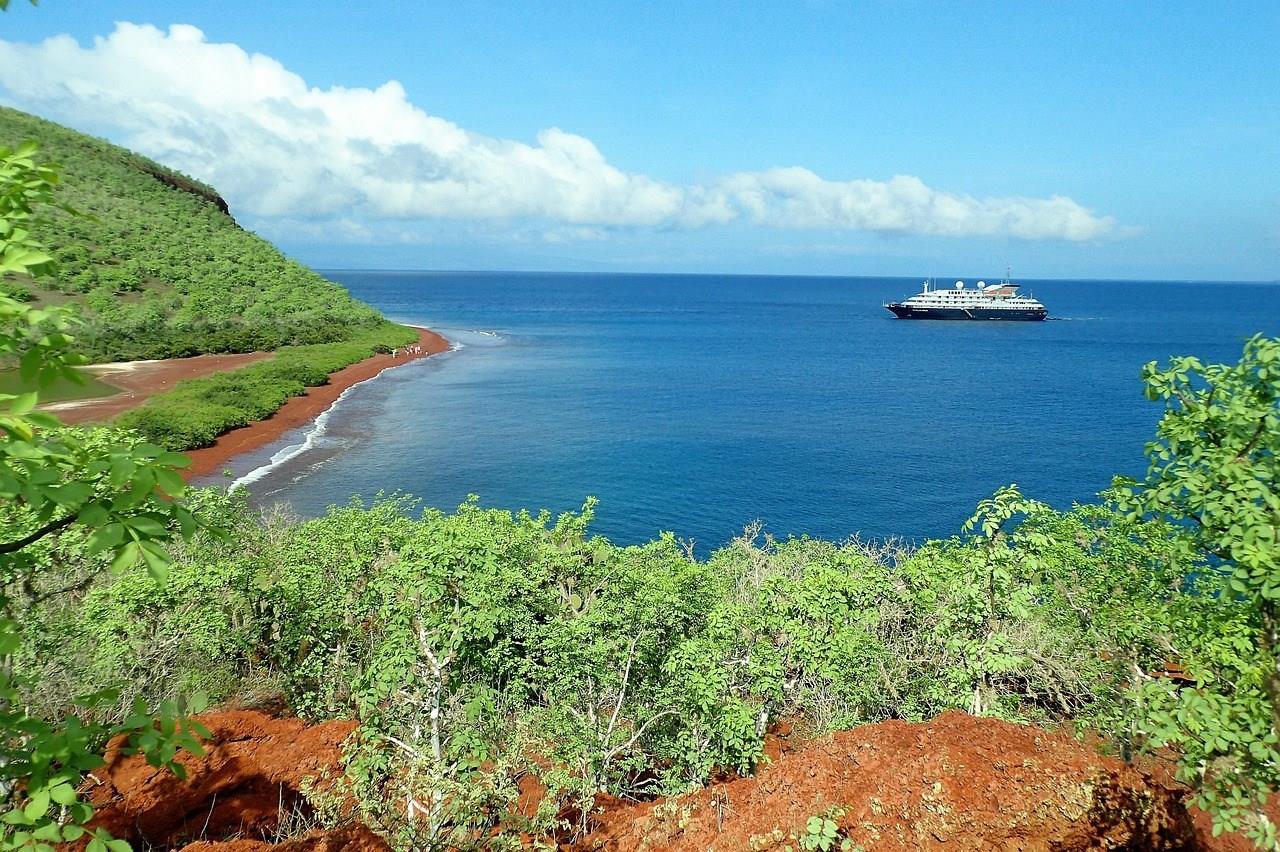
Rabida Island
Rábida Island is one of the most visually striking islands in the Galápagos, known for its deep red volcanic shoreline and quiet, unspoiled atmosphere. Located near the center of the archipelago, the island is geologically young, with iron-rich lava giving its beaches a dramatic rust-colored hue.

Serbia
Serbia is a country where centuries-old monasteries sit just a short drive from lively cities, and where the past is never far from daily life. In Belgrade, the capital, Kalemegdan Fortress offers panoramic views where the Danube meets the Sava River. This fortress has witnessed more than 100 battles and been rebuilt many times over two millennia. Within its walls are Roman ruins, an open-air military museum, and quiet park paths perfect for wandering between centuries of layered history.

Middle East
The Middle East offers an extraordinary mix of history, culture, and natural beauty. Whether uncovering its ancient mysteries, indulging in its delicious cuisine, or experiencing its warm hospitality, travelers are sure to create lasting memories in this remarkable part of the world.

Mekong River
Whether you’re drawn to the river’s natural landscapes, its rich biodiversity, or the cultures it supports, the Mekong offers a unique and enriching travel experience.
