
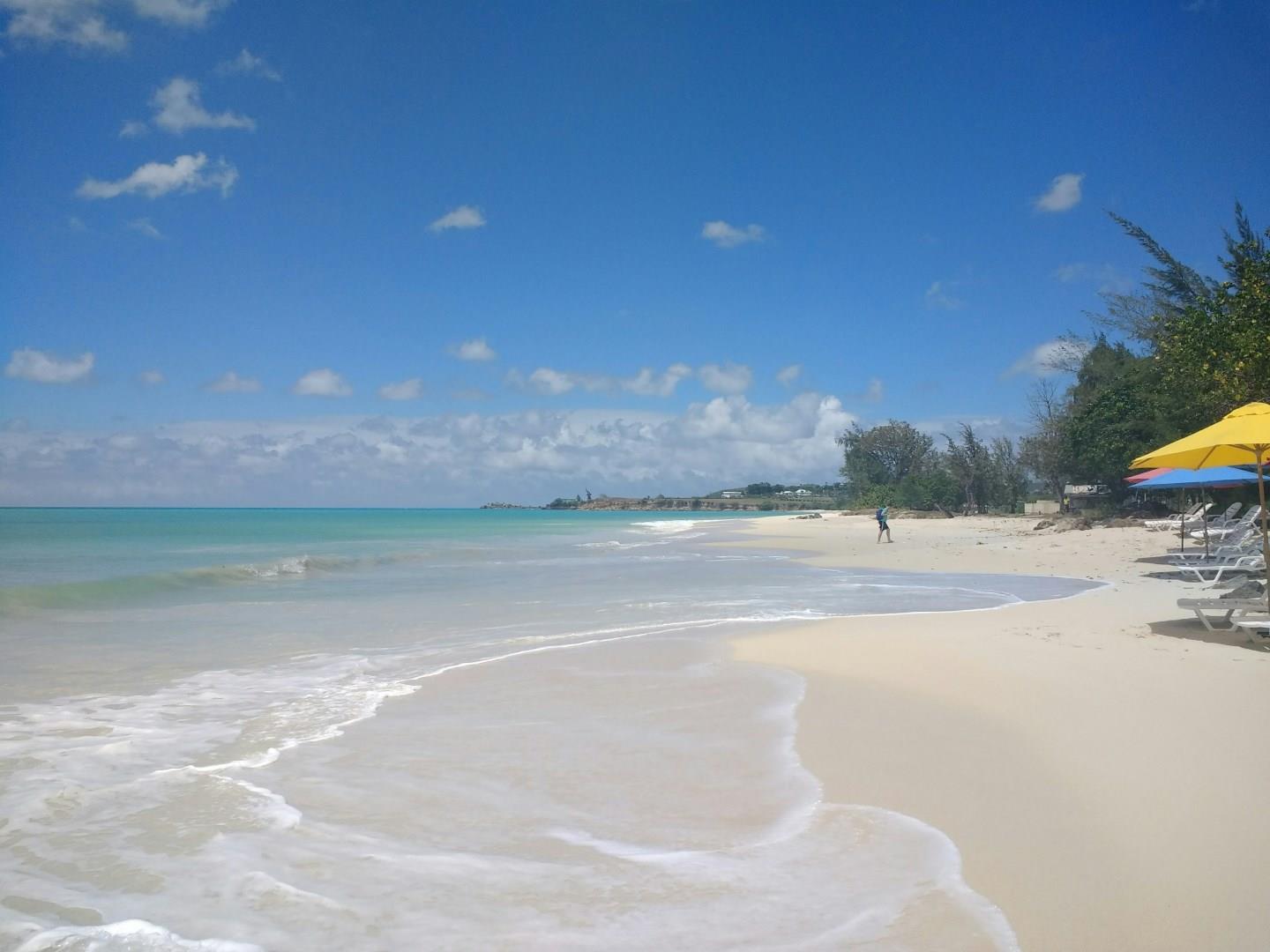
Fort James Beach
Fort James Beach, just outside St. John’s in Antigua, is a long stretch of soft white sand framed by calm, turquoise waters. The beach takes its name from nearby Fort James, a historic 18th-century British stronghold built to guard the harbor.
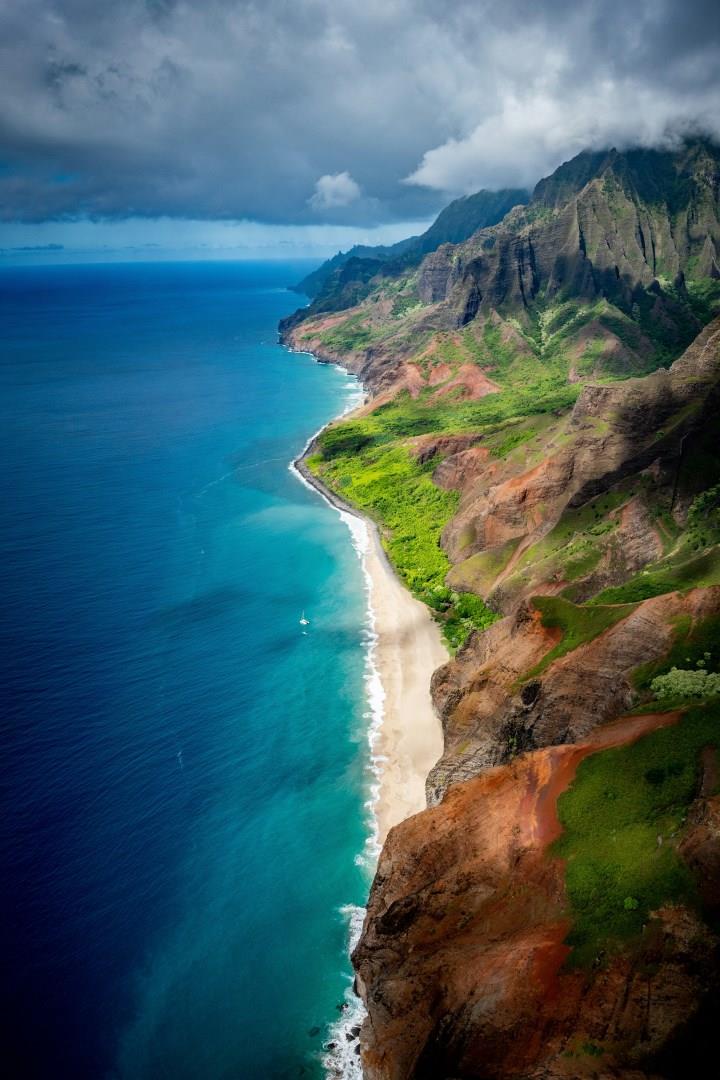
Napali Coast State Wilderness Park
Napali Coast State Wilderness Park, located on the northwestern edge of Kauai, is one of Hawaii’s most visually dramatic landscapes. The coastline stretches for 17 miles and is defined by towering cliffs, known locally as "pali," that rise over 4,000 feet above the Pacific Ocean. These rugged ridges are carved by centuries of rainfall and volcanic activity, creating a landscape only accessible by foot, boat, or air.
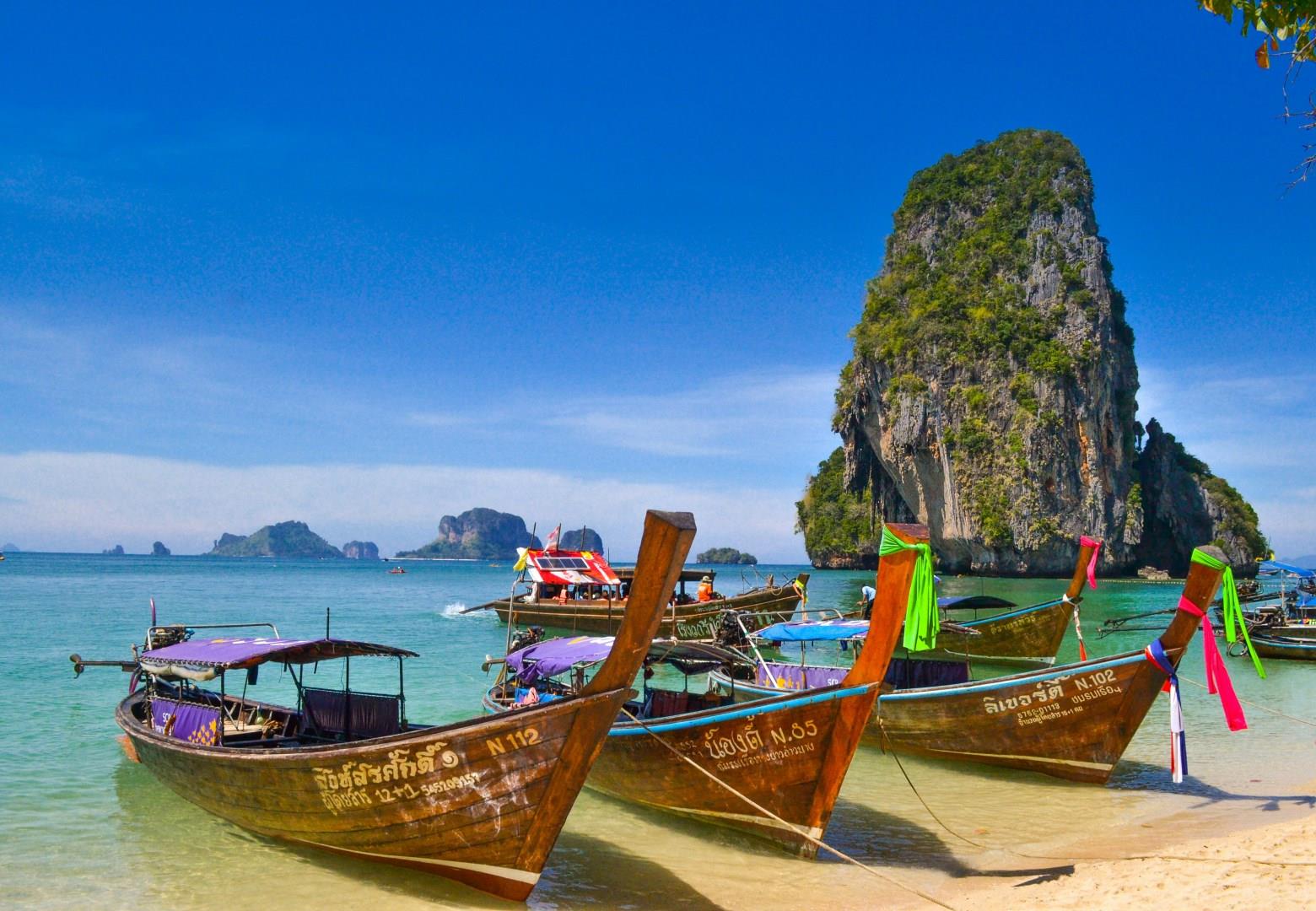
Krabi
Krabi, located on the southwest coast of Thailand, is known for its towering limestone cliffs, warm Andaman waters, and a coastline dotted with over 150 islands. One of its most iconic sites is Railay Beach, which is accessible only by boat due to the cliffs that cut it off from the mainland. Railay is famous among rock climbers for its natural limestone formations, some of which hang directly over the sea.
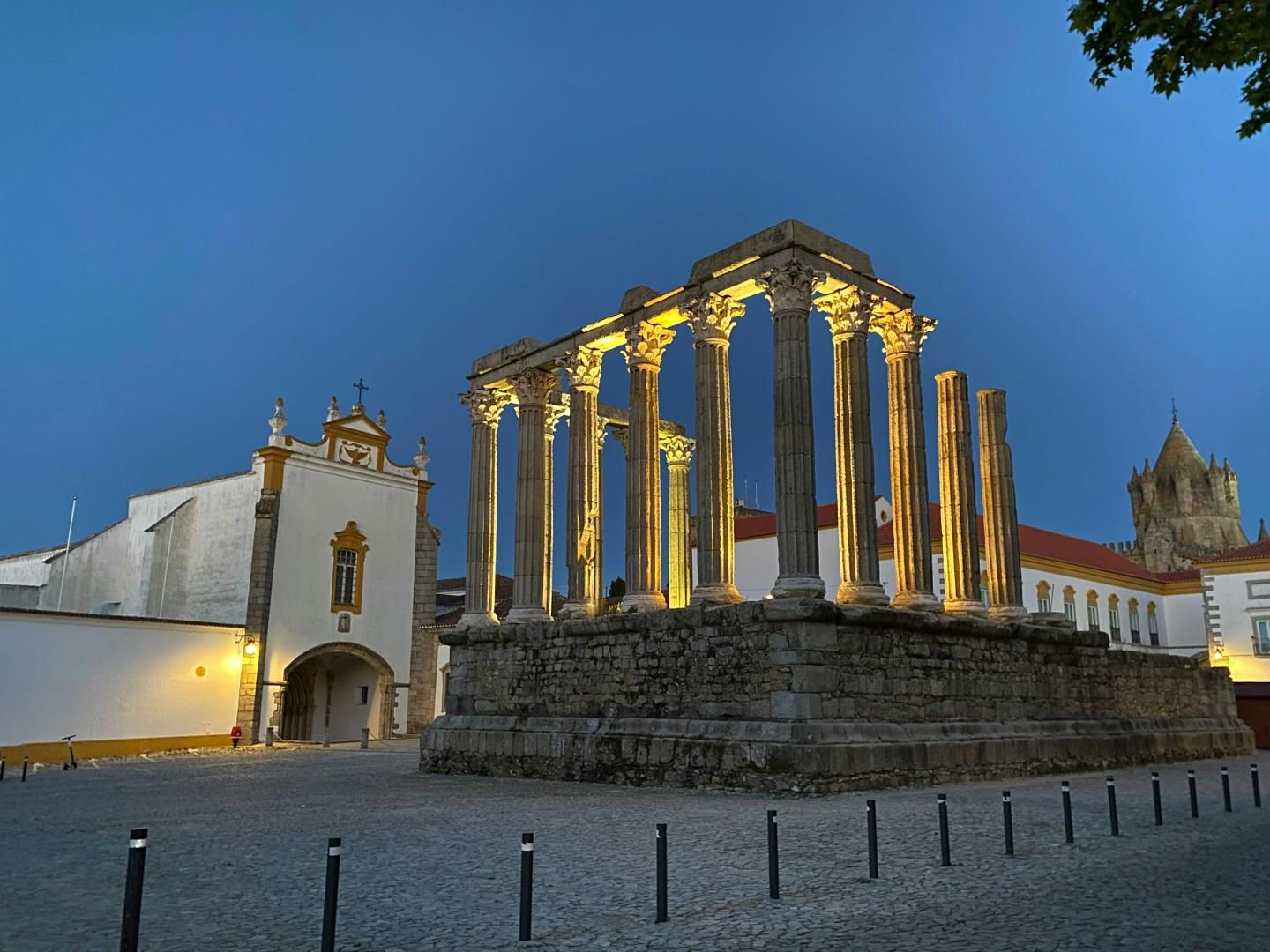
Evora
Évora, in Portugal’s Alentejo region, feels like stepping into a story that spans more than two thousand years. Its Historic Centre was named a UNESCO World Heritage Site for good reason with its ancient walls, homes with wrought-iron balconies, and narrow streets quietly preserve traces of Roman, Moorish, and medieval life. Beyond architecture and monuments, Évora reveals lesser-known treasures that reward exploration.

Pushkar
Pushkar, a small town in the state of Rajasthan, India, is a unique blend of spirituality, culture, and natural beauty. Nestled around the serene Pushkar Lake, this holy town is a major pilgrimage site for Hindus, home to the rare Brahma Temple, one of the very few in the world dedicated to Lord Brahma, the creator god in Hinduism. The temple's striking architecture, with its red spire and intricate marble carvings, draws thousands of devotees and curious travelers alike.
