
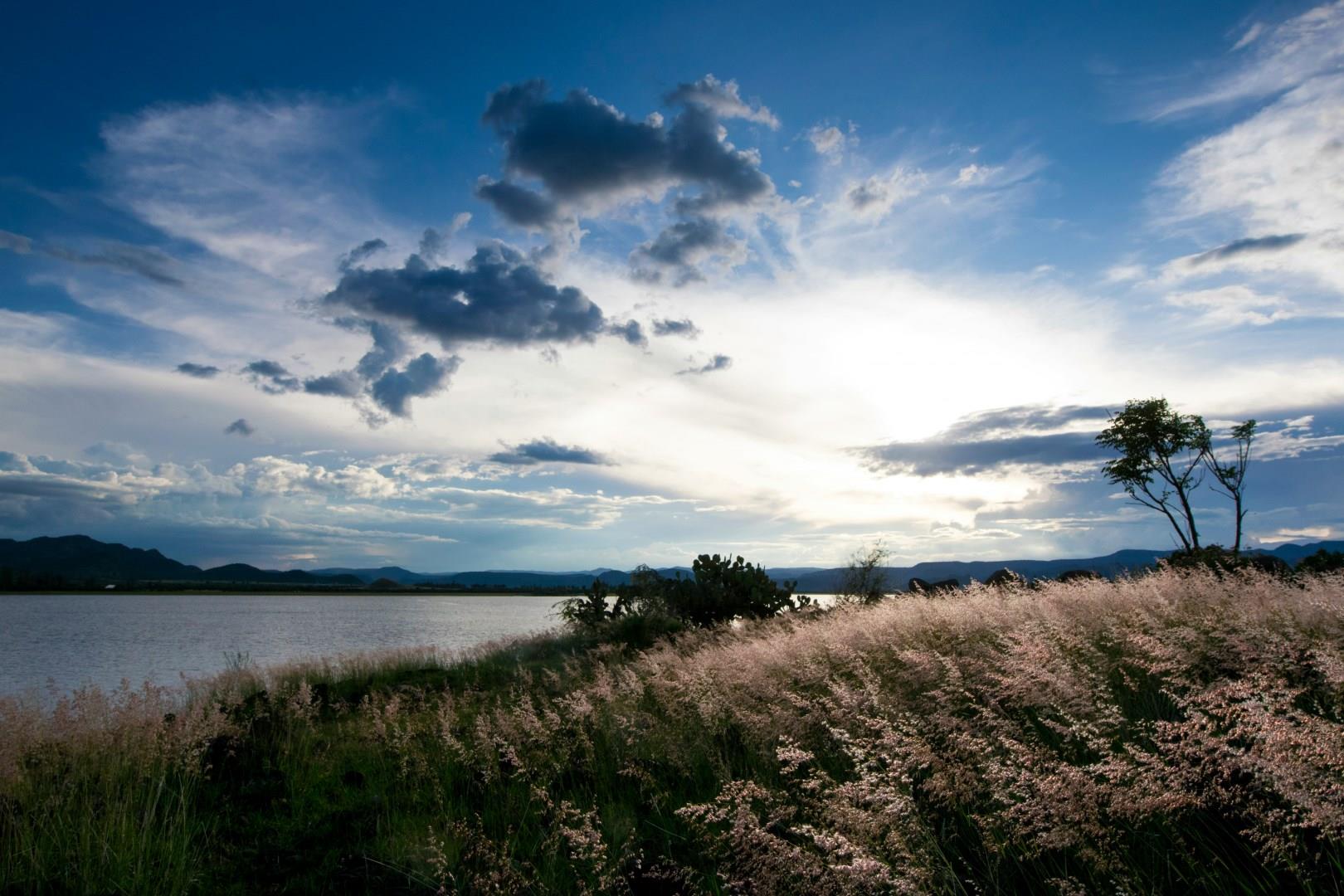
Durango
Durango, located in north-central Mexico, is a destination rich in history, dramatic landscapes, and cultural traditions that date back centuries. Once a key outpost during Spanish colonization, Durango played an important role in the development of northern Mexico. The city of Victoria de Durango, the state capital, features cobblestone streets and more than 1,000 officially registered historical structures.
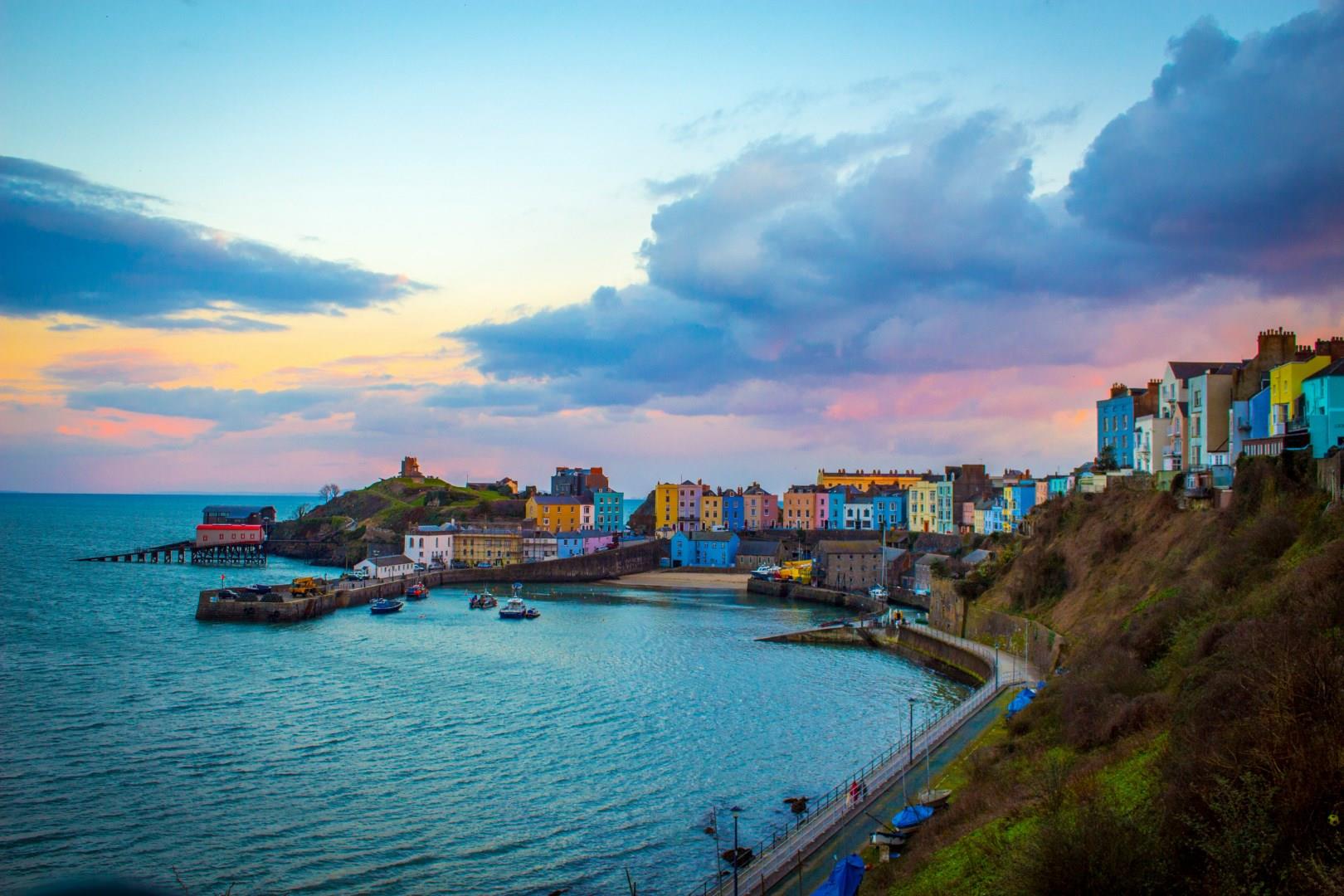
Tenby
Tenby sits on the Pembrokeshire coast of southwest Wales, where medieval walls still encircle a compact town above the sea. Its history as a fortified port is visible in stone ramparts, narrow lanes, and the ruins of Tenby Castle, which overlook the harbor.
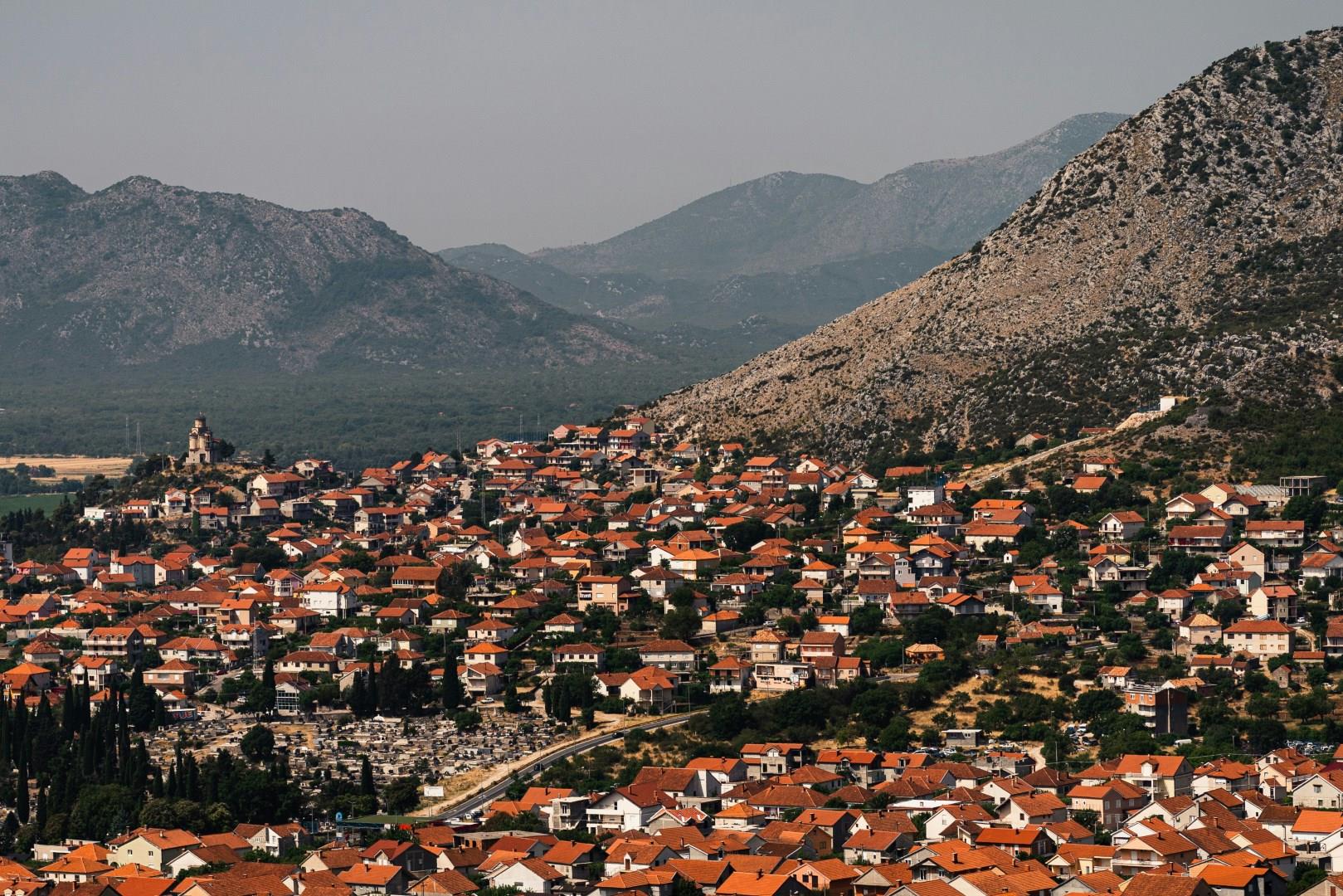
Trebinje
Trebinje, the southernmost city in Bosnia and Herzegovina, sits just a short drive from the Adriatic coast but offers a completely different rhythm. Framed by hills and set along the Trebišnjica River, the city has a history stretching back to Roman times. The river that winds through the city is one of the longest sinking rivers in the world and often disappears underground and resurfaces in various places.
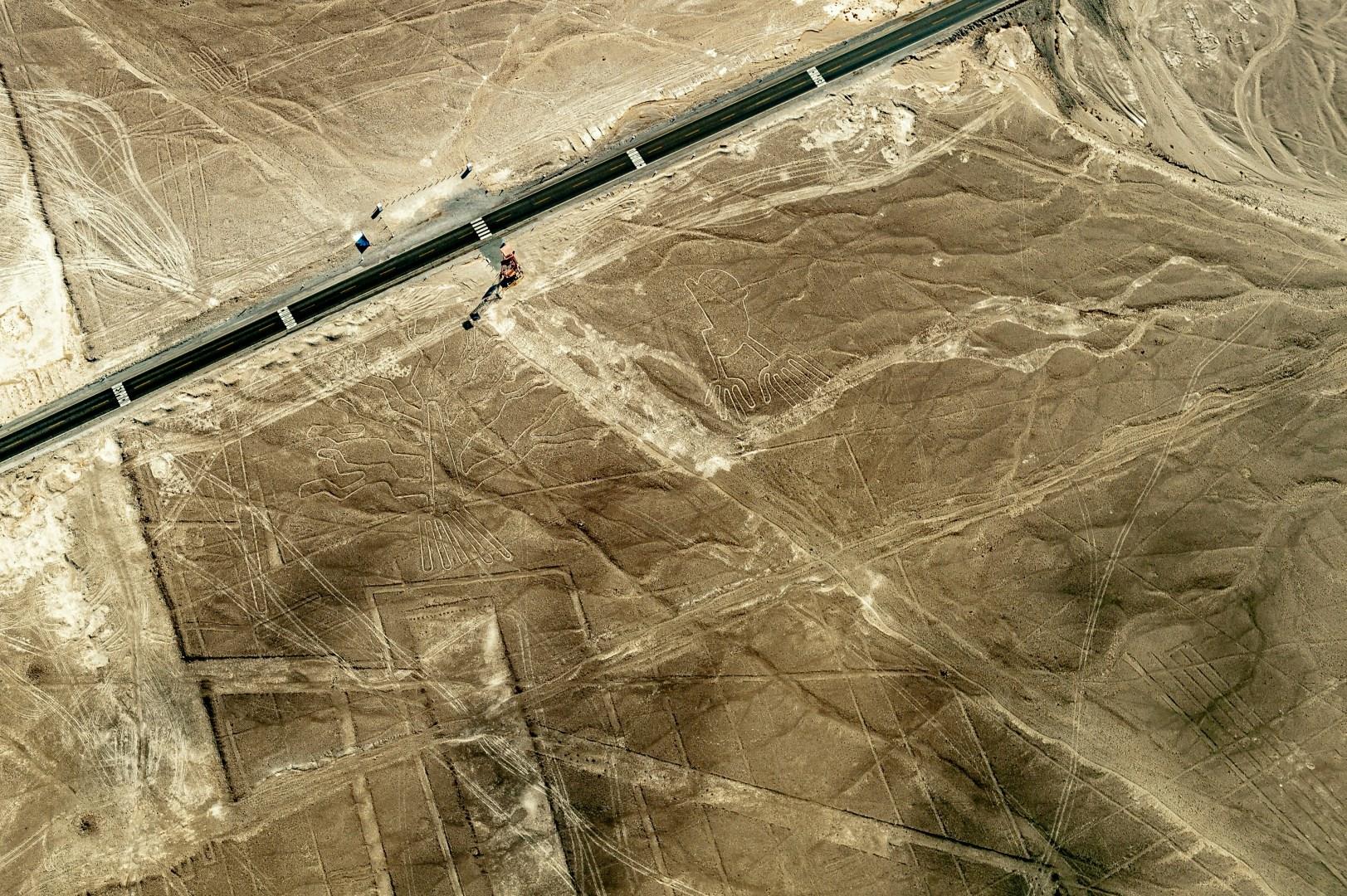
Nazca
In the southern deserts of Peru, Nazca invites visitors to look beyond the horizon. This small city is world-famous for the mysterious Nazca Lines, enormous geoglyphs etched into the desert floor more than 1,500 years ago. From the air, shapes like hummingbirds, monkeys, and even a stylized astronaut come into view, some stretching over 300 meters. Their exact purpose remains a mystery, fueling decades of theories.
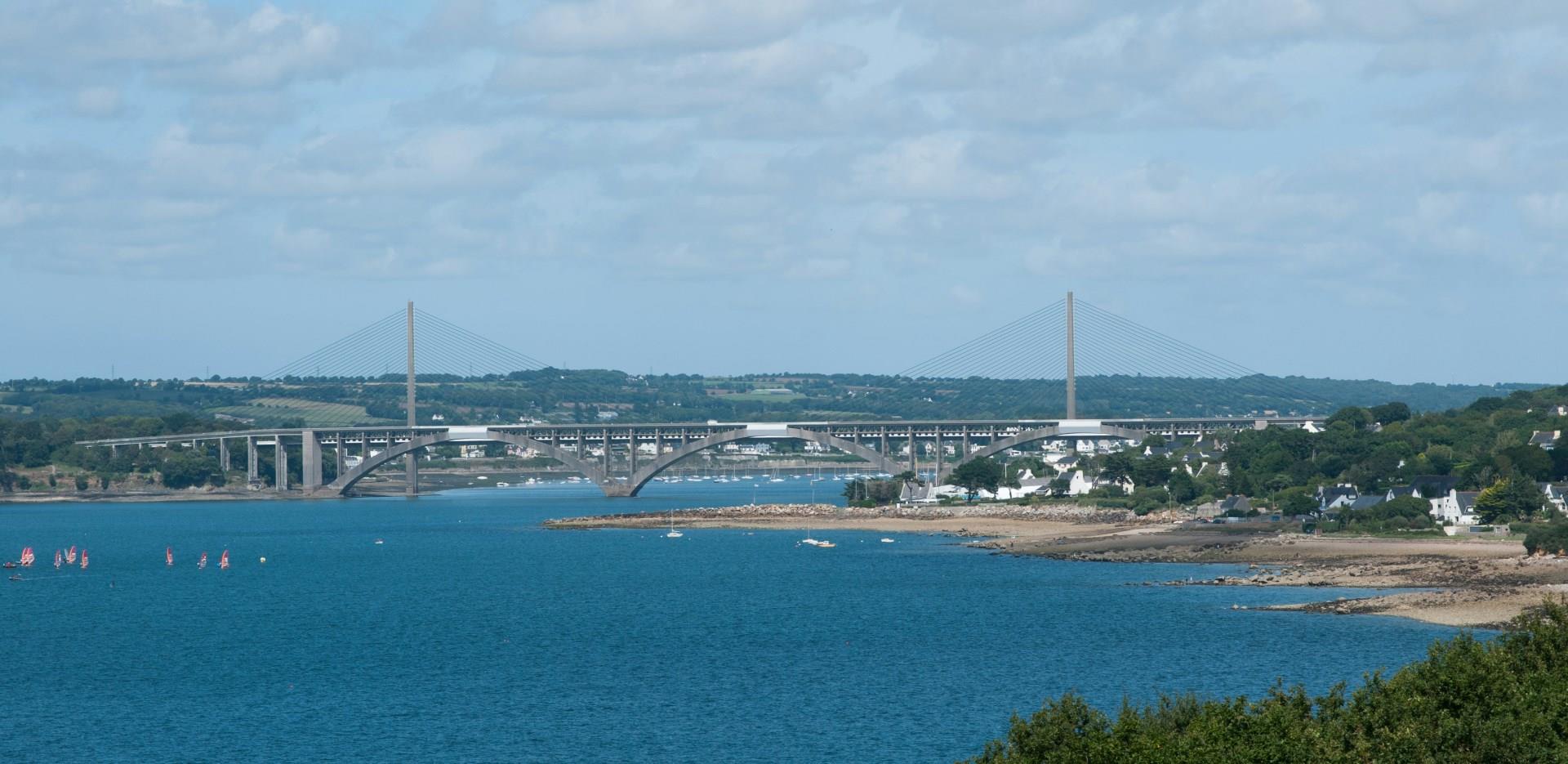
Brest
Brest sits at the western edge of Brittany, facing the Atlantic and shaped by its role as a strategic naval port. Much of the city was rebuilt after World War II, giving it a modern layout that contrasts with older Breton towns, yet its history remains closely tied to the sea.
