

Crotone
Located along the coast of Southern Italy, Crotone emanates a classic Italian lifestyle that appeals to tourists both foreign and domestic.

Warsaw
Warsaw stands as one of Europe’s most resilient cities, having rebuilt itself almost entirely after World War II. The Old Town, meticulously reconstructed using paintings by Italian artist Bernardo Bellotto, feels centuries old but is, in fact, less than a hundred years in its current form. Behind the medieval facades lie stories of uprisings, resistance, and quiet defiance. Visitors walking through Castle Square can enter the Royal Castle, where Poland’s Constitution of May 3, 1791 was adopted.

Burlington
Nestled along the shores of Lake Champlain, Burlington, Vermont, is a charming city that offers a blend of outdoor adventure, rich culture, and a vibrant arts scene. With the majestic Adirondack Mountains to the west and the Green Mountains to the east, Burlington is an ideal destination for those seeking natural beauty and a laid-back atmosphere. The city's waterfront is a must-see, featuring the scenic Burlington Bike Path that winds along the lake, offering breathtaking views, beaches, and pa

Mayreau
No airport, a single unnamed village, clear waters and white-sand beaches make Mayreau a quiet, rustic getaway.
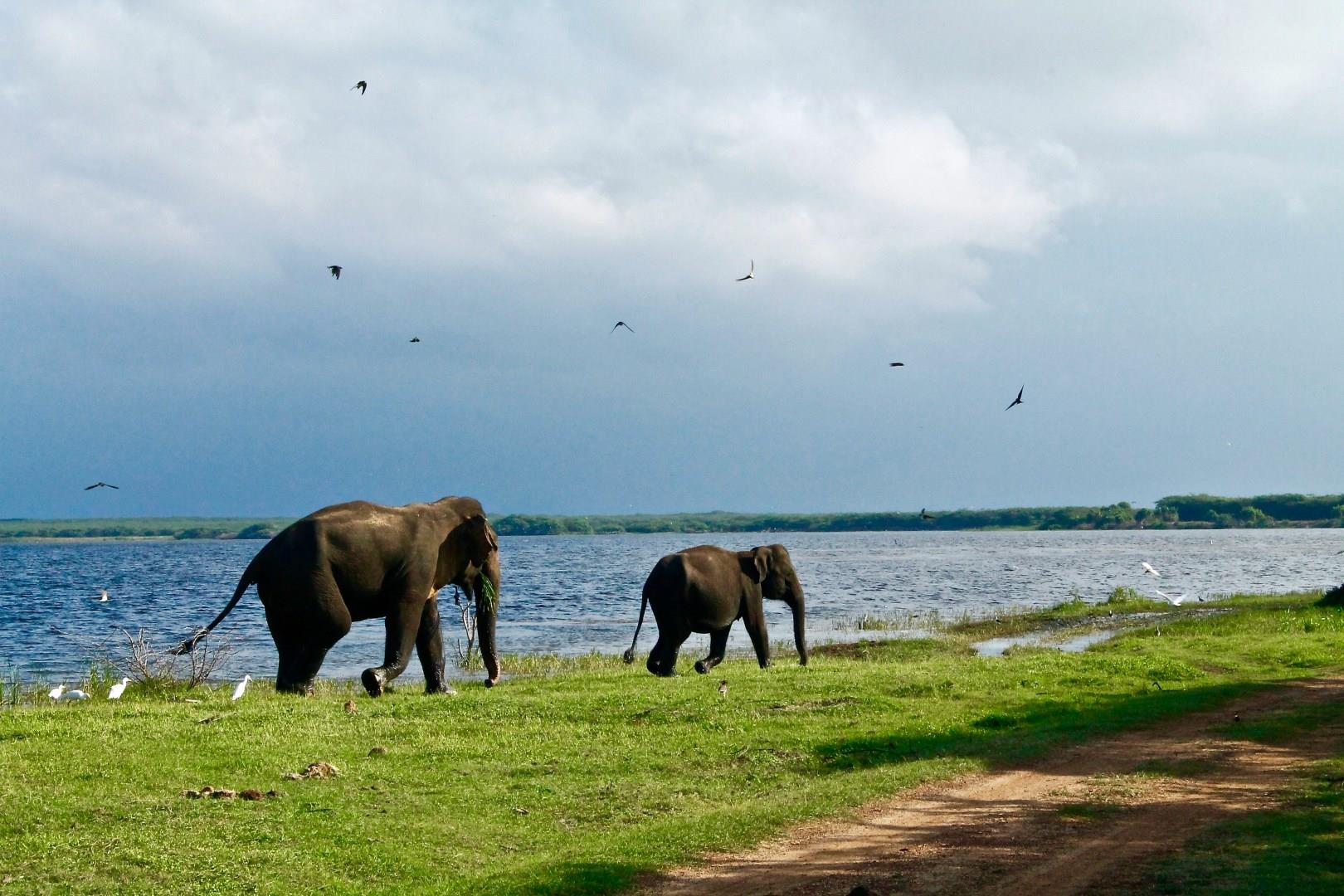
Tissamaharama
Tissamaharama, often called “Tissa” by seasoned travelers, sits in southern Sri Lanka as a town steeped in history and living culture. Once the capital of the ancient Ruhuna Kingdom in the 3rd century BCE, this settlement still radiates stories from the distant past in its temples, reservoirs, and even the streets where market life unfolds each day.
