

El Salvador
El Salvador, the smallest country in Central America, carries a big presence with its blend of history, culture, and dramatic landscapes. Known as the “Land of Volcanoes,” it has more than twenty within its borders, some of which remain active and shape the country’s terrain.

Dominica
Dominica, known as the “Nature Island of the Caribbean,” is a haven for eco-tourists and adventure seekers. Nestled between the French islands of Guadeloupe and Martinique, this lush island boasts a remarkable landscape of volcanic mountains, dense rainforests, and stunning waterfalls. Dominica’s most iconic natural wonder is the Boiling Lake, the second-largest hot spring in the world.
Niamey
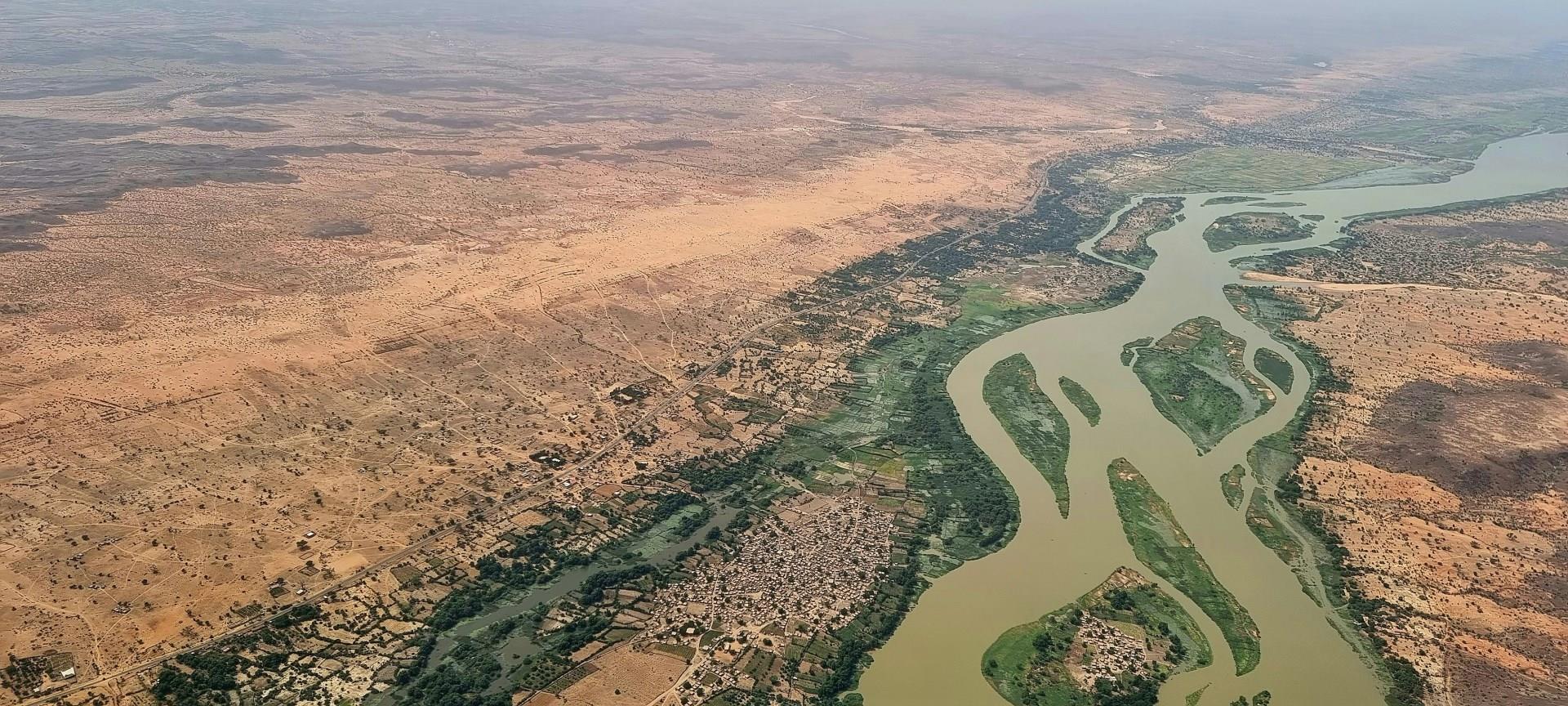
Niamey, the capital of Niger, sits along the banks of the Niger River and serves as the country’s political, economic, and cultural center. Its riverside setting provides both scenic views and a hub for local activities, from fishing to small boat transport.
Kuwait City
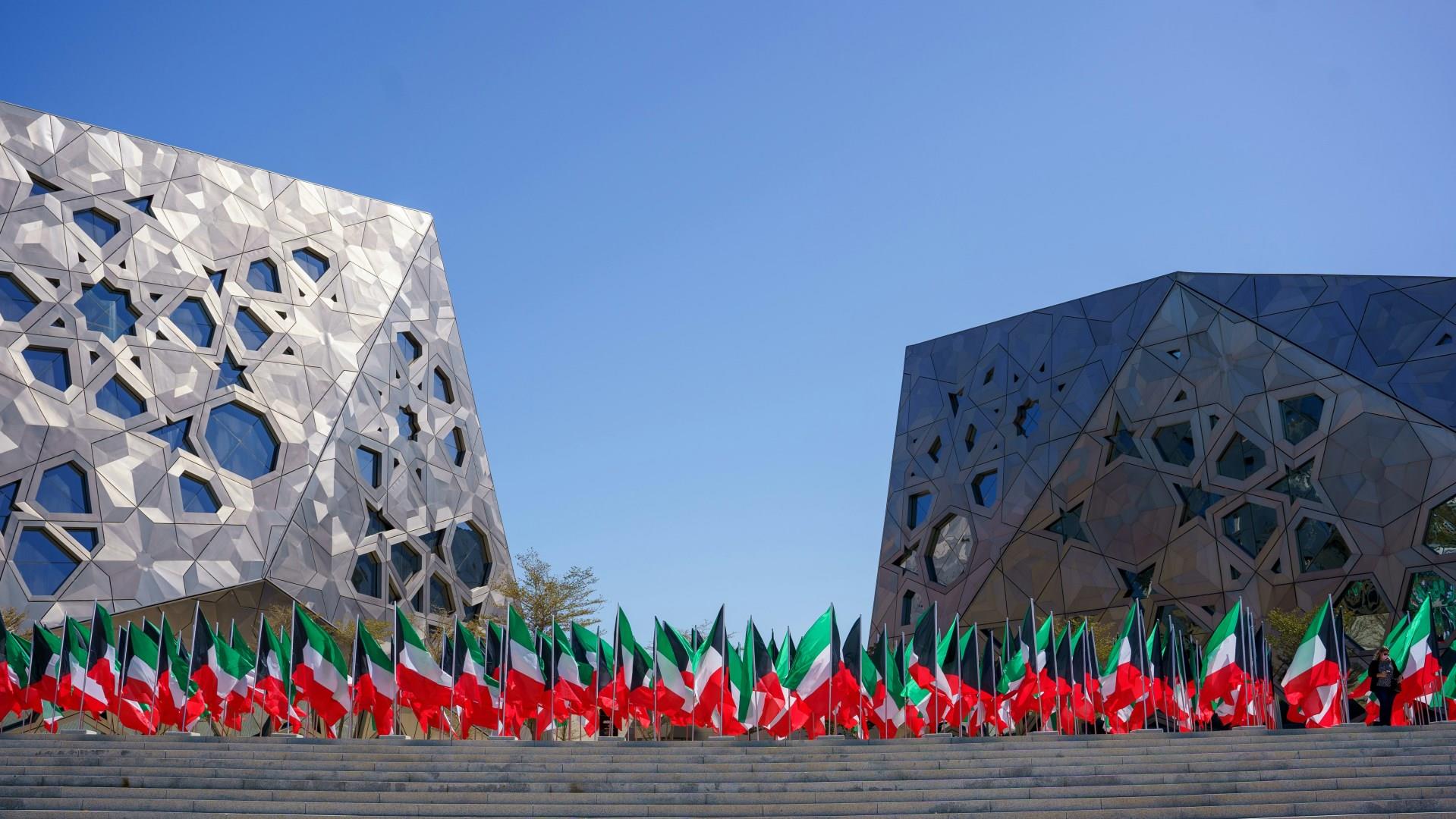
Kuwait City began as a modest fishing village and has evolved into a modern metropolis. The city's history is deeply rooted in its maritime heritage. The Dhow Harbour in Kuwait City offers a captivating glimpse into the nation's rich maritime past. Historically, dhows were essential for trade, fishing, and pearl diving, shaping Kuwait's economic and cultural identity. Today, the harbor remains a vibrant testament to this legacy, housing a variety of traditional wooden ships.

Puebla
Puebla, a city nestled in the heart of Mexico, is a captivating blend of colonial charm, vibrant culture, and rich history. Known as the "City of Angels," Puebla's well-preserved historic center is a UNESCO World Heritage site, filled with stunning baroque architecture, colorful tiled buildings, and bustling markets. Puebla is also a haven for food lovers, celebrated as the birthplace of some of Mexico’s most iconic dishes.
