

Malé
Located southwest of India and Sri Lanka, this small yet dense island capital is the cultural center of the Maldives.

Mount Nebo
Mount Nebo rises in western Jordan, overlooking the Jordan River Valley, the Dead Sea, and, on clear days, Jerusalem and Jericho.

Rome
Often called the Eternal City, Rome stands alone as Italy's most visited destination. The third most populated city in the European Union, Rome boasts ancient sites, yet has a modern flair — an exhilarating mix of the Old World and the new.
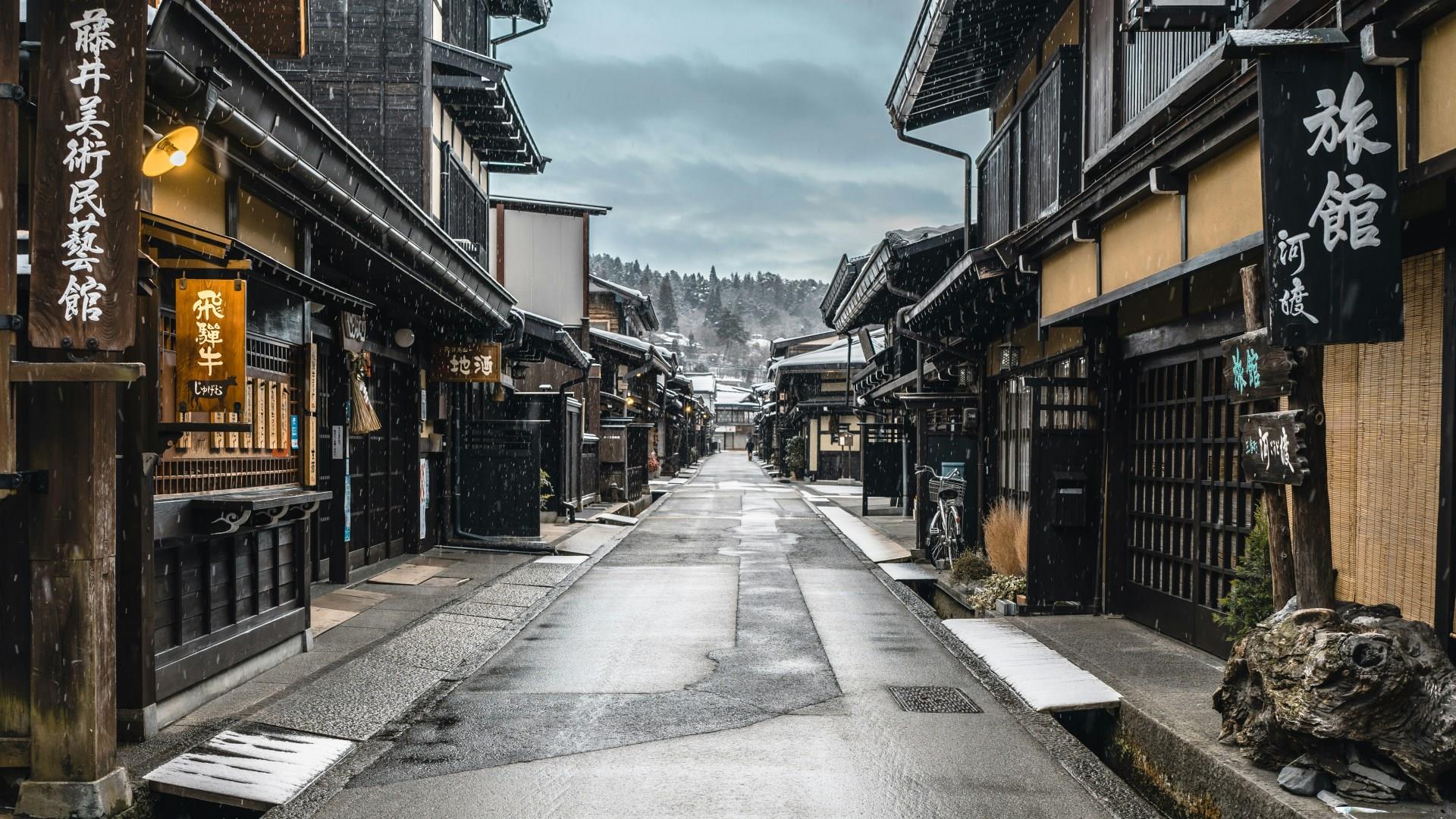
Takayama
Takayama, located in Japan’s mountainous Gifu Prefecture, is a city where traditional culture and natural beauty are remarkably well preserved.
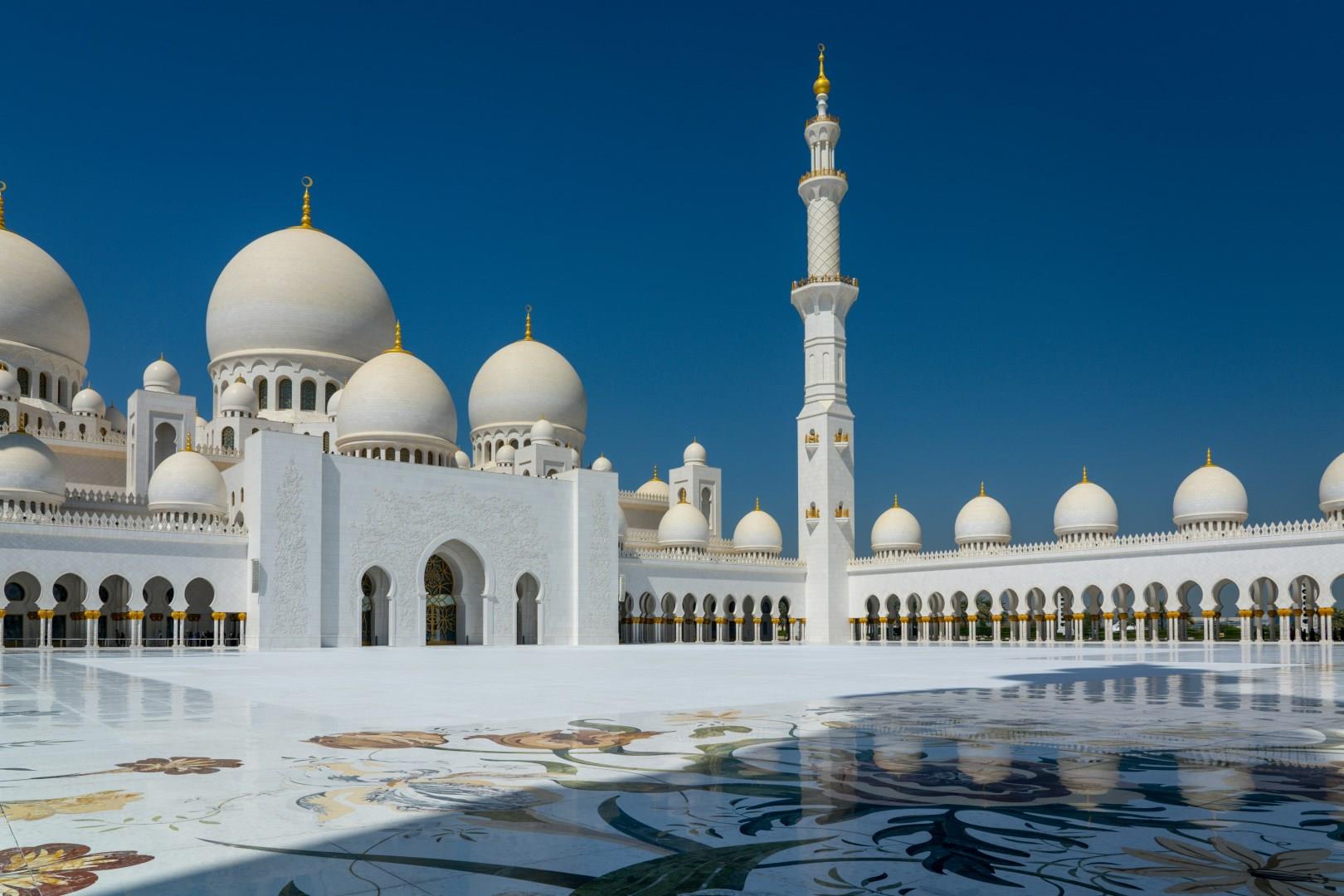
Fujairah
Fujairah stands apart among the emirates as the only one on the UAE’s eastern shore, where waves roll in from the Gulf of Oman and the Hajar Mountains rise sharply behind the city. Life here moves between sea and mountain, where coastal breeze meets rugged terrain, and echoes of ancient trade routes still shape the rhythm of settlements.
