
Trier
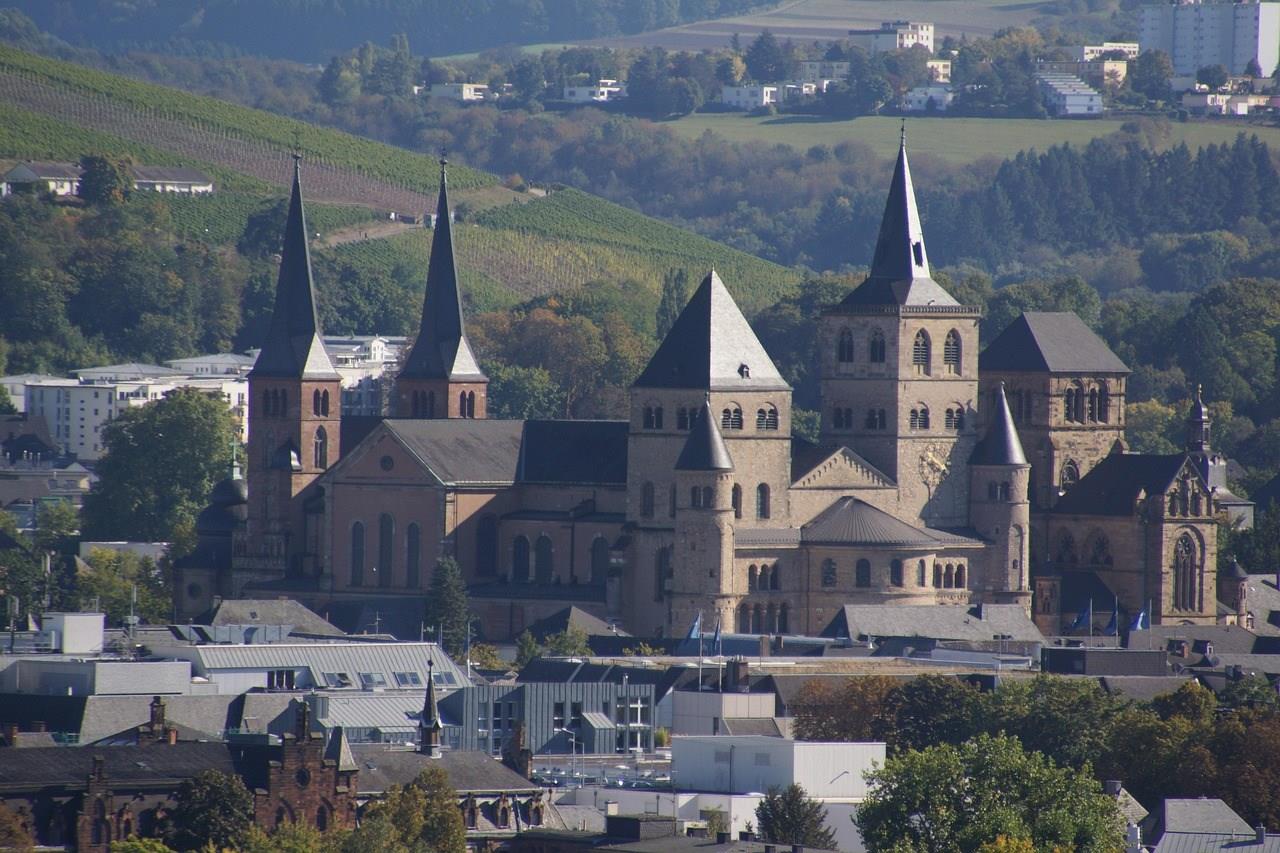
Trier, Germany’s oldest city, is a living museum nestled in the Moselle Valley, where Roman ruins rise beside medieval churches and bustling market squares. Founded by the Romans in 16 BCE, Trier was once known as “Roma Secunda,” the second Rome, and still boasts the largest collection of Roman architecture north of the Alps. The Trier Cathedral (Dom St. Peter), which is a UNESCO World Heritage Site, is the oldest church in Germany and houses a relic said to be the Holy Robe of Christ.
Mysore
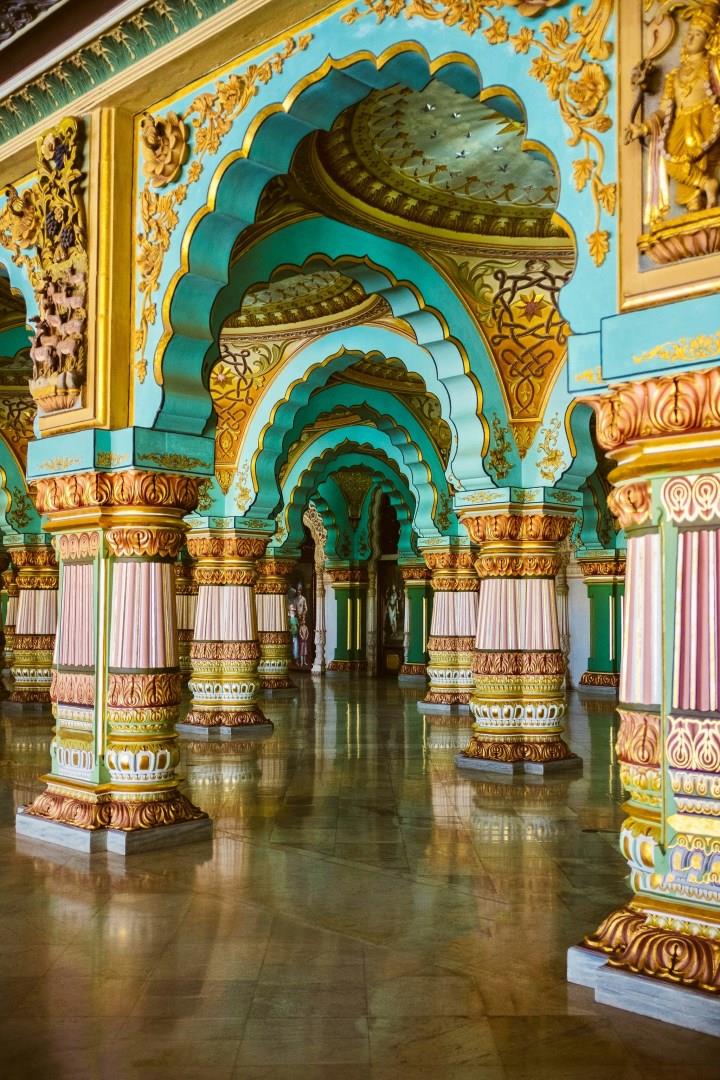
Mysore, often called the “Cultural Capital of Karnataka,” is a city where centuries-old royal heritage meets living tradition. Located at the foothills of the Chamundi Hills, it is best known for its palaces, wide boulevards, and colorful festivals. Once the seat of the Wadiyar dynasty, Mysore still carries an unmistakable royal influence that can be seen in its architecture, markets, and cultural celebrations.
Tissamaharama
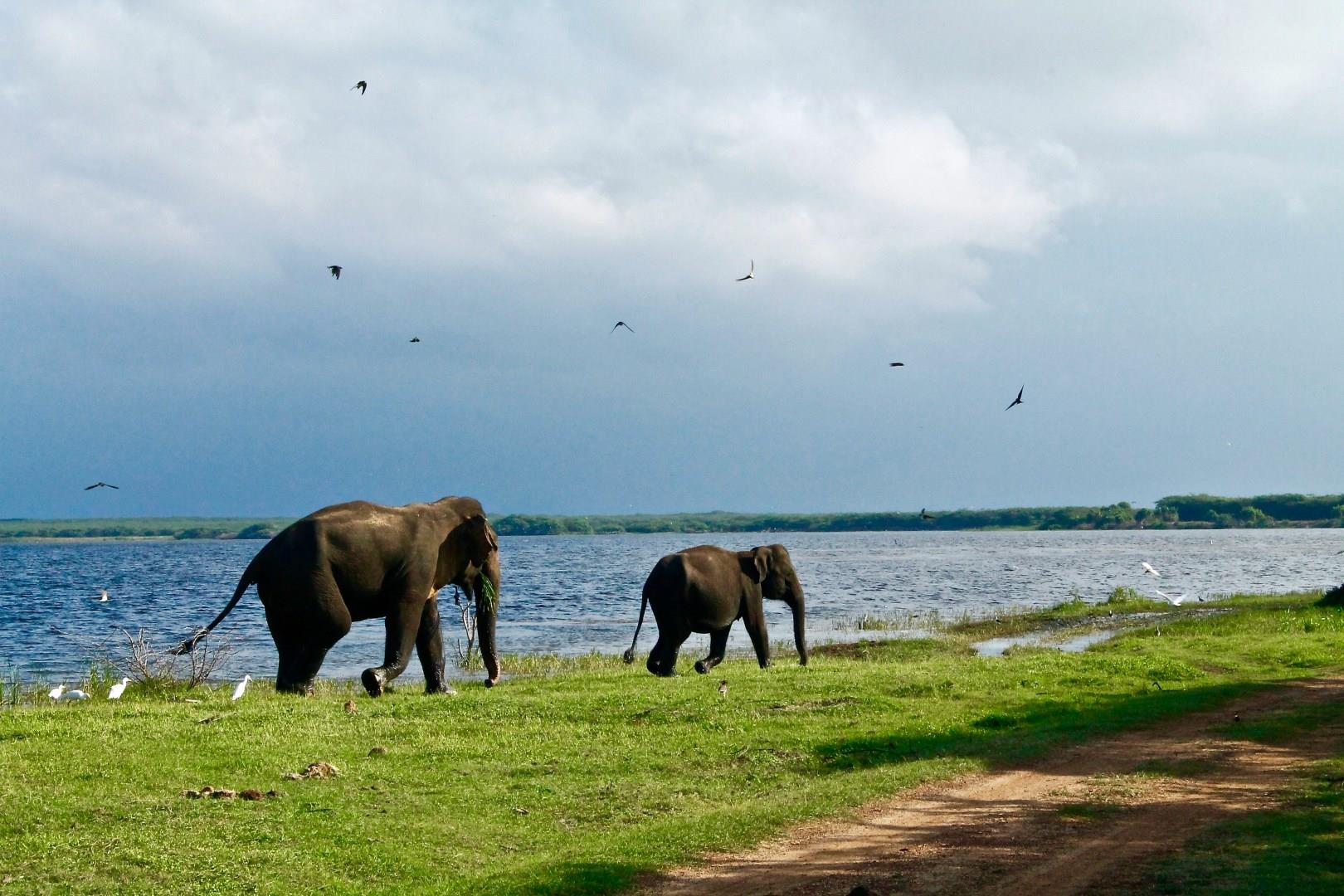
Tissamaharama, often called “Tissa” by seasoned travelers, sits in southern Sri Lanka as a town steeped in history and living culture. Once the capital of the ancient Ruhuna Kingdom in the 3rd century BCE, this settlement still radiates stories from the distant past in its temples, reservoirs, and even the streets where market life unfolds each day.
Braga
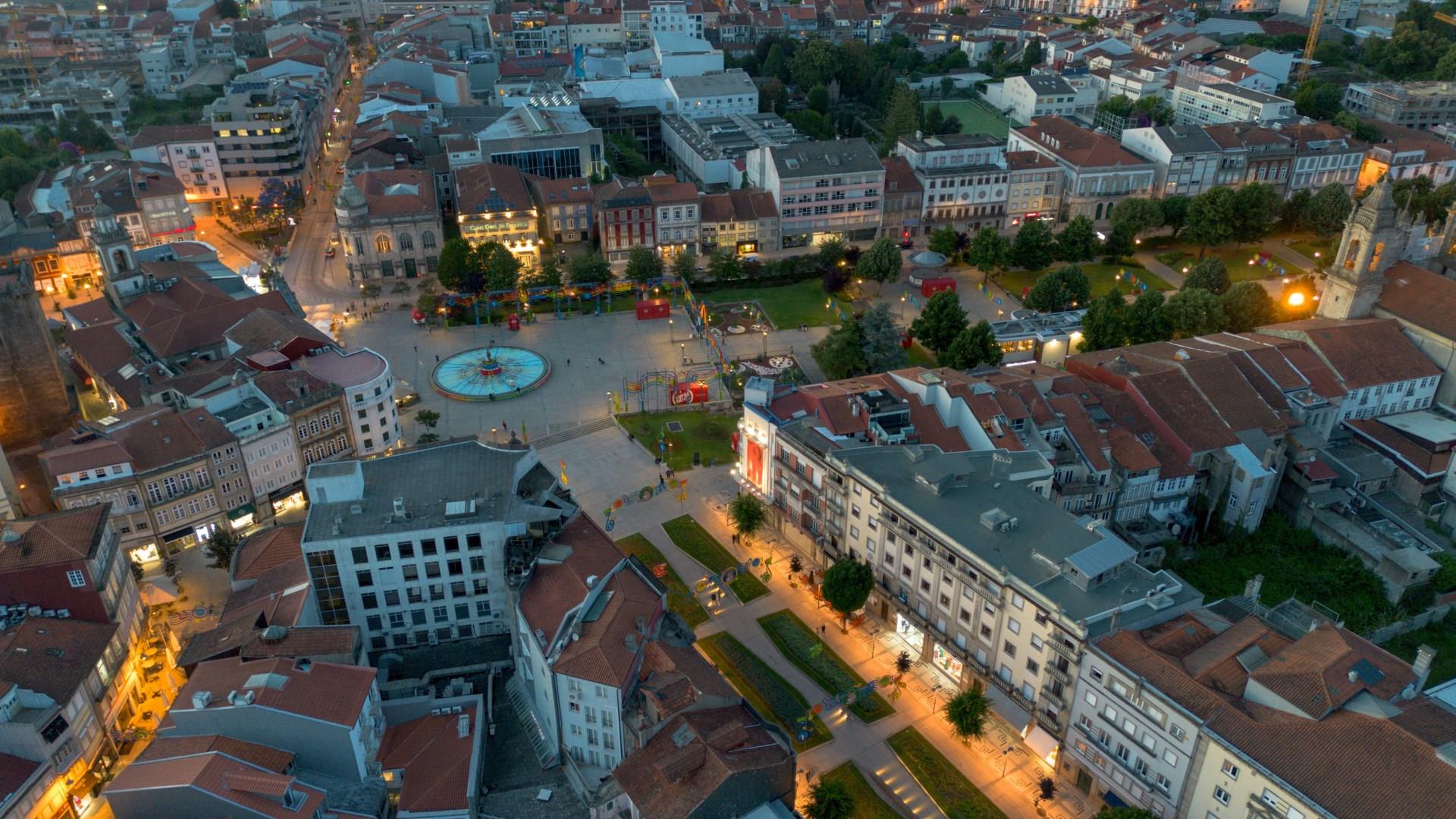
Braga, one of Portugal’s oldest and most vibrant cities, blends deep religious heritage with a youthful, energetic spirit. Founded over two millennia ago by the Romans as Bracara Augusta, the city has long been a center of faith and culture, earning it the nickname “the Rome of Portugal.”

Uruguay
Uruguay may be one of South America's smallest countries, but it packs a striking variety of experiences into its compact borders. From the cobbled streets of Colonia del Sacramento to the avant-garde coastline of José Ignacio, Uruguay blends old-world charm with modern personality. Montevideo, the capital, offers a glimpse into everyday life with its seaside promenade, called the “Rambla,” which stretches over 20 kilometers along the Río de la Plata.
