
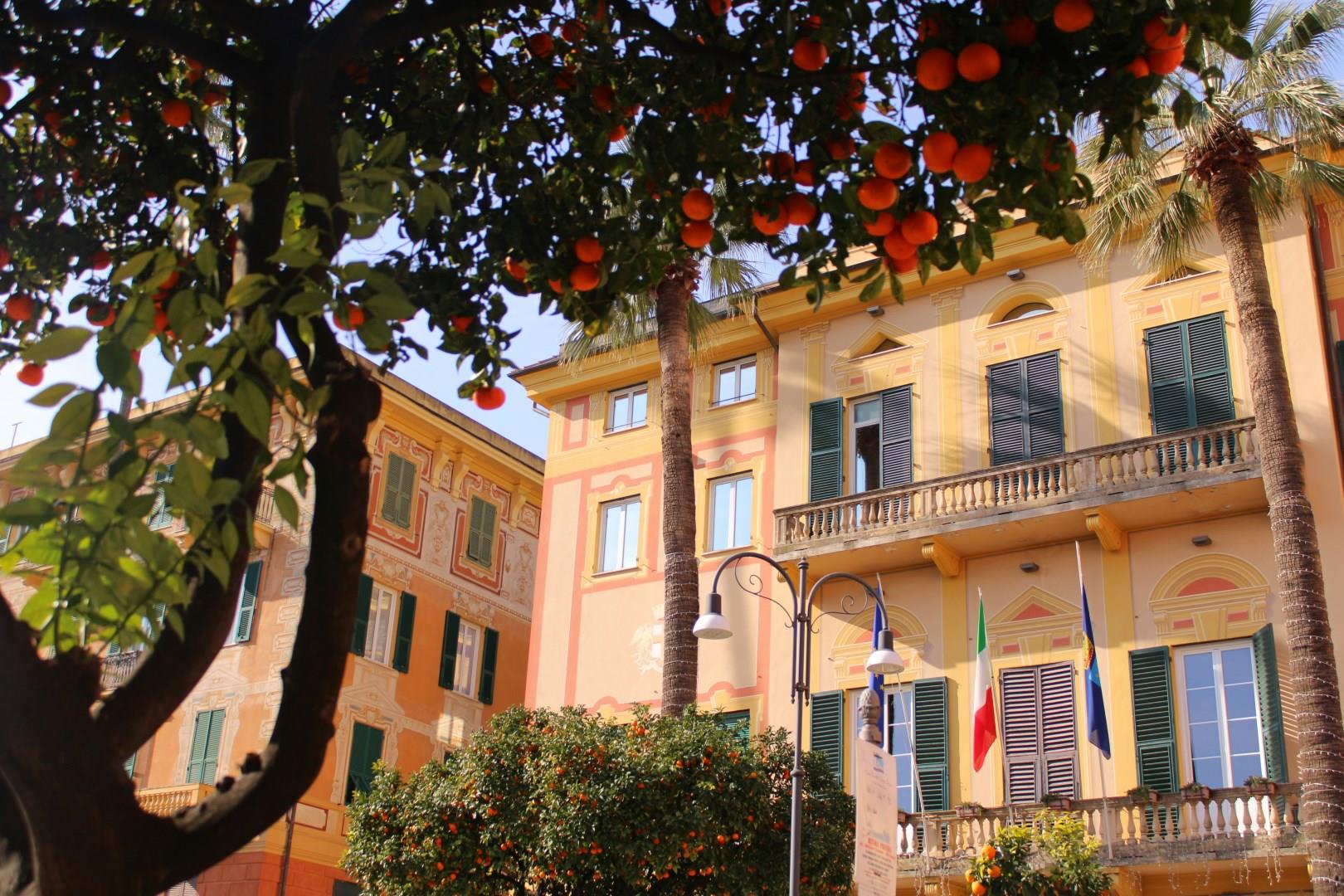
Santa Margherita Ligure
Santa Margherita Ligure, a seaside town on Italy’s Ligurian Riviera, offers a blend of coastal scenery, elegant architecture, and maritime traditions. Nestled between Rapallo and Portofino, it has long attracted travelers seeking both relaxation and a glimpse of authentic Italian life. The town’s waterfront is lined with pastel-colored buildings, fishing boats, and palm trees, creating a scene that feels both timeless and lively.

Luang Prabang
Luang Prabang, the jewel of northern Laos, captivates travelers with its blend of serene spirituality, French colonial charm, and breathtaking natural beauty. This UNESCO World Heritage Site is nestled between the Mekong and Nam Khan rivers, creating a tranquil setting where time seems to slow down. Here, ancient temples with glistening spires, like Wat Xieng Thong, sit alongside quaint colonial-era villas, inviting visitors to explore the harmonious fusion of Lao and French cultures.
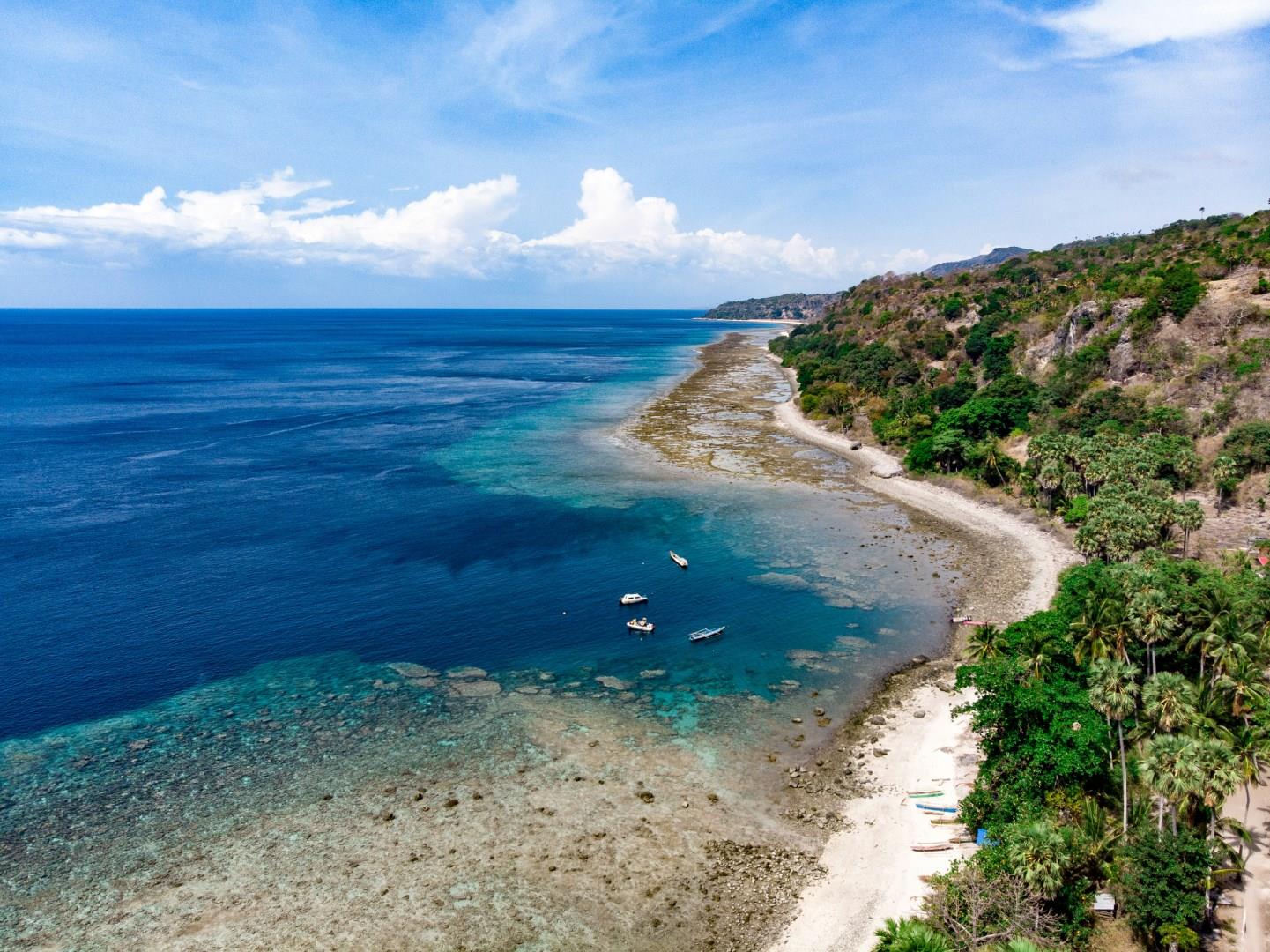
Adara
Adara is a small, remote village on Atauro Island in Timor-Leste, known for its quiet charm and deep connection to the sea. Nestled between steep mountain slopes and the turquoise waters of the Wetar Strait, the community lives largely from fishing and small-scale agriculture.

Belize City
A frequent stop for Caribbean cruises, this Central American destination will delight you with local flea markets, museums, and delicious eats.

Silistra
Silistra, a charming city located on the southern bank of the lower Danube River in Bulgaria, is a hidden gem that seamlessly blends ancient history with natural beauty.
