
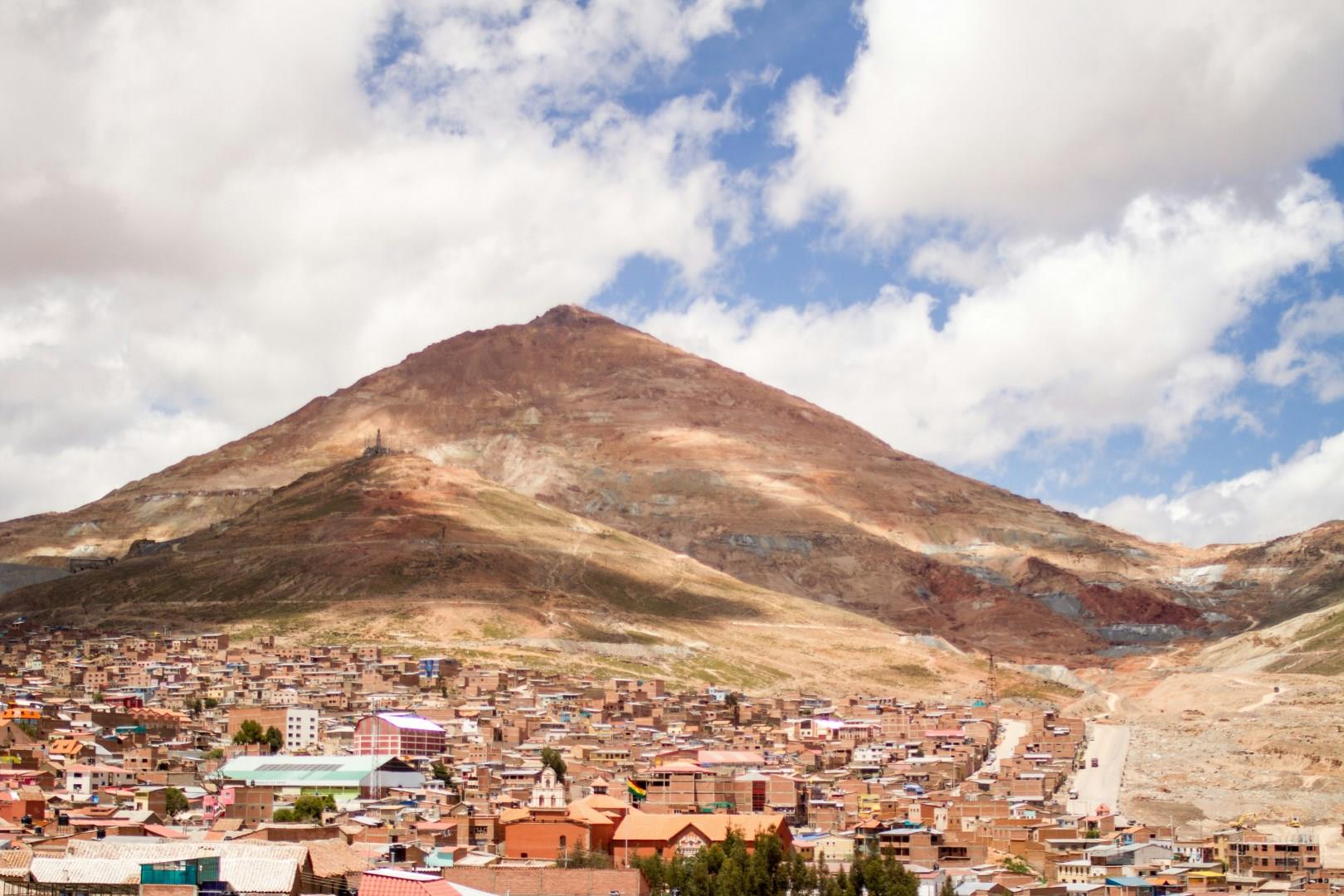
Potosi
Potosí rises on the Altiplano of southern Bolivia and for centuries it was one of the richest cities in the world because of what lies just beyond its streets. At the foot of Cerro Rico (“Rich Mountain”), silver was discovered in the mid-1500s, and within a few decades the city became a center of mining and wealth that shaped global trade and economies.
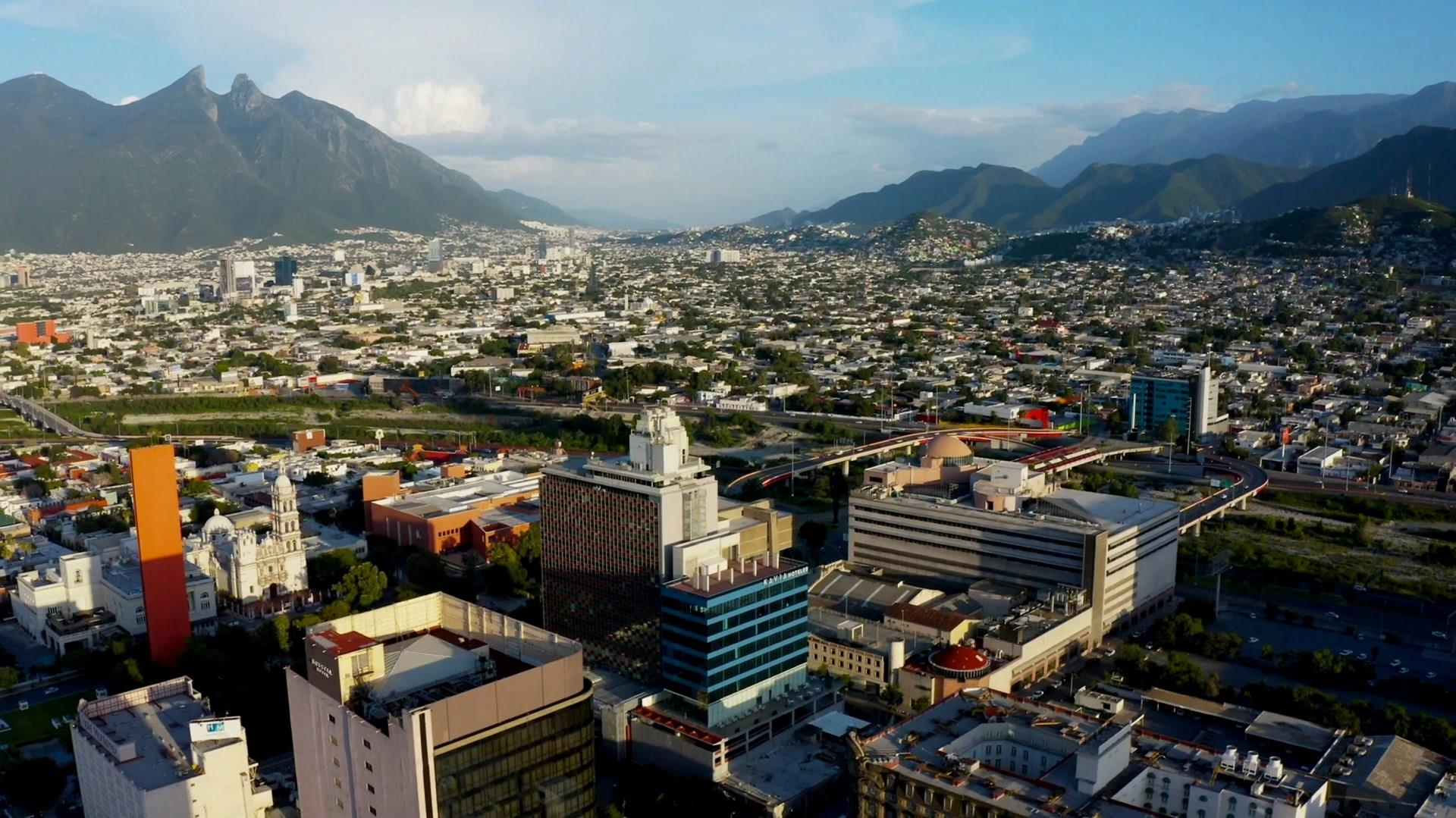
Monterrey
Monterrey, the capital of Nuevo León, stands at the foot of the Sierra Madre Oriental and has long been recognized as one of Mexico’s most industrial and innovative cities. The Macroplaza is one of the largest public squares in Latin America and links historic buildings like the 18th-century Metropolitan Cathedral with newer sites like the Museo de Historia Mexicana and the Faro del Comercio, a towering orange structure that beams a green laser across the sky each night.
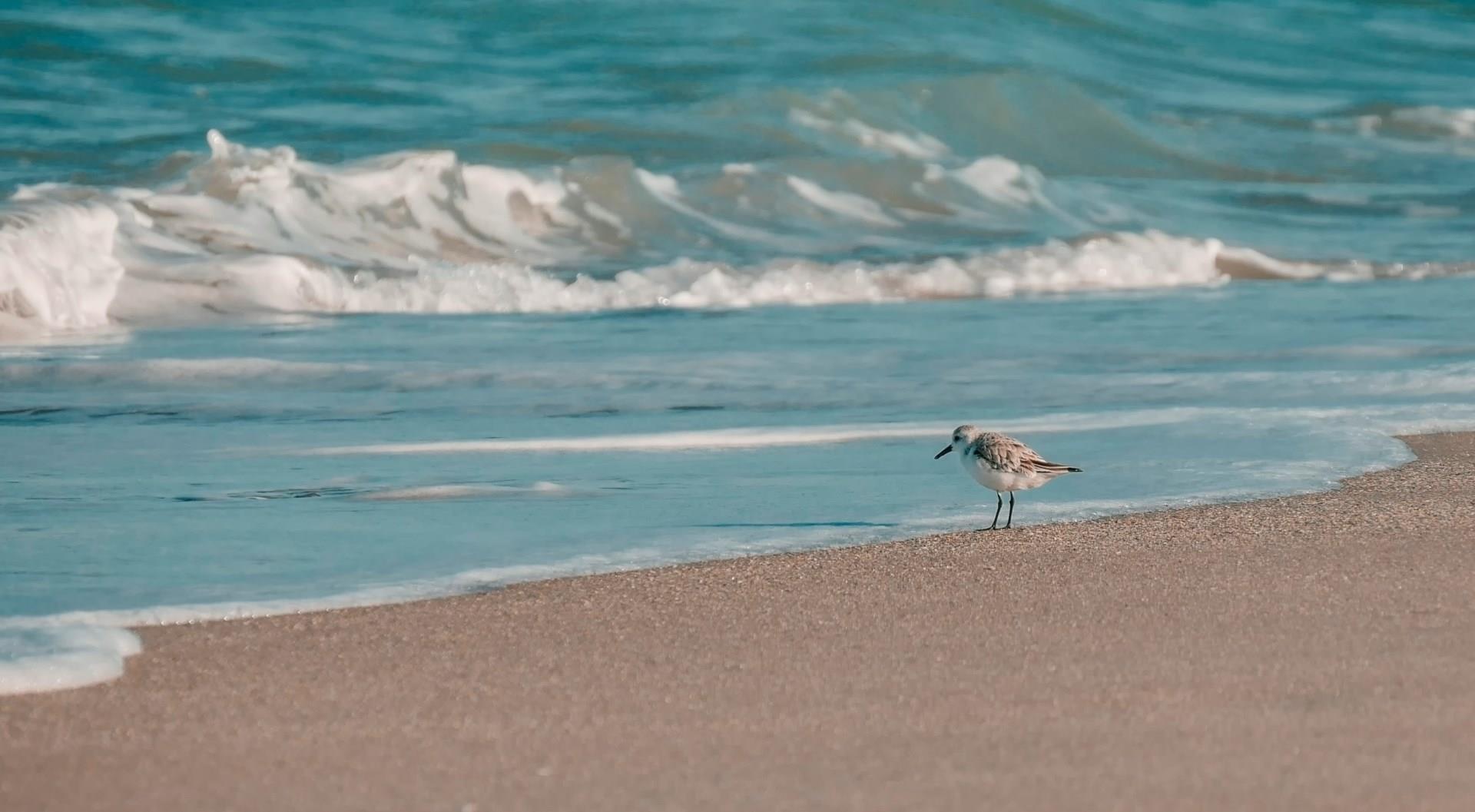
Melbourne
Melbourne, Florida, is a charming city that combines coastal beauty with a rich tapestry of cultural and recreational activities. Nestled along the Atlantic coast, Melbourne offers pristine beaches and vibrant outdoor experiences. The Historic Downtown Melbourne is a delightful area where you can explore unique shops, dine at quaint restaurants, and soak in the small-town charm.

Indonesia
Indonesia, the world’s largest archipelago, stretches across more than 17,000 islands, each offering its own cultural traditions, landscapes, and experiences. From volcanic peaks to tropical beaches and ancient temples, the country is as diverse as it is expansive.

Nuku Hiva Island
Nuku Hiva is the largest of the Marquesas Islands in French Polynesia, a place where scale and isolation shape both history and daily life. Long before European contact, the island supported complex Marquesan societies known for stone architecture, tattoo traditions, and ceremonial sites, many of which remain scattered across its valleys.
