

Cappadocia
The ancient region of Cappadocia lies in Central Anatolia, between the cities of Nevsehir, Kayseri and Nigde. Here, the traveler finds one of the most fantastic landscapes in the world. Wind and weather have eroded the soft volcanic rock with hundreds of strangely shaped pillars, cones and "fairy chimneys", often very tall, and in every shade from pink through yellow to russet browns.
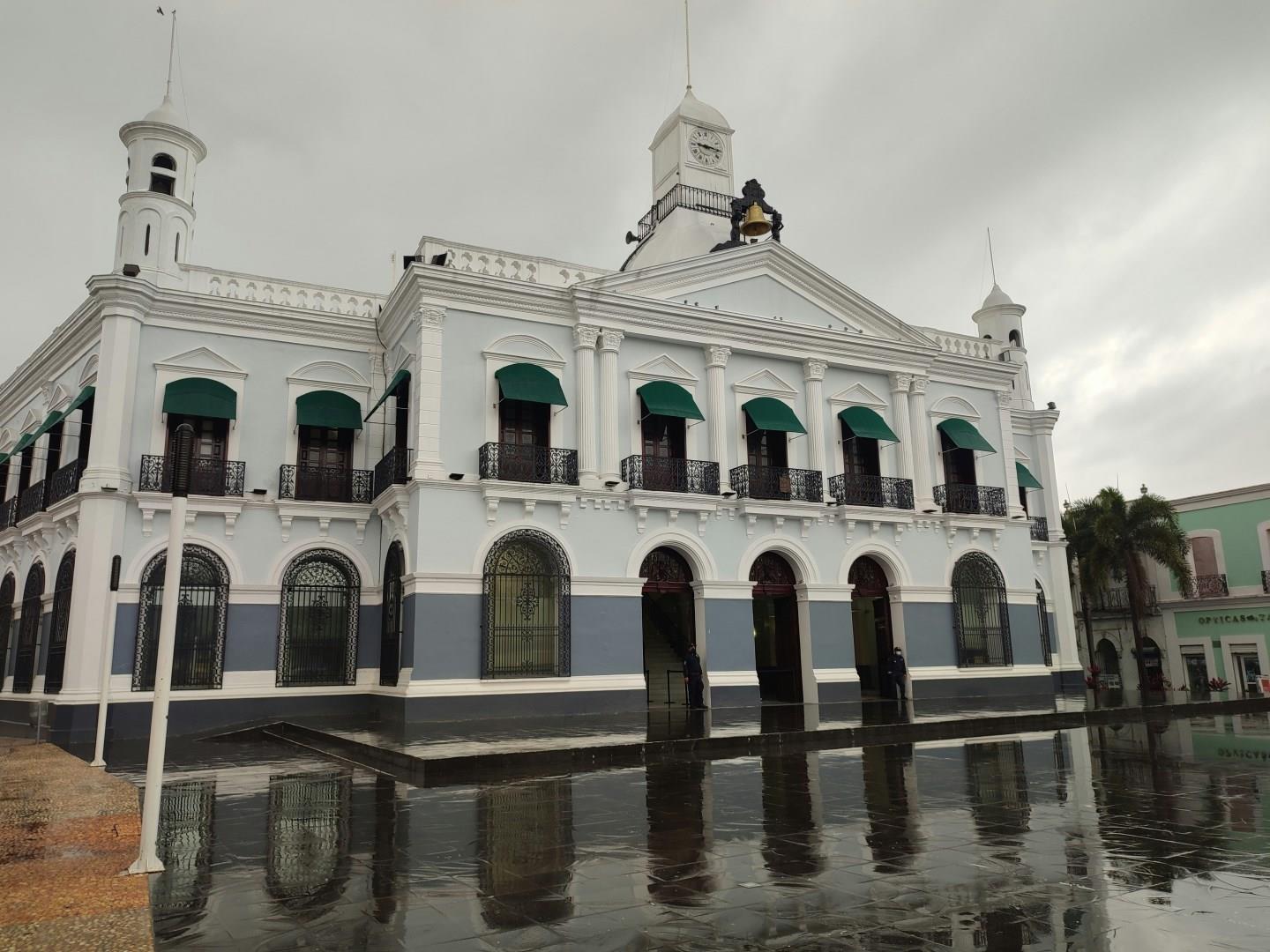
Villahermosa
Villahermosa, the capital of Tabasco, is a city where ancient civilizations, tropical landscapes, and modern life intersect. Known as the “gateway to the Mayan world,” the city sits on the banks of the Grijalva River and serves as a cultural hub for southeastern Mexico. One of its most unique attractions is Parque-Museo La Venta, an open-air museum that blends archaeology with a jungle setting.
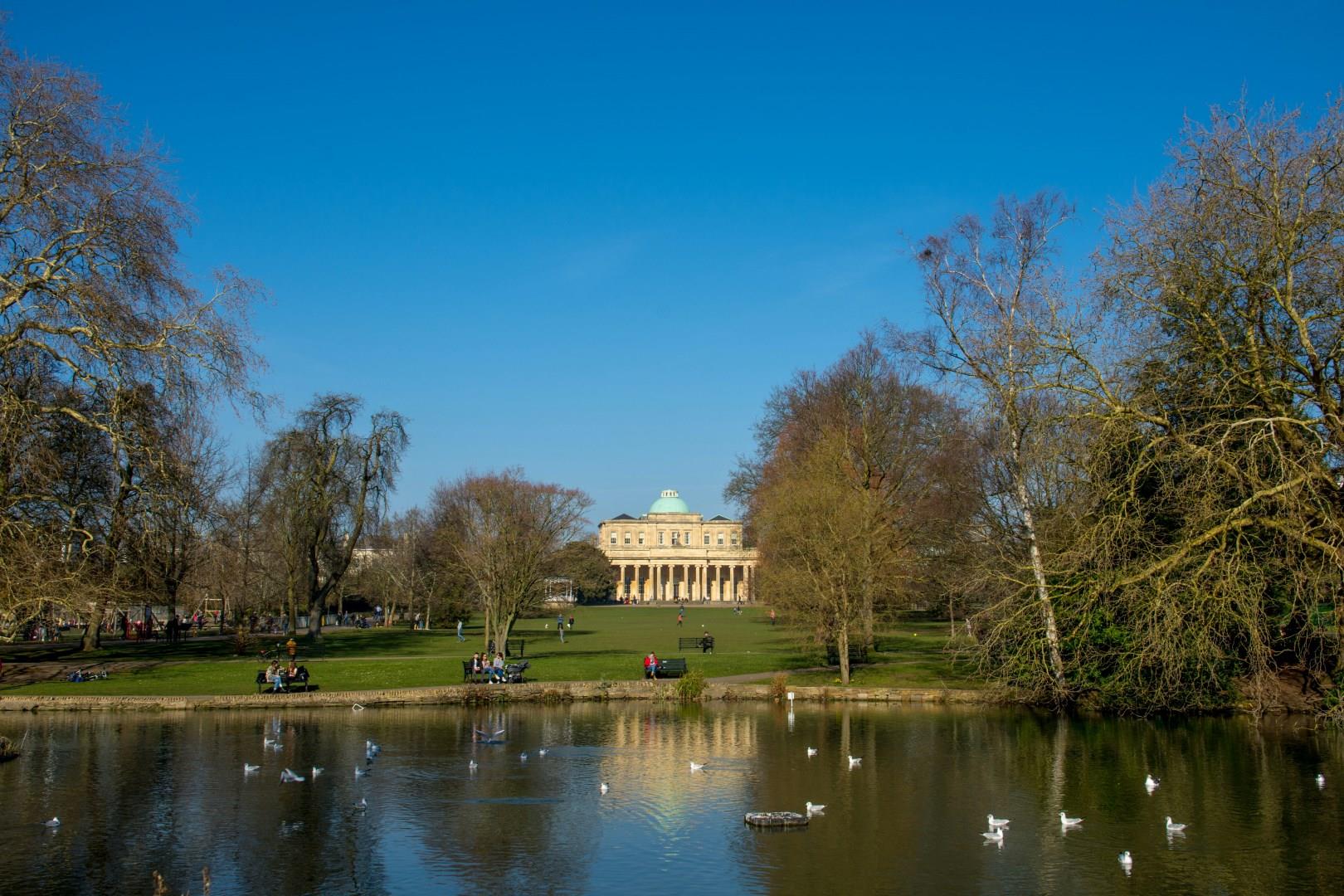
Cheltenham
Cheltenham is a Regency-era spa town in Gloucestershire known for its elegant streets, welcoming squares and an inviting pace of life that has drawn visitors since the 1700s. The town pulses with festivals through the year, giving travelers reason to return again and again. Cheltenham Literature Festival, the longest-running festival of its kind in the world, brings writers and readers together each autumn for talks, readings and book signings that span many genres.

Alice Springs
Alice Springs, located in the heart of Australia’s Red Centre, is a town deeply connected to the desert landscapes and Aboriginal culture that define the region. Long an important meeting place for the Arrernte people, it remains a center of Indigenous art and traditions, with galleries and cultural institutions showcasing some of the world’s most renowned Aboriginal artworks and stories.

Hue
Its legacy as the former imperial capital of Vietnam is just one of many reasons to visit Hue.
For more than a century, the emperors of the Nguyen dynasty (1802-1945) ruled from the Forbidden Purple City, the innermost enclosure of the citadel. Today, this complex is designated as a UNESCO World Heritage site and draws millions of visitors each year.
For more than a century, the emperors of the Nguyen dynasty (1802-1945) ruled from the Forbidden Purple City, the innermost enclosure of the citadel. Today, this complex is designated as a UNESCO World Heritage site and draws millions of visitors each year.
