

Le Havre
Le Havre is a captivating port city in Normandy, France where the English Channel meets the Seine River. Having evolved from a small fishing village into a bustling maritime hub, it is a blend of rich history, modern architecture, and stunning natural beauty. The city's historic roots are especially evident in landmarks such as the Graville Abbey, one of the oldest monuments in the area, and the impressive St. Joseph's Church, a modern architectural marvel designed by Auguste Perret.

Sedona
Nestled amid the stunning red rock formations of northern Arizona, Sedona is a destination where natural beauty, spiritual energy, and outdoor adventure converge. Known for its vibrant landscape of towering red rocks, Sedona is often called “Red Rock Country.” Visitors can explore this breathtaking terrain through a myriad of trails suitable for all skill levels.

Cabo San Lucas
Nestled on the southern tip of California's Baja Peninsula, there's a feeling of peace on Cabo San Lucas, Mexico. Find your own private sand dune and bask in the sun. Walk along the famous Playa del Amor or explore Cabo's unique rock formations that are found in almost every cove. For a special treat, stop and watch artists create black coral jewelry.

Victoria
Victoria, the capital of Seychelles, is often described as one of the world’s smallest capitals, yet it brims with color and character. Located on Mahé Island, the city is both a cultural hub and a gateway to the surrounding beaches and mountains.
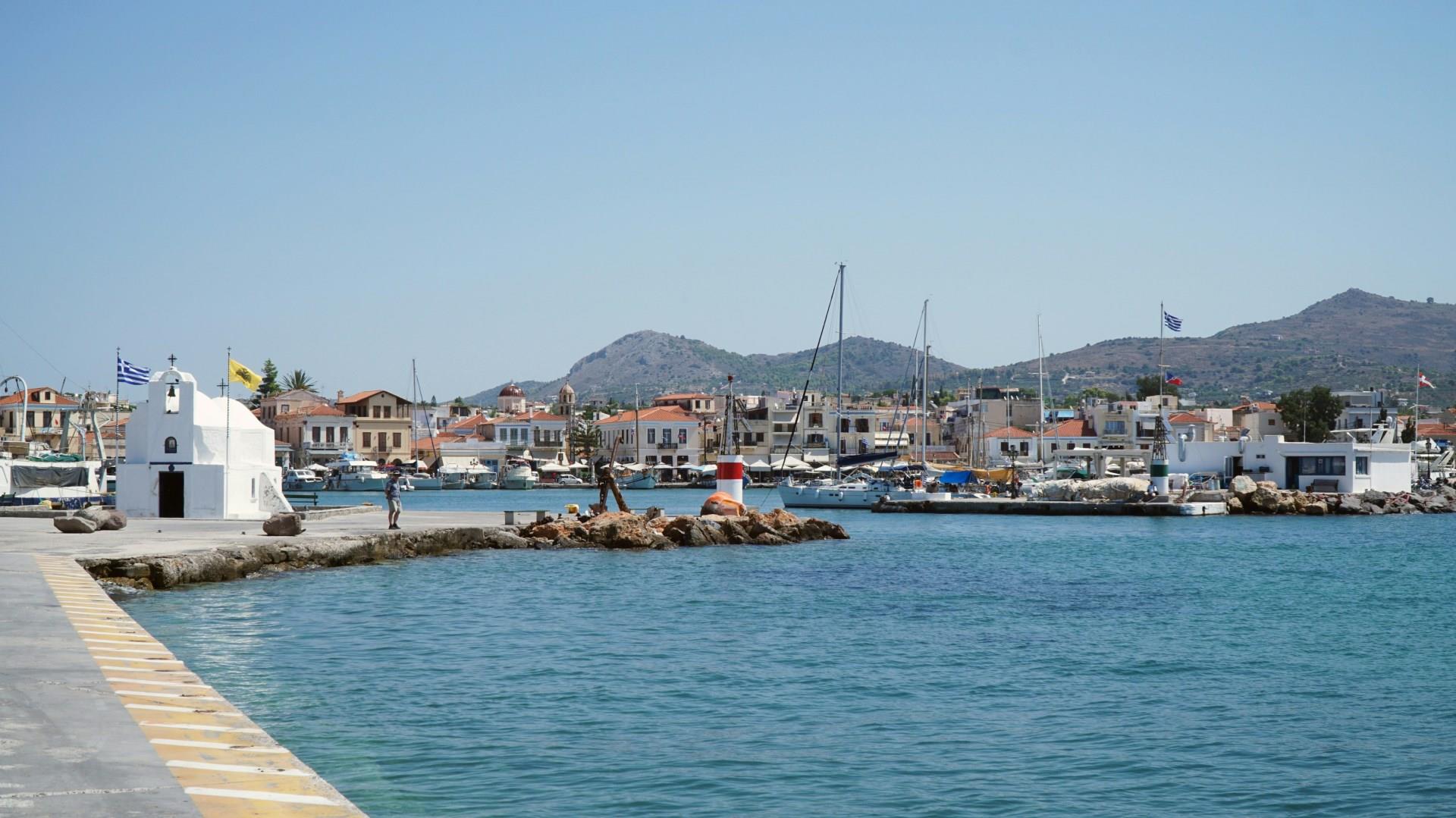
Aegina
Aegina, one of the Saronic Islands of Greece, is a short ferry ride from Athens yet feels far removed from the capital’s energy. Known since antiquity as a thriving maritime and cultural center, the island still preserves echoes of its past in archaeological sites and traditional villages.
