

Lapland
The region of Lapland, Finland, is a dream come true for travelers in search of a real winter wonderland. The area has long been associated with Father Christmas, reindeer and a dense, snow-covered wilderness.

Brno
Brno, the vibrant heart of the Czech Republic's Moravian region, offers a captivating blend of historical charm and modern dynamism. As the second-largest city in the country, Brno is known for its striking architecture, including the Špilberk Castle, which overlooks the city from its hilltop perch. Originally a medieval fortress, Špilberk Castle has evolved into a cultural and historical museum, showcasing exhibits on the city’s rich past and providing panoramic views of Brno.

San Cristóbal Island
One of San Cristobal Island's most popular visitor sites is Cerro Brujo, with its expansive white sand beach and a lagoon that locals once used as a salt mine but now offers excellent snorkeling opportunities. Another must-see is Kicker Rock, a fascinating rock formation that looks like a boot from one angle (hence its English name) and like a sleeping lion from another (thus its Spanish name, Roca León Dormido).
Colca Canyon
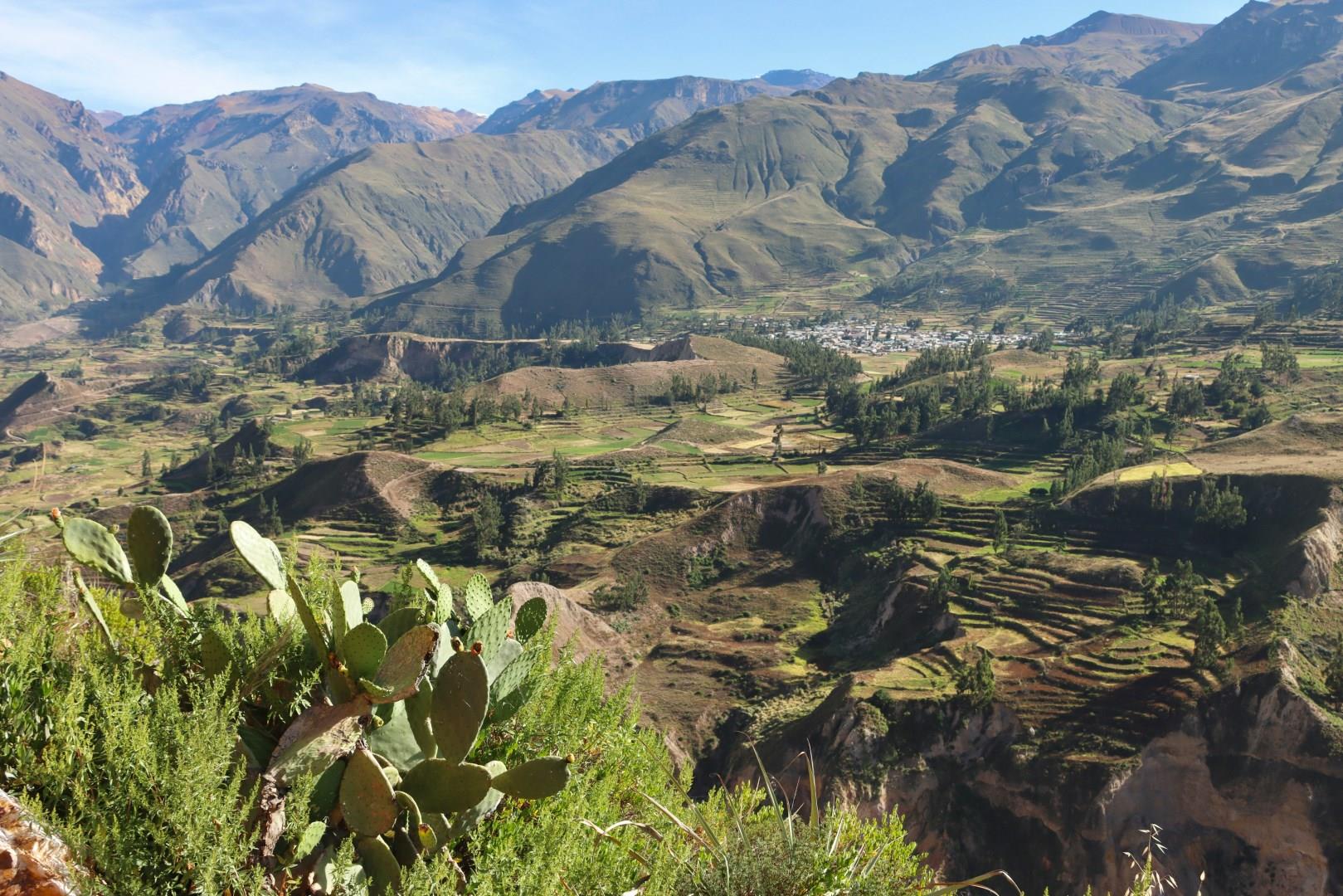
Colca Canyon, located in southern Peru’s Arequipa region, is one of the deepest canyons in the world, twice as deep as the Grand Canyon in some areas. What makes it stand out even more is how human settlements have coexisted with the landscape for centuries. Along its walls, pre-Inca agricultural terraces still hold crops like corn and quinoa. One of the main draws of the canyon is the opportunity to see Andean condors in flight.
Te Anau
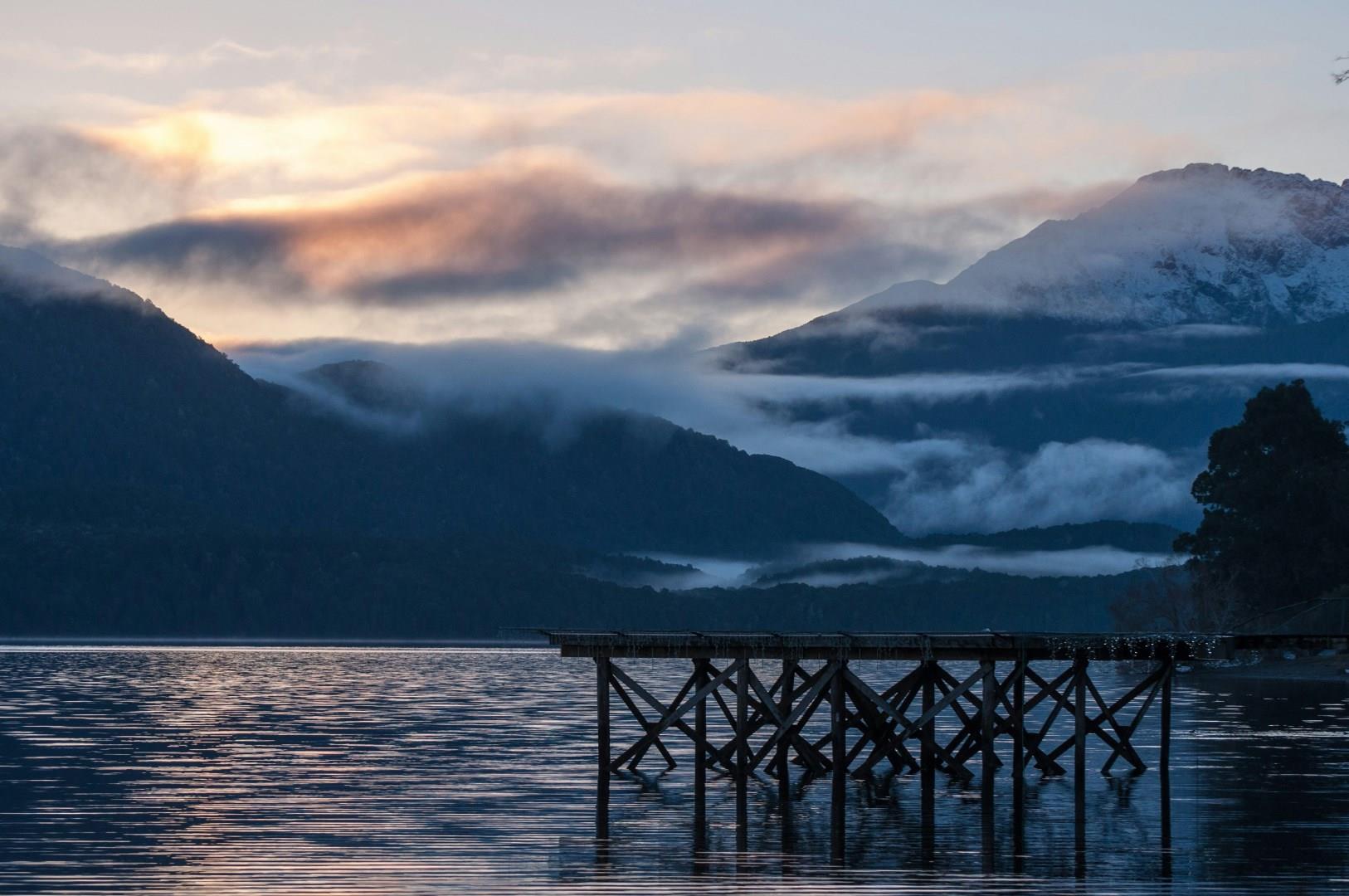
Te Anau sits on the edge of New Zealand’s second-largest lake, acting as the unofficial gateway to Fiordland National Park. While it’s often viewed as a starting point for trips to Milford Sound, the town itself offers a slower, more scenic way to experience the South Island’s dramatic landscapes. Te Anau’s lakefront is a mix of walking paths, local birdlife, and wide-open views across snow-dusted peaks.
