
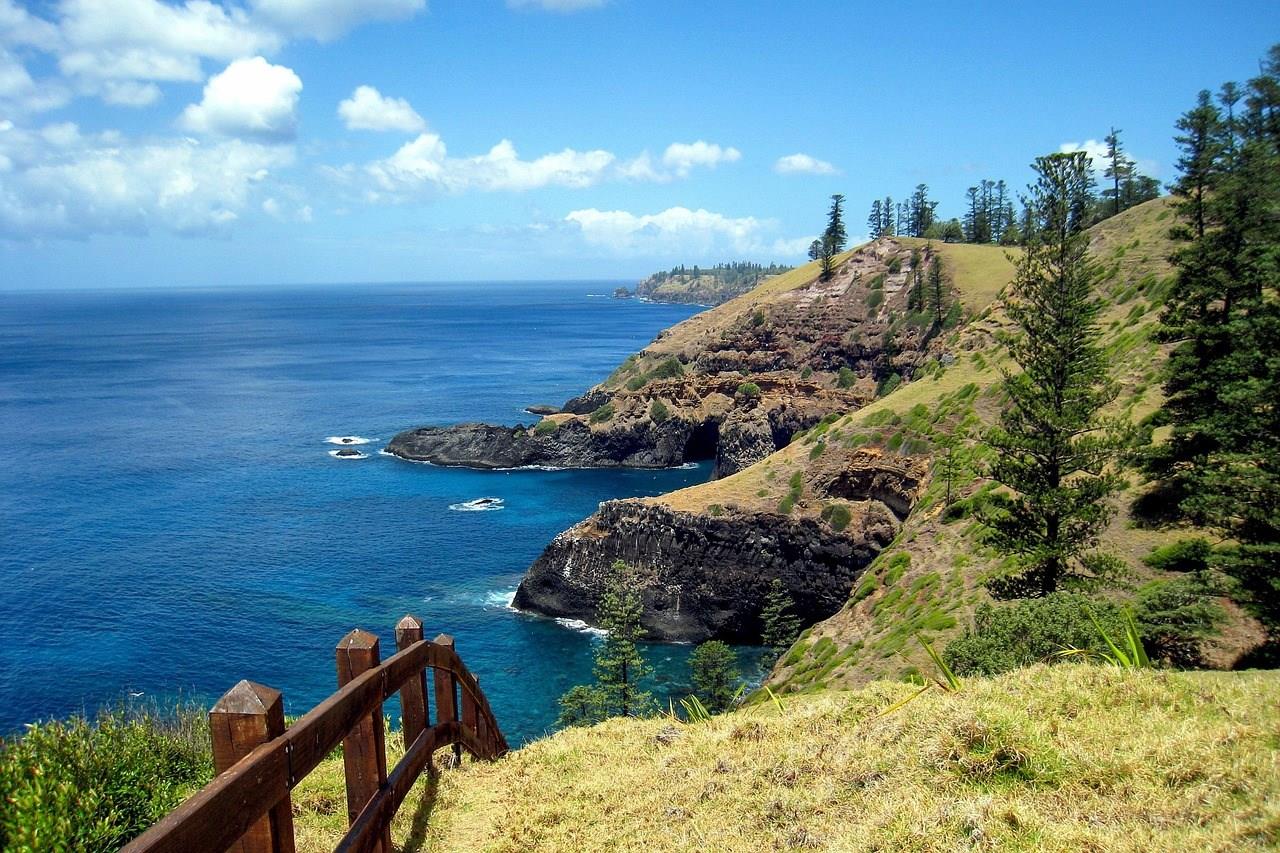
Norfolk Island
Norfolk Island may be small but it carries a story that spans centuries. Located in the South Pacific between Australia, New Zealand, and New Caledonia, the island is a fascinating blend of Polynesian roots, British convict history, and Pitcairn Island culture. Today, visitors can walk through one of the best-preserved penal settlements in the world at Kingston, where stone ruins and restored Georgian buildings stand against a backdrop of green hills and the open sea.

Antarctica
No place on Earth quite compares to Antarctica, this stunning and vast continent is cold and windy, containing 90% of the ice in the world. Those who brave a visit here are rewarded with beautiful glaciers that must be seen to be believed, and a vast array of wildlife such as whales, penguins, Arctic foxes and seals.
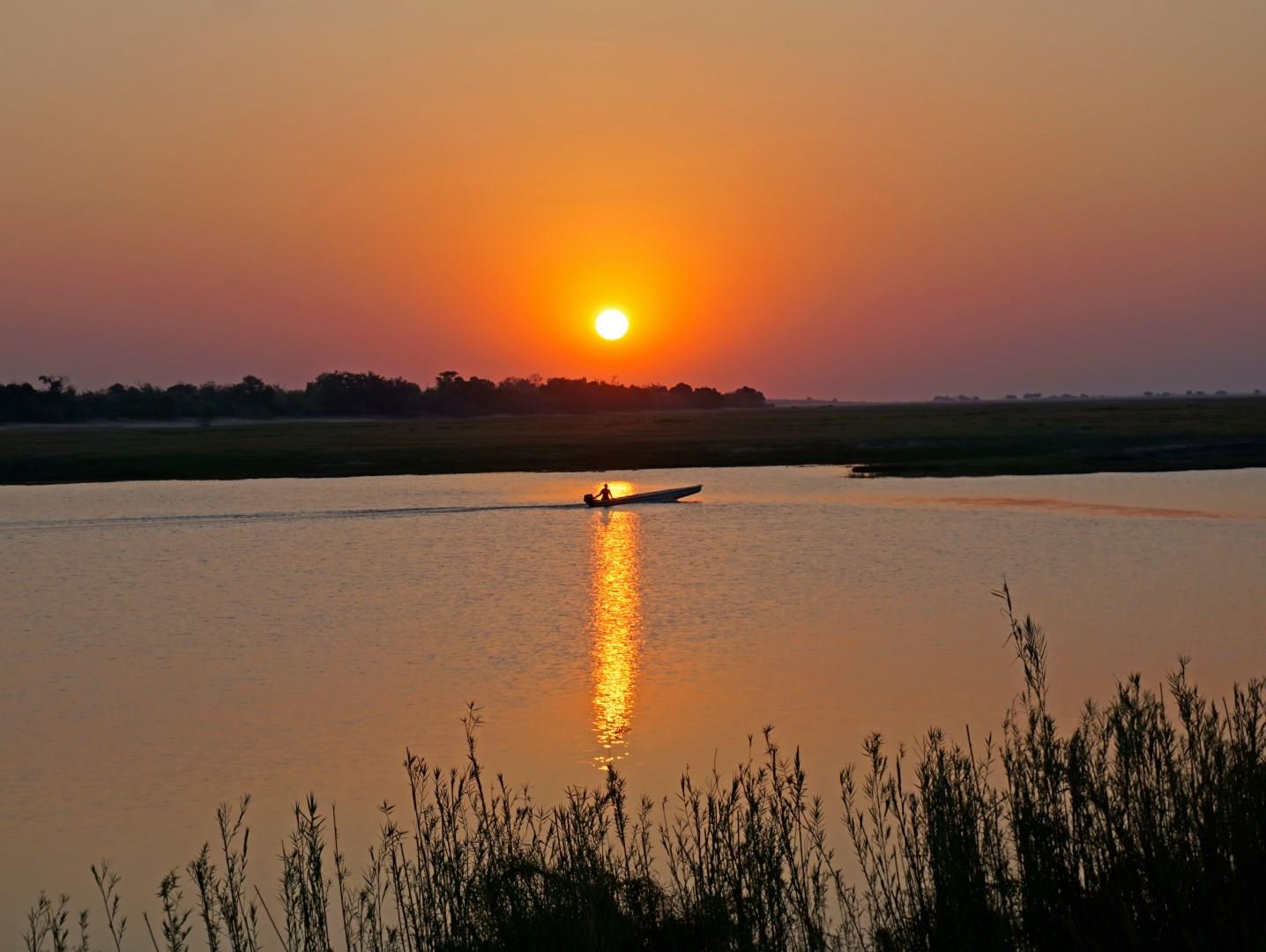
Chobe River
The Chobe River forms the northern boundary of the Chobe National Park. Animal lovers and safari enthusiasts know it as the place where the elephants congregate during winter's dry season and migrant birds are in full color during the wet summer months. The river itself is actually a section of the Cuando River, known as the Chobe from the seasonal lake Liambesi to its outflow at the Zambezi River.

Belize City
A frequent stop for Caribbean cruises, this Central American destination will delight you with local flea markets, museums, and delicious eats.
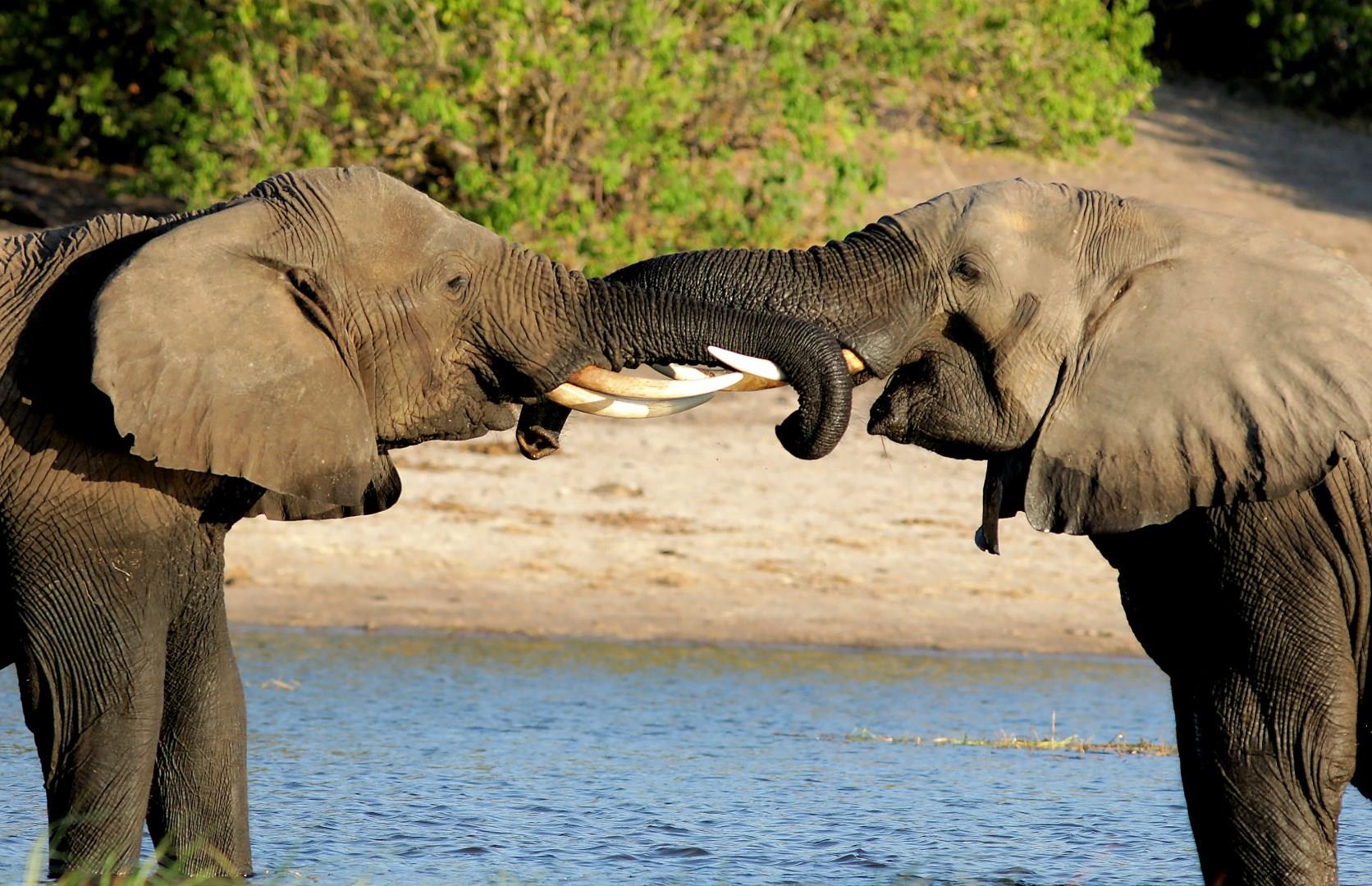
Kasane
Kasane sits at Botswana’s northeastern edge, where the Chobe River meets the borders of Namibia, Zambia, and Zimbabwe. Its development is closely tied to river transport, regional trade, and wildlife management.
