

Alyeska
A true destination, Alyeska is Alaska's biggest ski area. At the summit sits Mt. Alyeska Roundhouse, the state's only mountaintop museum.
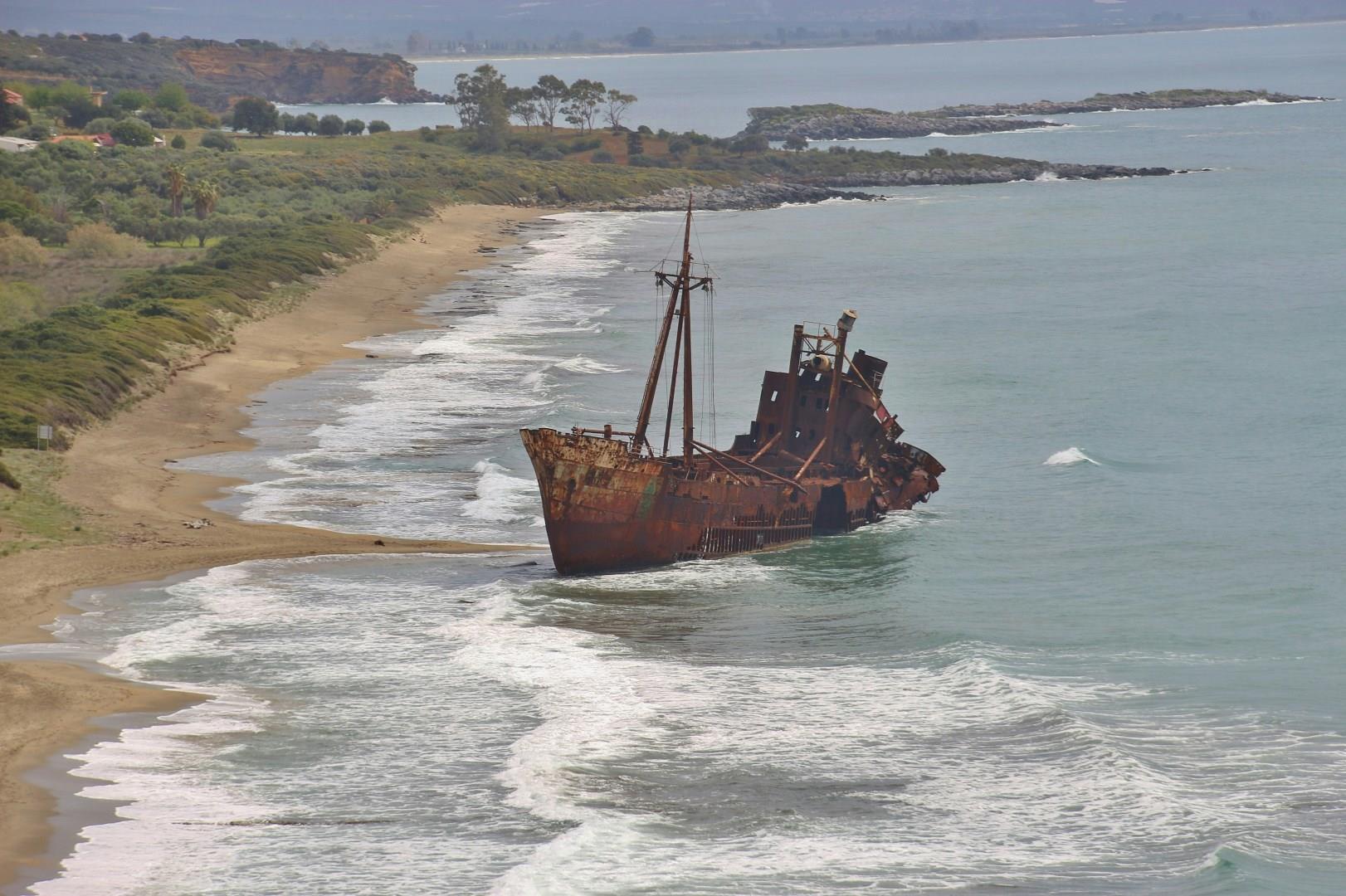
Gythion
Greece’s southern coastline is home to Gythion, a historic port town nestled in the Peloponnese region. Once the naval base of ancient Sparta, Gythion has played a key role in maritime history for centuries. Today, its harbor is lined with colorful neoclassical buildings and fishing boats, creating a picture of daily life that remains connected to its seafaring roots. Just offshore lies Cranae Island, linked to the mainland by a stone causeway.
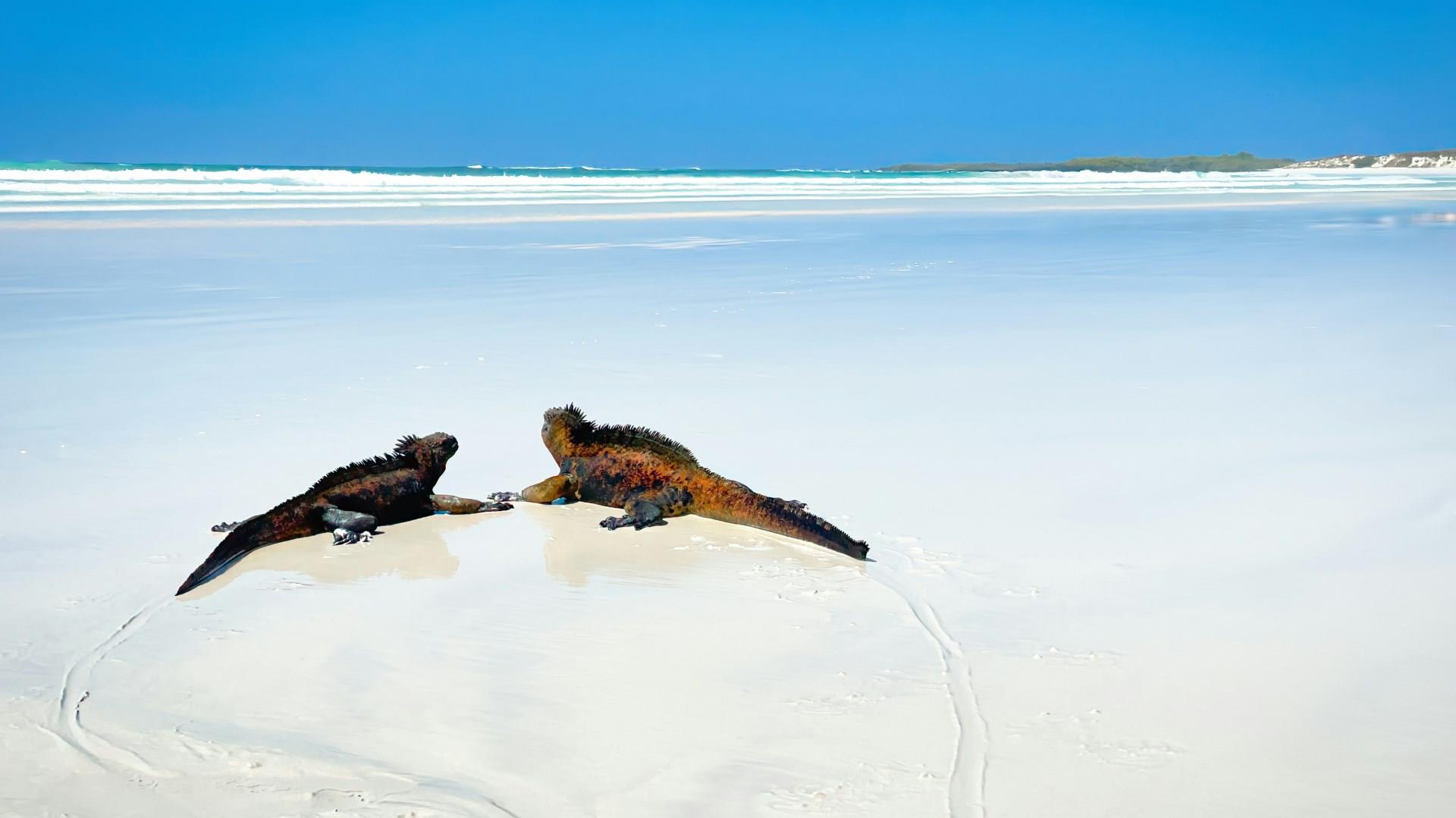
Santa Cruz Island
Santa Cruz Island is the beating heart of the Galápagos and is home to the largest town in the archipelago, Puerto Ayora, and a key access point for travelers exploring this unique region. But beyond its small port and shops, the island reveals a surprising range of ecosystems, from black lava shores to lush highlands where giant tortoises roam freely.
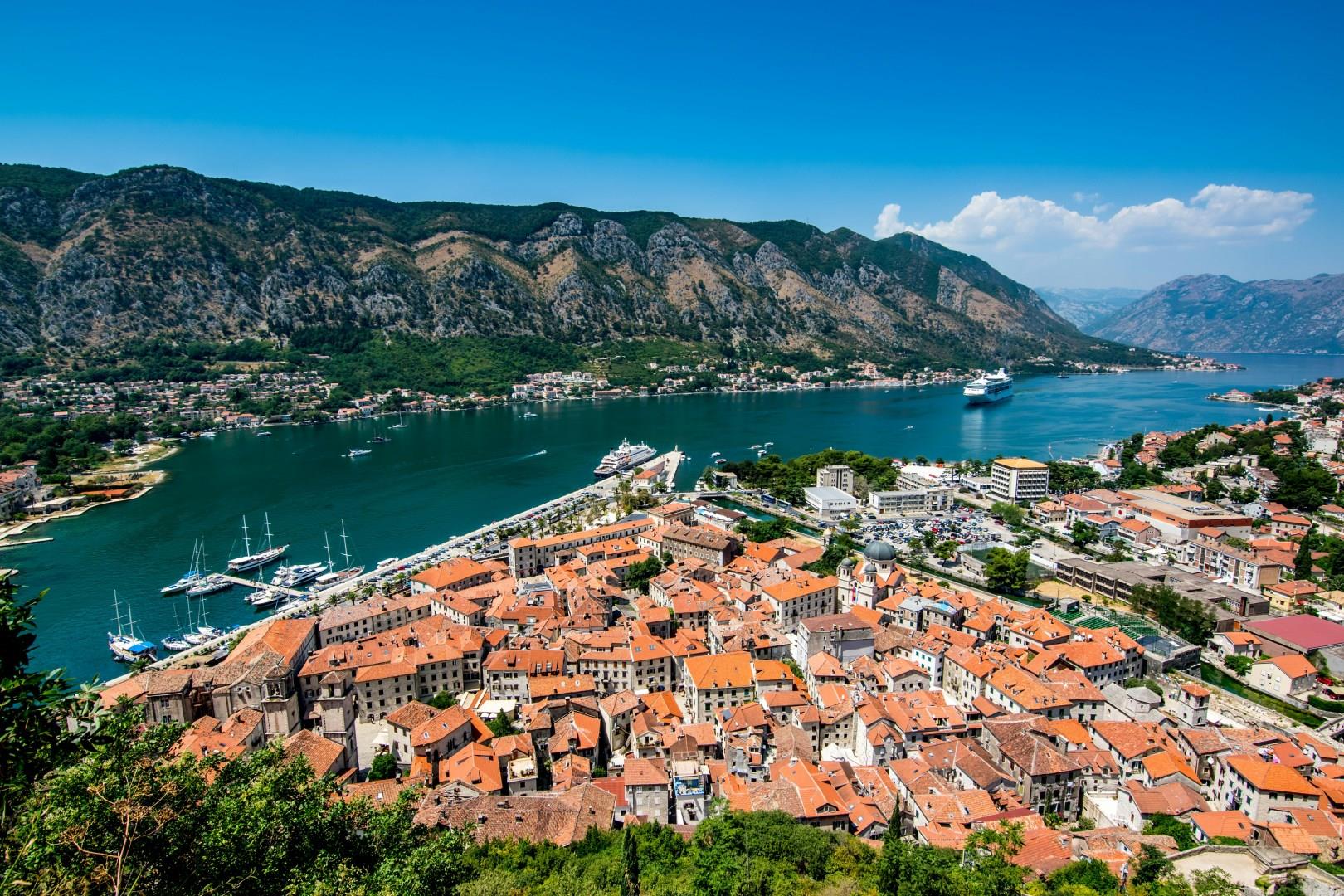
Montenegro
Montenegro, set along the Adriatic Sea, draws travelers with its dramatic landscapes and layered history. The Bay of Kotor, often mistaken for a fjord, is actually a submerged river canyon surrounded by steep cliffs and medieval towns. Kotor itself, a UNESCO World Heritage site, is enclosed by ancient fortifications that visitors can climb for panoramic views stretching from terracotta rooftops to the sea.
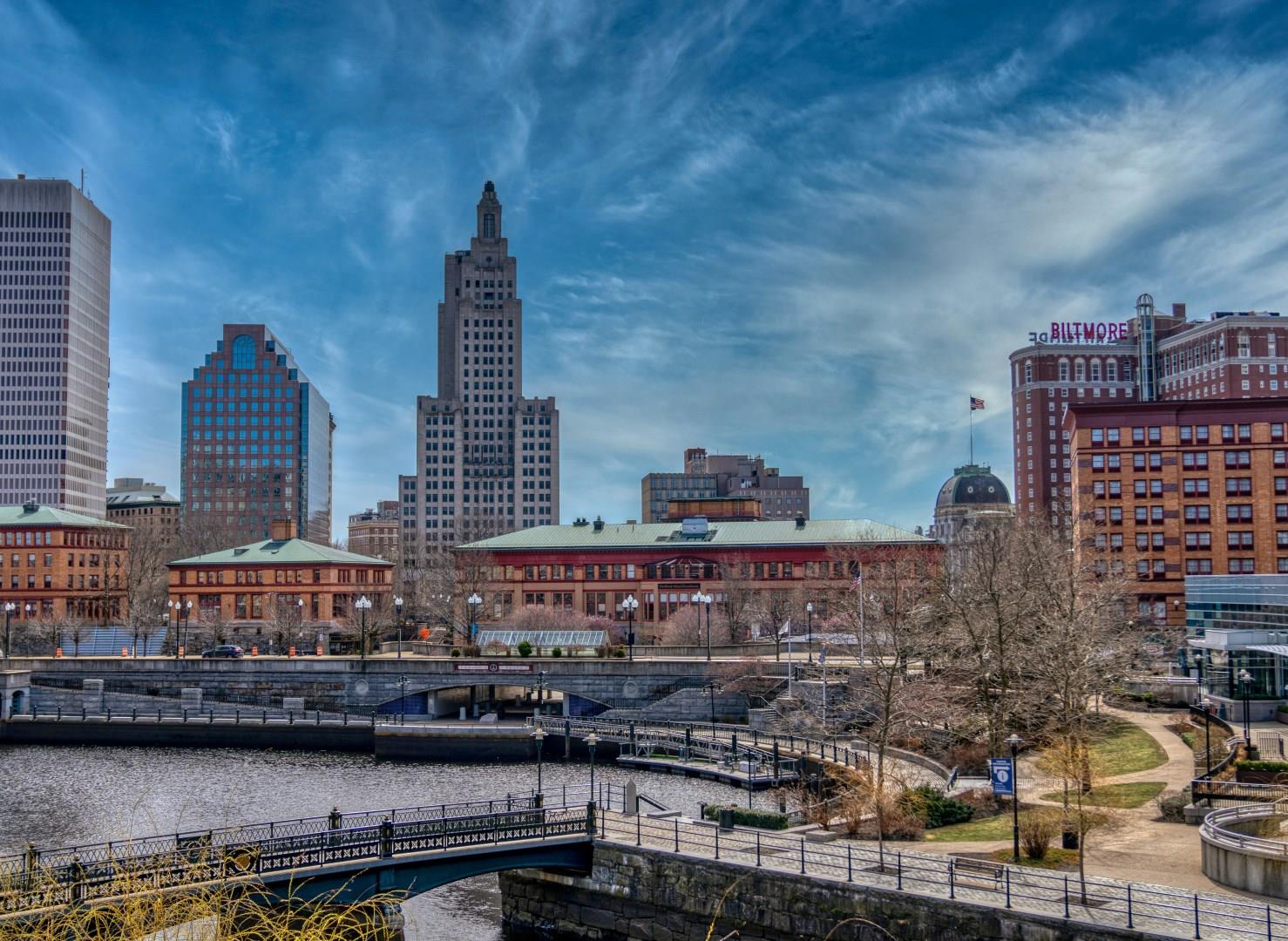
Providence
Providence, Rhode Island blends deep colonial roots with a strong creative pulse. Founded in 1636 by Roger Williams, the city became known for its dedication to religious freedom and independent thought. Walking along Benefit Street, visitors pass rows of 18th- and 19th-century homes, many of which are impeccably preserved and marked with historical plaques. The Rhode Island State House, with one of the world’s largest self-supported marble domes, towers over the downtown area and offers public
