
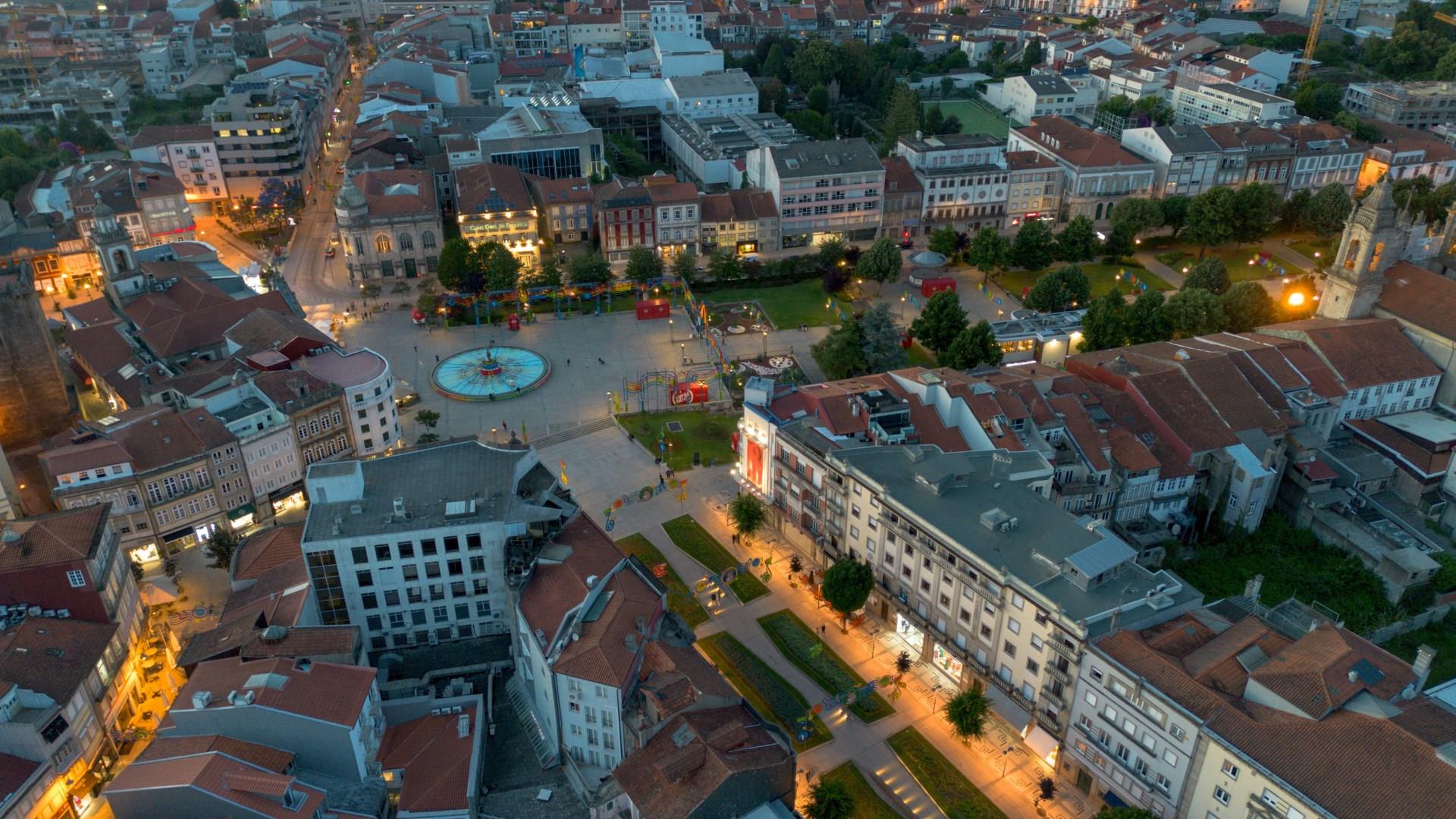
Braga
Braga, one of Portugal’s oldest and most vibrant cities, blends deep religious heritage with a youthful, energetic spirit. Founded over two millennia ago by the Romans as Bracara Augusta, the city has long been a center of faith and culture, earning it the nickname “the Rome of Portugal.”
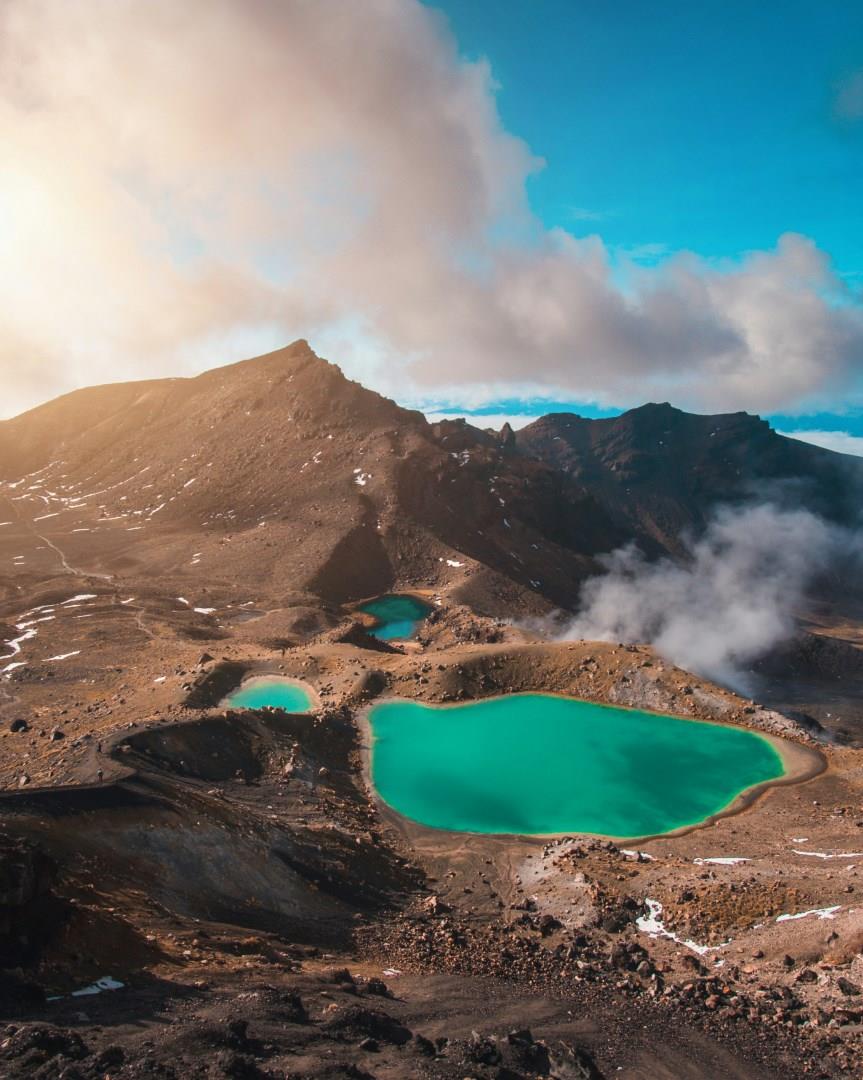
Tongariro National Park
Tongariro National Park, on New Zealand’s North Island, holds deep cultural meaning as well as striking geological presence.
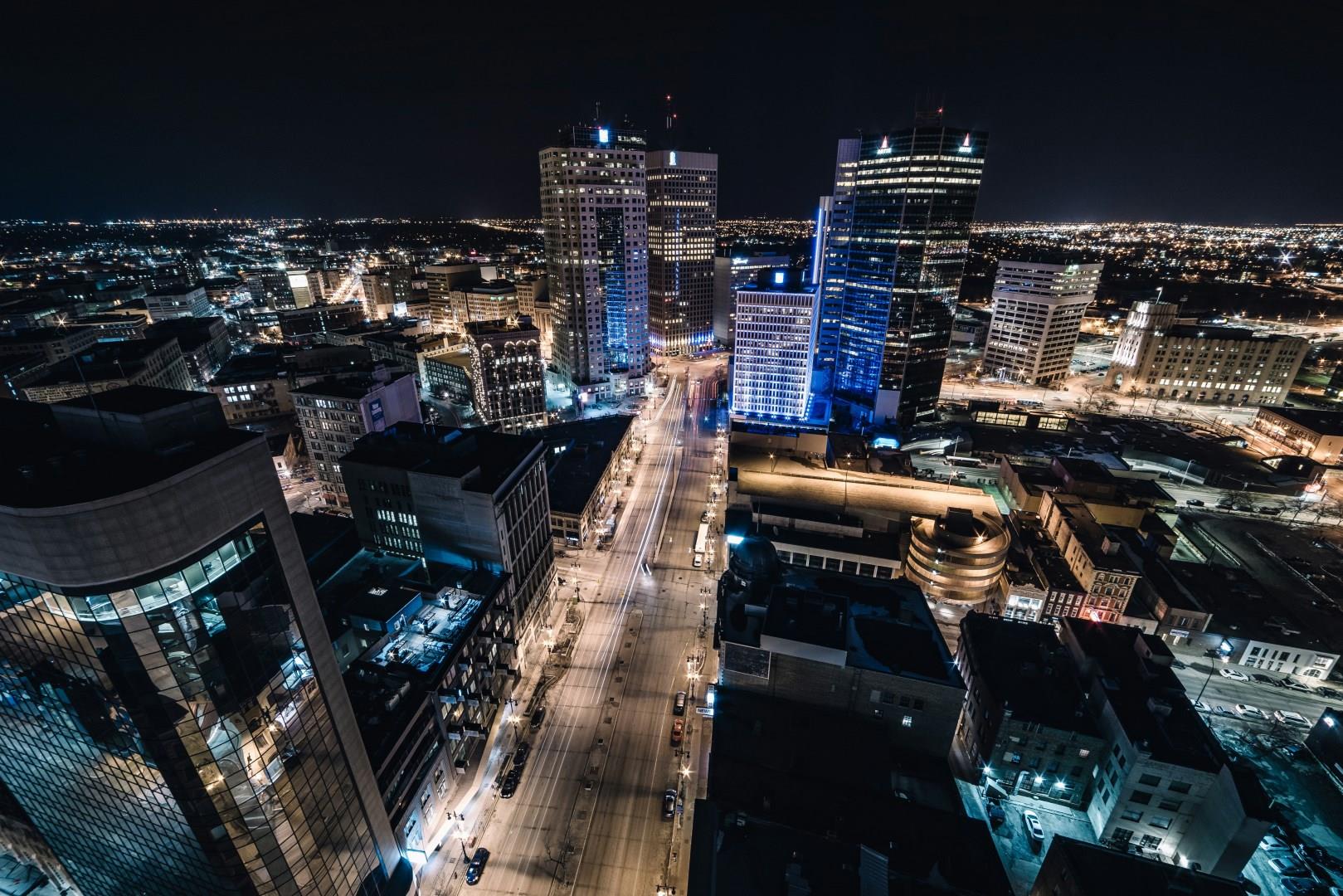
Winnipeg
Winnipeg sits at the meeting point of the Red and Assiniboine rivers, a location that has shaped its role as a gathering place for thousands of years. Long before it became a modern city, the area was central to Indigenous trade networks, a legacy that remains visible today through institutions like The Forks and the Canadian Museum for Human Rights.

Lyon
The metropolitan center of southeastern France, vibrant Lyon abounds with stunning architectural masterpieces, gastronomic delights, and immersive museums. This spectacular city, founded by the Romans centuries ago, rivals Paris as a cultural and social hub for exploring the best that France has to offer.
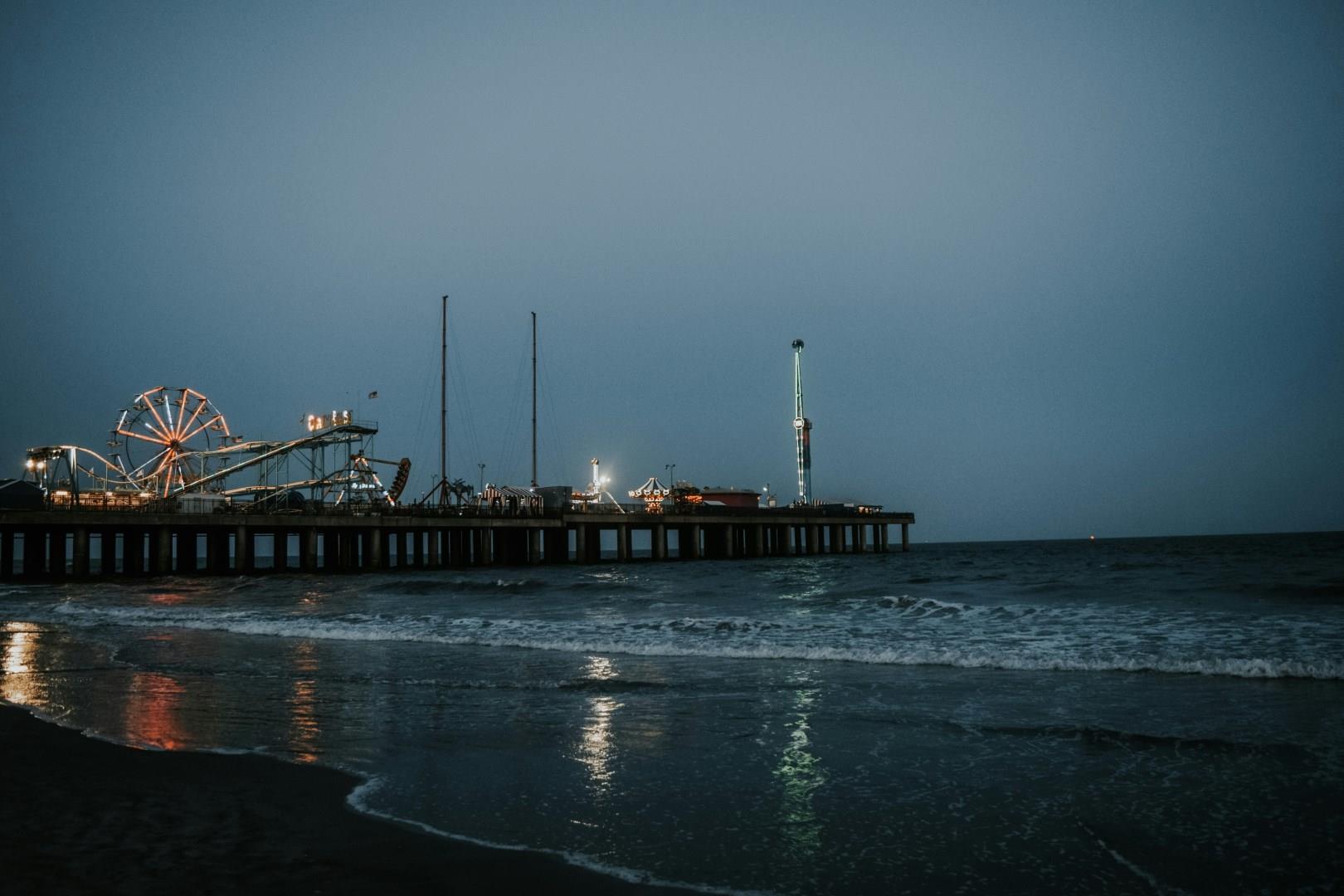
Atlantic City
Atlantic City, New Jersey is more than bright casinos and lively boardwalk, it’s a coastal city with stories stretching back over 150 years. Once a fashionable 19th-century resort town, Atlantic City introduced the first boardwalk in the United States in 1870. Today, it remains the city’s centerpiece, stretching over 5 miles along the beach, lined with shops, arcades, and a mix of vintage charm and modern attractions.
