
Antigua
Antigua is a city shaped by centuries of artistry, tradition, and natural forces. Set in a highland valley and surrounded by volcanoes, its streets are lined with colorful buildings, hidden courtyards, and open-air plazas. The Santa Catalina Arch is one of Antigua’s most recognizable features, originally built as a passage between two sections of a convent. Today, it frames a dramatic view of Volcán de Agua and is a popular gathering spot for both locals and visitors.

Sete
Sète is a lovely port city in southern France, often called the "Venice of Languedoc" because of its many canals. The old port area is full of history and charm, making it a great place to explore. Visitors can stroll along the canals while observing the daily activities of fishermen and admire the array of boats moored along the quays.

Yukon
Whitehorse is the territorial capital of this Canadian site of the 1898 gold rush. It consists mostly of rural towns, where the main industries are mining and tourism. It is a land of forests, rivers and tall mountain ranges covering a total of 207,075 sq. miles.

Chichicastenango
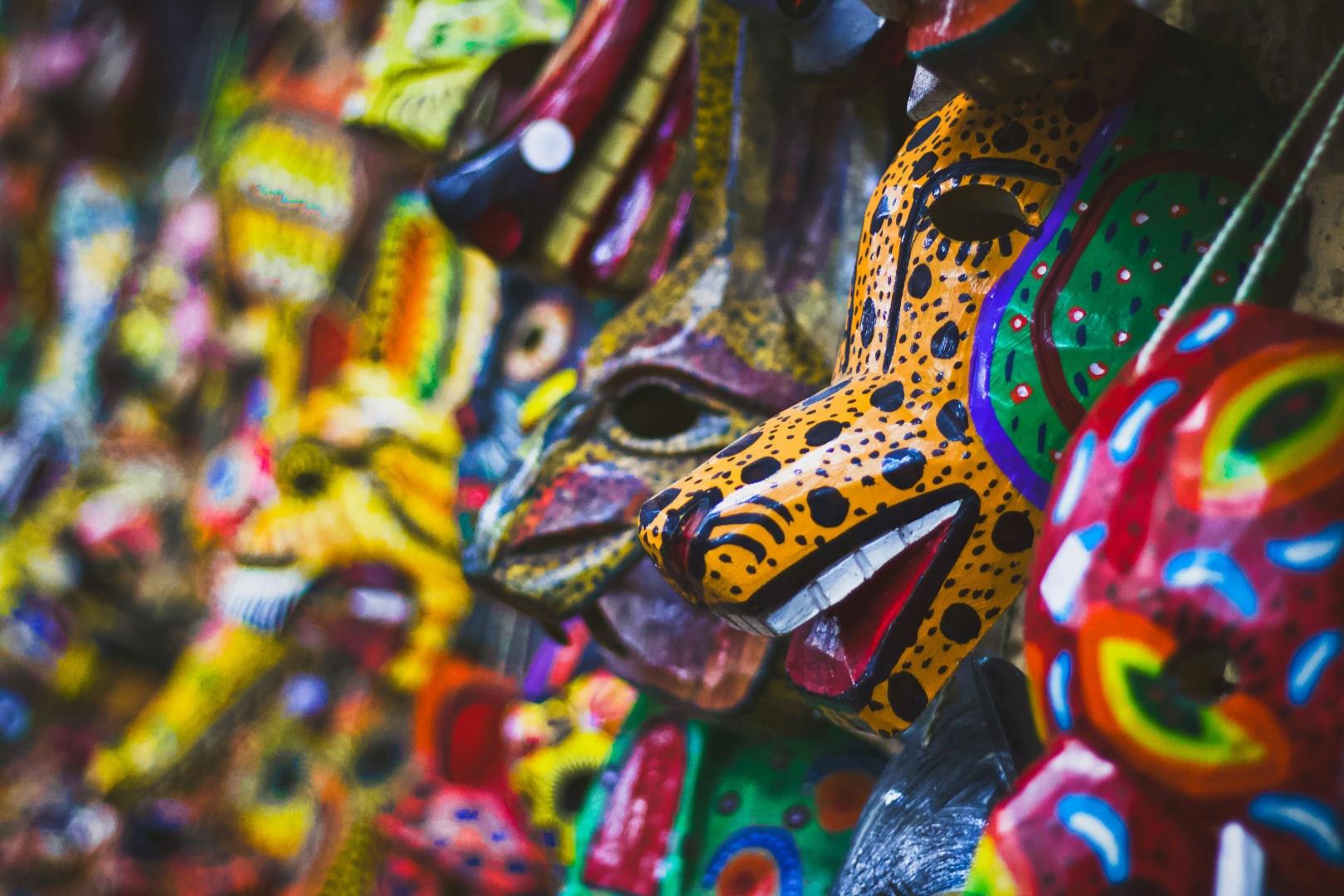
Chichicastenango, often simply called "Chichi," is a vibrant town in the highlands of Guatemala that offers an unparalleled cultural experience. Known for its lively indigenous market, which takes place every Thursday and Sunday, this bustling bazaar is one of the most famous in Central America. Here, visitors can immerse themselves in the rich tapestry of Mayan culture while browsing colorful textiles, handcrafted masks, and traditional pottery.

Cusco
Cusco once served as the heart of the Inca Empire, and that legacy still shapes every corner of the city even as it serves as a gateway to Machu Picchu. Outside the historic center, the ruins of Sacsayhuamán overlook the city from a nearby hilltop. This ceremonial complex is best known for its massive zigzag stone walls, some weighing over 100 tons. During the Inti Raymi festival in June, thousands gather here to reenact ancient Andean rituals.
