

Swakopmund
Swakopmund, on Namibia’s Atlantic coast, is a town where desert meets ocean in striking contrast. Founded by German colonists in the late 19th century, its streets are lined with colonial-era buildings painted in pastel colors, giving the town a distinctly European feel.

Greenland
Greenland, the world’s largest island, offers travelers an experience that feels like stepping onto another planet. Vast ice sheets, towering glaciers, and deep fjords stretch across the horizon, creating a landscape that constantly shifts with the light. During summer, the Midnight Sun casts a golden glow well past midnight, while winter brings months of darkness lit by vibrant displays of the Northern Lights.

Berlin
Berlin has an undeniable history. The horrors of World War II, division, reunification, revolution all profoundly impacted the city in the 20th century. Today, visitors will find a sophisticated, high-energy city with endless cultural, architectural and gastronomic attractions.
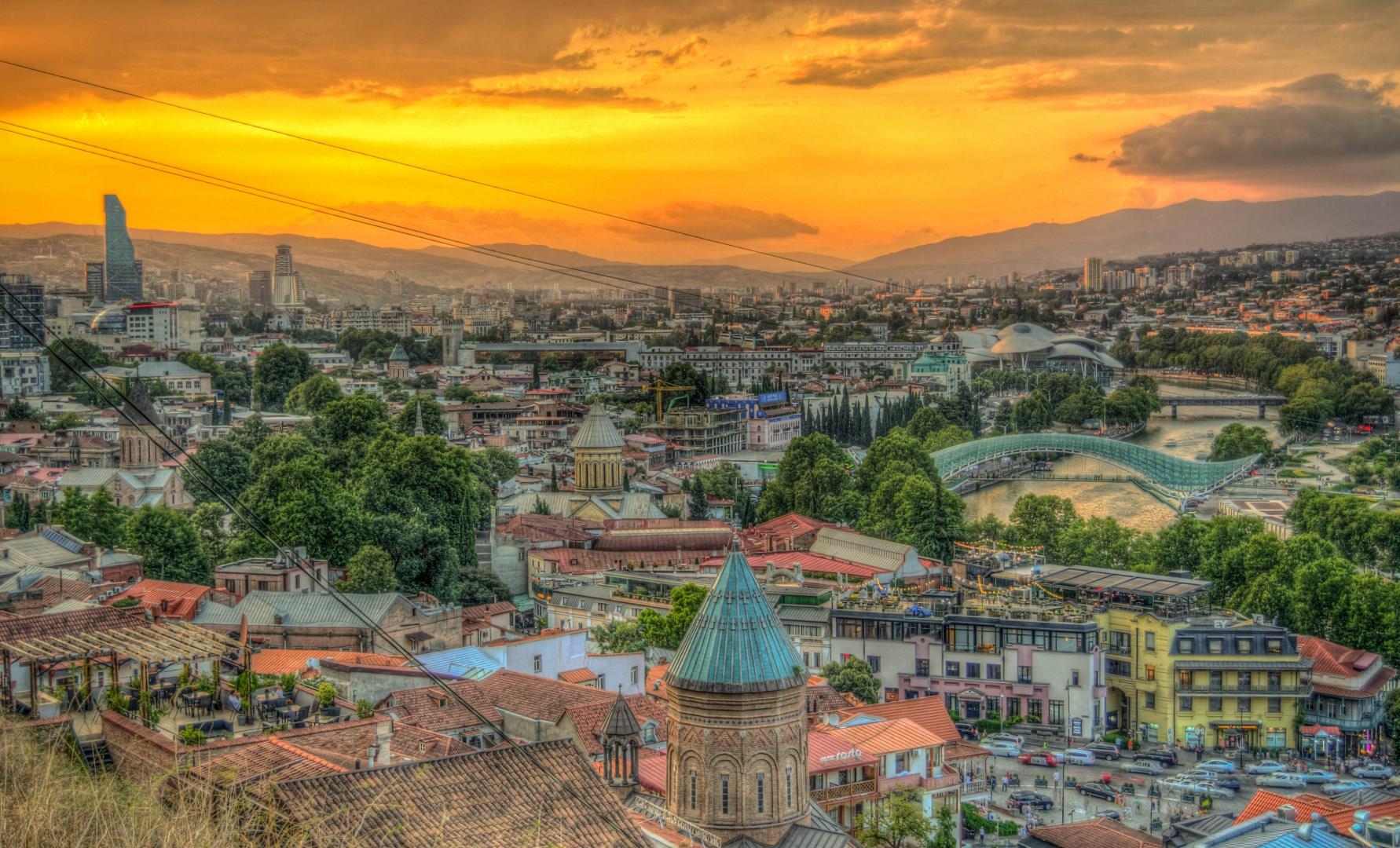
Tbilisi
Tbilisi, the capital of Georgia, is a city where tradition and modern life blend seamlessly. Set along the banks of the Kura River and surrounded by hills, its layout reflects centuries of change and cultural exchange. The Old Town, with its cobbled lanes and wooden balconies, is a living museum of architecture, showcasing influences from Persian, Ottoman, and Russian eras. Above it all, the Narikala Fortress stands watch, offering sweeping views of the city below.
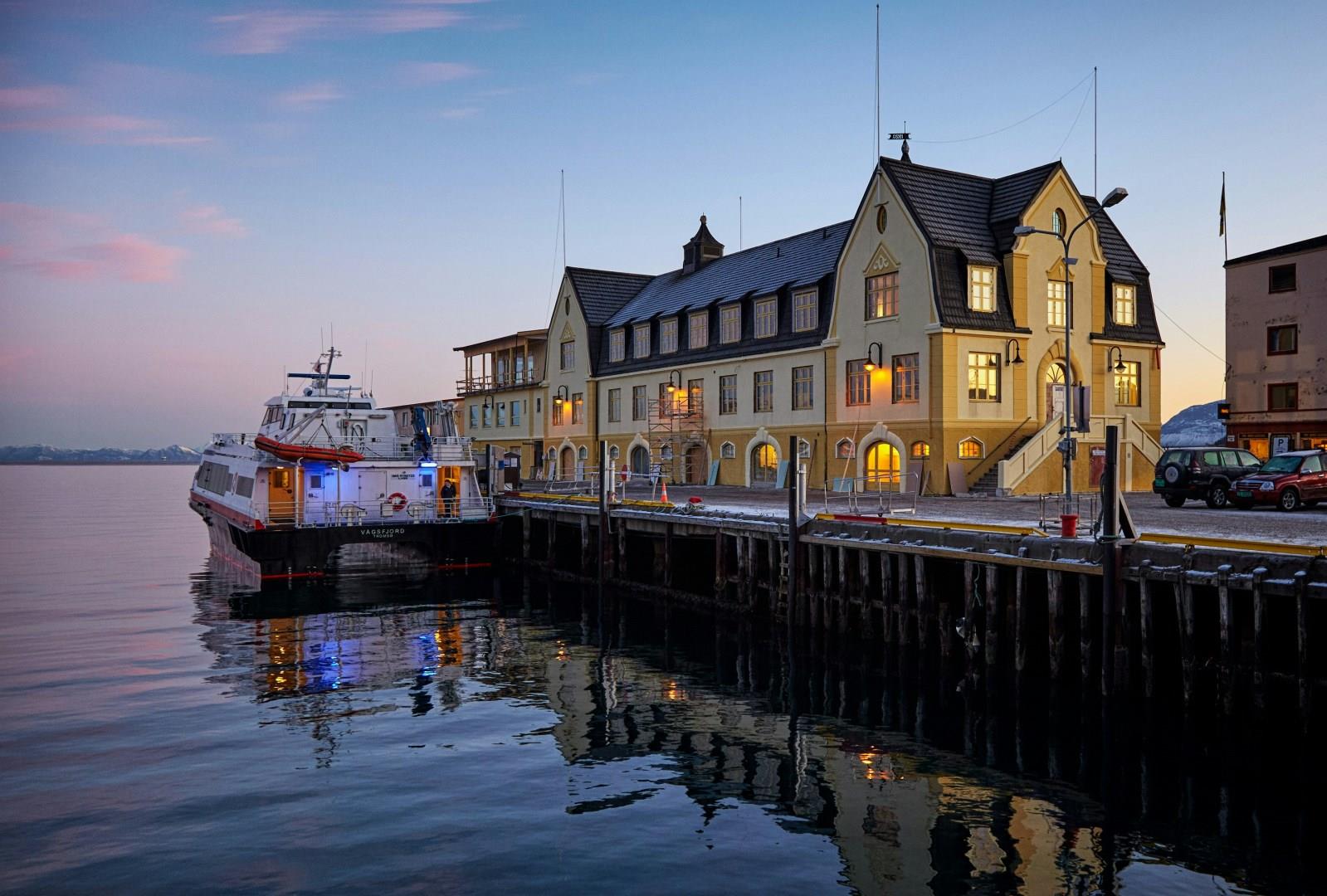
Harstad
Harstad is a coastal town in northern Norway, located on Hinnøya, the country’s largest island, and overlooking the strategic waters of Vågsfjorden. Its history spans from Viking settlements to modern fishing and shipping, giving the town a blend of maritime heritage and regional importance.
