

St. Thomas
St. Thomas, the gateway to the U.S. Virgin Islands, is a vibrant mix of history, culture, and Caribbean charm. Its capital, Charlotte Amalie, features a waterfront lined with pastel-colored colonial buildings, narrow cobblestone streets, and historic forts such as Fort Christian, which offer glimpses into the island’s Danish colonial past.
Mijas
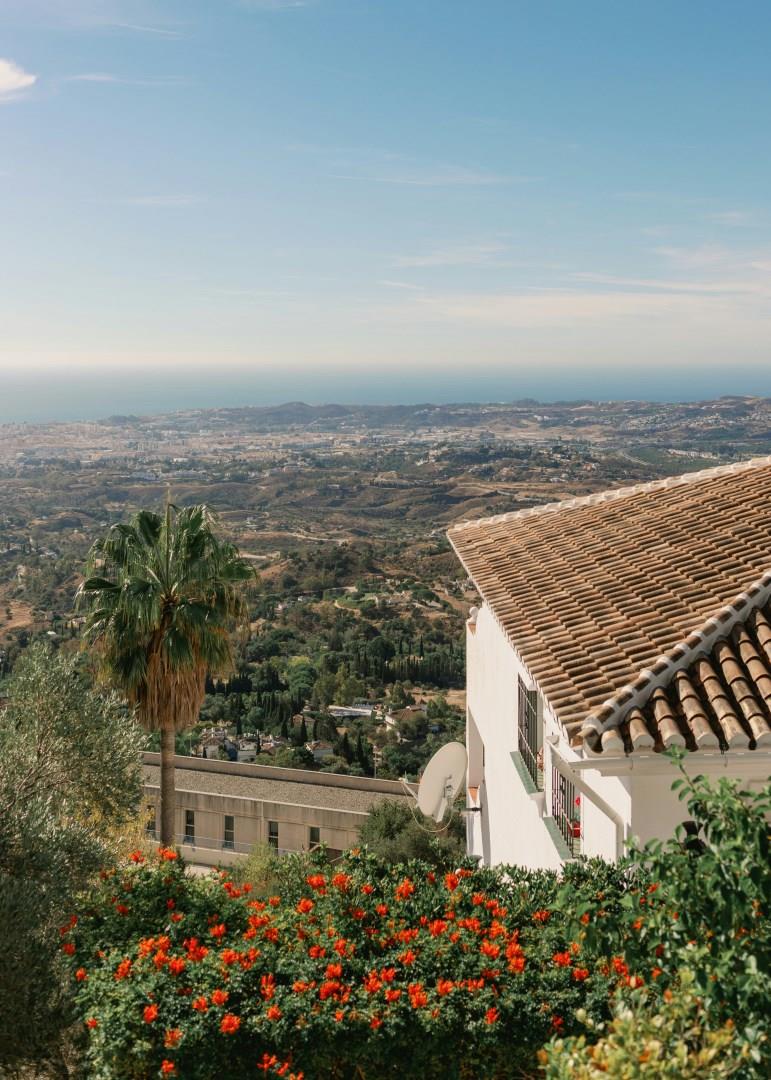
Mijas, perched on the hillside above the Costa del Sol, blends centuries of Andalusian tradition with views that stretch across the Mediterranean. The whitewashed buildings of Mijas Pueblo reflect sunlight from narrow cobbled streets that wind through small plazas, each with its own fountain, chapel, or overlook. The town’s layout still follows Moorish-era planning, and remnants of the old wall (La Muralla) offer shaded walks lined with native plants and panoramic views over the coast.
Tambopata
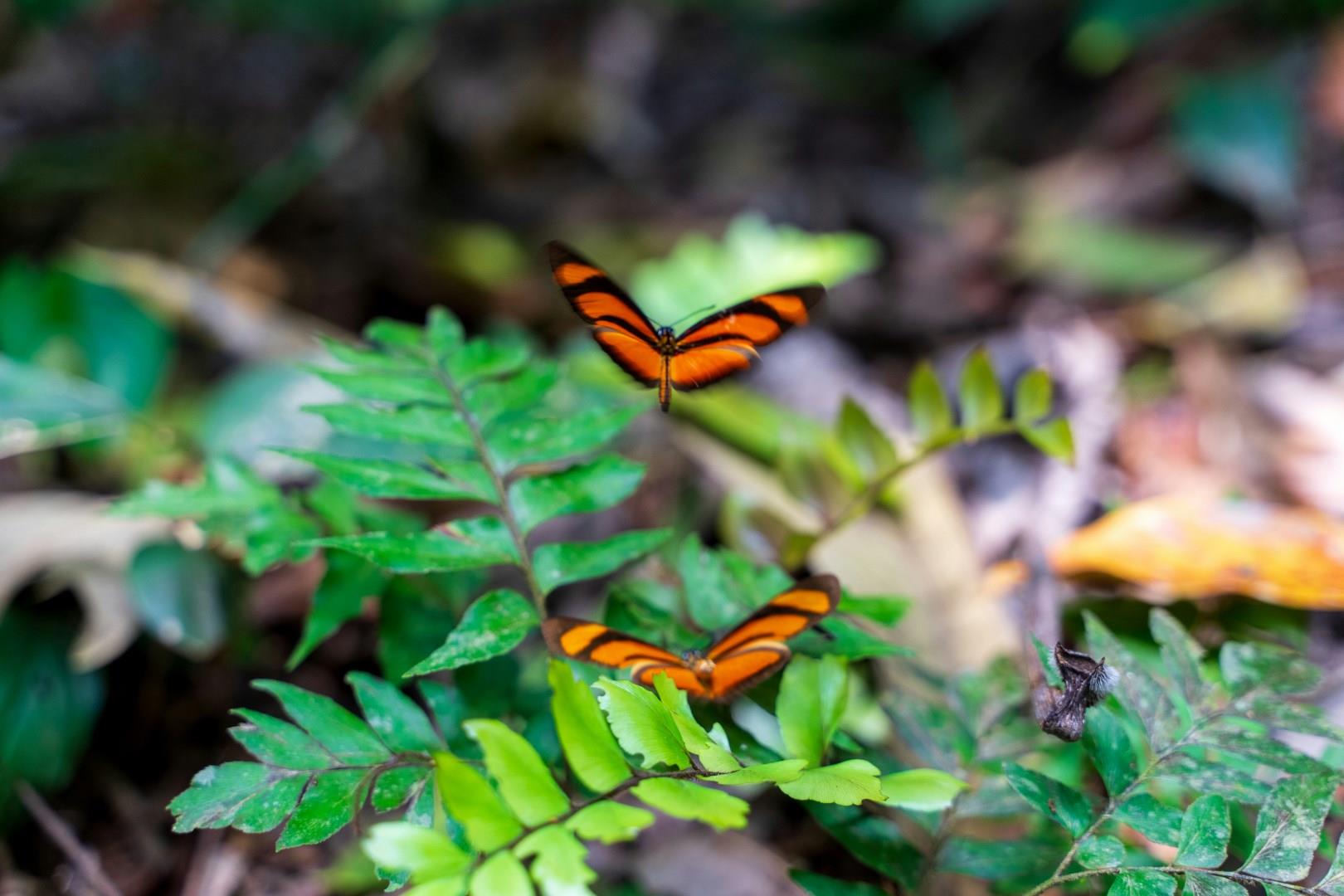
Located in the Madre de Dios region of southeastern Peru, Tambopata is a protected area where visitors can experience the Amazon rainforest in its rawest form. The Tambopata National Reserve spans over 270,000 hectares and is home to an estimated 1,200 butterfly species, 600 bird species, and hundreds of tree varieties. One of its most famous residents is the jaguar, though sightings are rare. More common encounters include red howler monkeys, capybaras, and giant river otters.
Cruz Bay
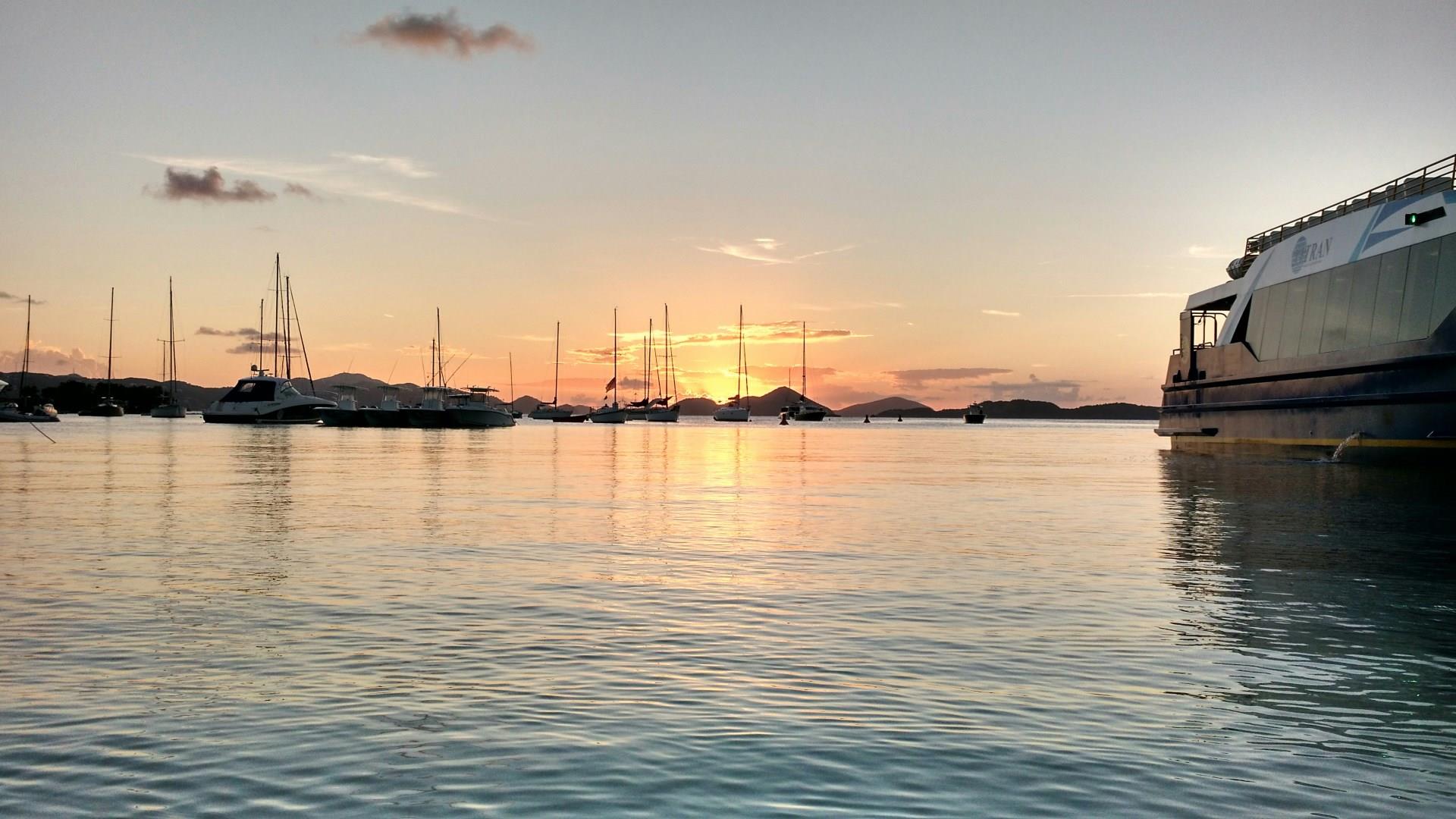
Cruz Bay is the welcoming gateway to St. John in the U.S. Virgin Islands, where vibrant Caribbean life meets rich island history. Stepping off the ferry from nearby St. Thomas, visitors find themselves in a lively waterfront town filled with cafés, bars and boutiques that lead toward sandy streets and shimmering views of the bay. This small town is also home to the Cruz Bay Visitor Center, a helpful place to start planning outings into Virgin Islands National Park and to learn about the island.

New Caledonia
New Caledonia is an archipelago located in the south western part of the Pacific Ocean, and belongs to what is known as Melanesia. The mainland known as the "Grande Terre" is the principal island of New Caledonia and covers an area of 400 kms north to south and 50 kms west to east, with a total surface of 19 000 square meters. It is the third largest island in the South Pacific after New Guinea and New Zealand.
